

It’s been three weeks since the U.S. Navy pulled a “steel curtain” across Iranian ports, and the cracks in Tehran are starting to show.
In a move that reeks of economic desperation, Iran has reportedly sent a message through Pakistani mediators: We’ll open the Strait of Hormuz if you stop talking about our nukes.
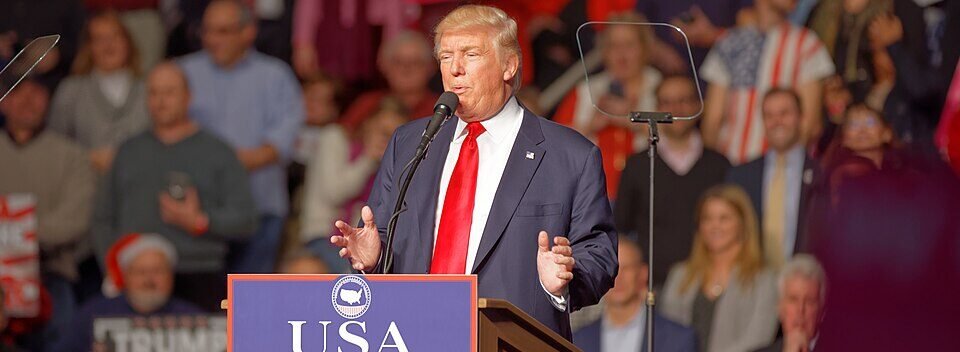
On paper, it sounds like a classic diplomatic “win-win.” In reality? It’s a non-starter. President Trump’s response was essentially a shrug and a reminder that he holds the high ground. “We have all the cards,” he told reporters, pointing out that if Iran wants to talk, they know where to find the phone.
The $1 Billion U-Turn
The U.S. Central Command isn’t just playing defense; they are playing a very expensive game of “Return to Sender.”
Since the blockade began, the Navy has redirected 38 ships—carrying an estimated $1 billion in crude oil—right back to Iranian docks. For a country whose economy is essentially a giant oil pump, this is a nightmare scenario. Iran is literally running out of places to put the “black gold” they can’t sell.
Why “Just Opening the Strait” Isn’t Enough
The Iranian proposal seeks to decouple the shipping crisis from the nuclear crisis. It’s a clever bit of footwork, but the Trump administration isn’t dancing.
Secretary of State Marco Rubio and the National Security team are staying firm on the “Red Lines.” To them, opening the Strait of Hormuz without dismantling the nuclear program is like fixing a broken window while the house is still on fire.
The military reality on the ground (and in the air) backs them up:
- Drone/Missile Capacity: Reportedly gutted by 80-95%.
- Military Presence: The U.S. has doubled its power in the region since the conflict began.
- The Israeli Factor: Jerusalem has reportedly refilled its “magazine depth” to 100%, standing ready as a massive deterrent.
The “Mechanical Explosion” Risk
Perhaps the most fascinating—and slightly terrifying—part of this standoff is the geological pressure. President Trump alluded to a ticking clock in the oil fields. When you stop pumping oil because the tanks are full, the pressure in the earth and the pipes builds up.
“Something happens where it just explodes,” Trump noted, suggesting Iran might only have days before their own infrastructure begins to fail from the inside out.
Will We See Boots on the Ground?
Despite the tension, the consensus among military experts like Lt. Col. Gobb is a resounding “No.” The strategy here isn’t to invade; it’s to insulate. By keeping the naval blockade tight, the U.S. is effectively starving the “terror enterprise” of its oxygen—money. If the nuclear facilities try to stir back to life, the plan is simple: bomb them back into the sand, but keep American boots off the soil.
Tehran is trying to trade a shipping lane for a nuclear pass. But with 38 ships turned around and an economy on the brink of a “mechanical explosion,” the U.S. sees no reason to settle for half a deal.
The ball isn’t just in Iran’s court—the ball is the only thing they have left to play with.
About Republican Column: At Republican Column, we bring you breaking U.S. news, politics, and global developments every day to keep you informed.