

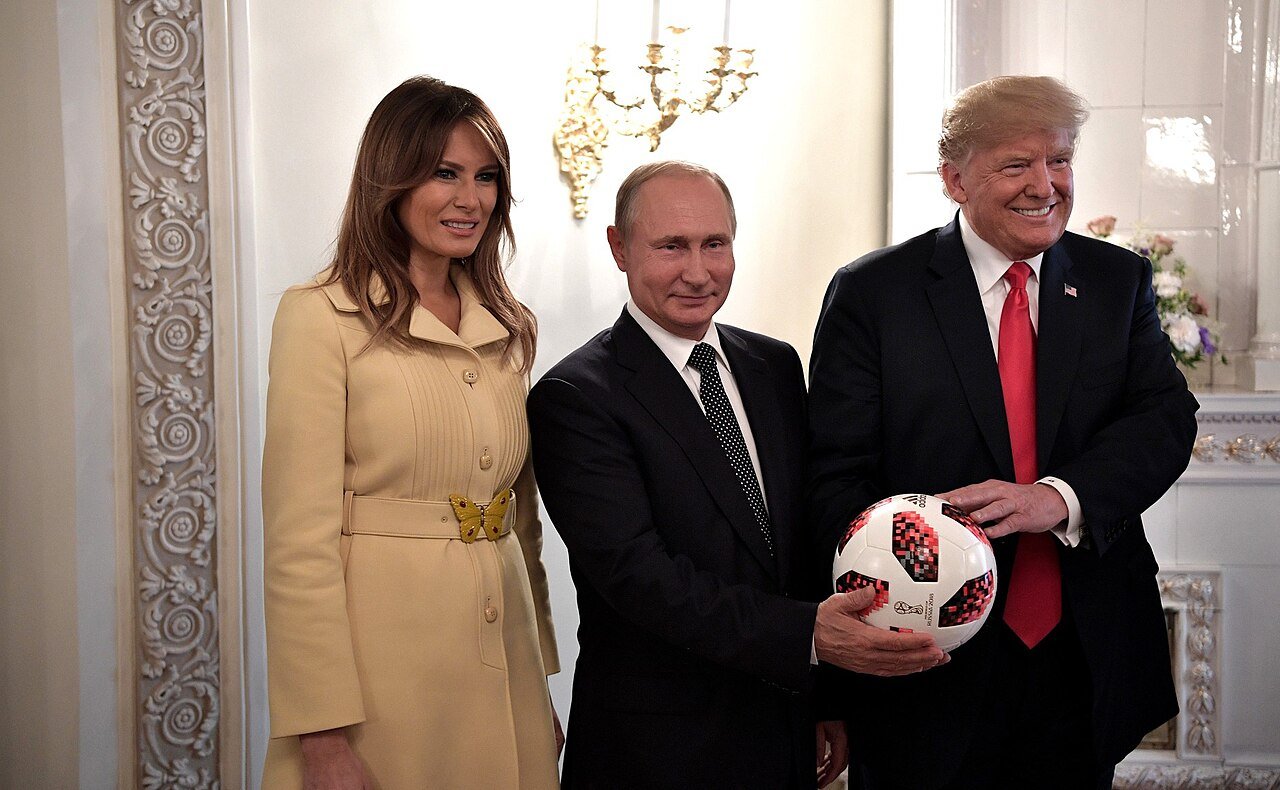
Global sport often claims neutrality in politics. But history repeatedly shows that when geopolitical conflicts erupt, sporting bodies rarely stay on the sidelines. Their responses, however, are not always consistent.
Recent developments highlight how money, political influence, and global power dynamics shape the reaction of international sports organizations.
A Tale of Two Wars
Consider two major conflicts separated by four years.
In February 2022, Russian invasion of Ukraine began shortly after the Beijing Winter Olympics concluded. Within days, international sports organizations reacted swiftly. Russian teams were banned from major competitions, events were relocated, and athletes from Russia were excluded from several global tournaments.
Now fast-forward to 2026, when the United States and Israel launched attacks on targets in Iran during an escalating Middle East conflict. The timeline again coincides with major sporting events and international competitions.
But this time, the reaction from the sporting world has been markedly different. Instead of immediate bans or sanctions, most organizations have adopted a “monitoring the situation” approach, avoiding strong punitive measures.
The contrast has sparked debate over whether sports governance follows consistent ethical principles — or geopolitical realities.
The Speed of Sanctions in 2022
When Russia invaded Ukraine, global sports authorities moved with unprecedented speed.
Major governing bodies imposed sanctions that included:
- Banning Russian teams from international competitions
- Canceling or relocating events scheduled in Russia
- Restricting Russian athletes’ participation under their national flag
Within days, Russia was effectively isolated from much of the international sporting ecosystem.
The message from the sports world appeared clear: aggression by a nation would have consequences in sport as well as politics.
A Different Approach in 2026
The current Middle East conflict presents a strikingly similar timeline but a different response.
Despite escalating tensions and military strikes involving major powers, sports governing bodies have largely avoided direct sanctions or bans. Statements from organizations have emphasized monitoring developments rather than imposing immediate restrictions.
The cautious response highlights a reality often ignored in discussions about sports and politics: not all nations carry the same influence within global sports structures.
The Power Factor
Why the difference?
One explanation lies in economic and political influence.
Major sporting organizations rely heavily on:
- Broadcast deals
- Sponsorships
- Government partnerships
- Host-nation investments
Countries with stronger economic and political leverage often play significant roles in these systems. Decisions that could disrupt relationships with powerful governments or markets carry enormous financial risks.
In contrast, isolating countries with less influence in global sports governance can be easier.
Sport’s Claim of Neutrality
International sports federations frequently insist they are politically neutral. However, events like these challenge that claim.
Sport has long been used as a tool of diplomacy, protest, and political messaging—from Olympic boycotts during the Cold War to modern sanctions tied to geopolitical conflicts.
The contrasting responses to different wars suggest that sports neutrality may depend heavily on the balance of global power.
The Larger Question
The debate ultimately raises a fundamental issue:
Should global sports bodies apply consistent principles regardless of which nation is involved, or is it inevitable that politics and economics will shape their decisions?
As global conflicts continue to intersect with major sporting events, the answer may determine how credible sport’s claims of neutrality remain.
Watch
Social Media Reaction
Source
Original reporting and analysis adapted from Indian Express
About Republican Column: At Republican Column, we bring you breaking U.S. news, politics, and global developments every day to keep you informed.