

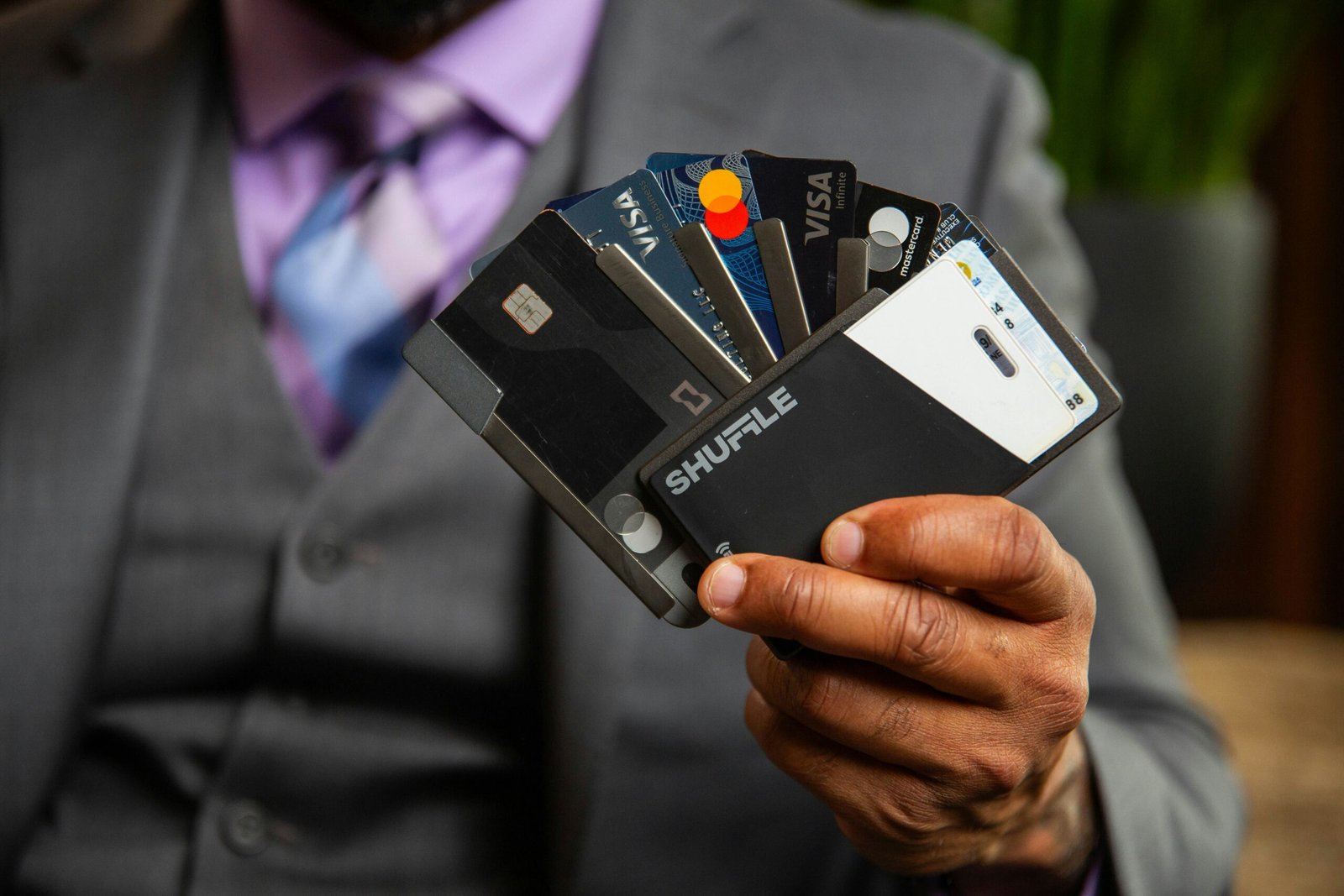
A growing number of Americans are struggling to keep up with their financial obligations, as missed payments on credit cards, auto loans, and other debts rise at an արագ pace. The trend is raising concerns among economists who warn that household financial stress may be building beneath the surface of the broader economy.
Missed payments on credit cards and loans are rising quickly, signaling growing financial pressure across U.S. households.
Story Snapshot
• Missed payments on loans and credit cards are increasing
• Rising interest rates and living costs are major factors
• Lower‑income households are being hit the hardest
• Experts warn the trend could signal deeper economic stress
A Growing Financial Strain
Recent data shows that more Americans are falling behind on payments, particularly on credit cards and auto loans. As borrowing costs have increased, many households are finding it harder to manage monthly bills.
Higher interest rates mean that even small balances can quickly grow, making it more difficult for consumers to catch up once they fall behind. At the same time, everyday expenses like rent, groceries, and utilities continue to put pressure on budgets.
Credit Card Debt on the Rise
Credit card usage has surged as consumers rely more on borrowing to cover daily expenses. However, this has led to higher outstanding balances—and, in many cases, missed payments.
Financial analysts note that delinquency rates are rising fastest among younger borrowers and lower‑income groups, who are often more vulnerable to economic shocks.
At the same time, interest rates on credit cards remain high, making it increasingly difficult for borrowers to pay down their debt.
Auto Loans and Other Debt Pressures
Auto loans are another area of concern. With car prices remaining elevated, many borrowers took on larger loans in recent years. Now, higher monthly payments are becoming harder to manage for some households.
Missed payments in auto loans can have serious consequences, including repossession, which further impacts financial stability.
Other forms of debt, including personal loans and student loans, are also contributing to the broader financial strain.
What This Means for the Economy
While the overall economy may still show signs of resilience, rising delinquency rates can be an early warning sign of trouble. If more consumers fall behind, it could affect spending patterns and slow economic growth.
Experts say the situation will depend on factors such as job stability, wage growth, and interest rate trends in the coming months.
For now, the data suggests that many Americans are feeling increasing financial pressure—and struggling to keep up.
Sources
U.S. consumer debt and delinquency trends
U.S. economy and consumer finance
Household debt and credit report
About Republican Column: At Republican Column, we bring you breaking U.S. news, politics, and global developments every day to keep you informed.