

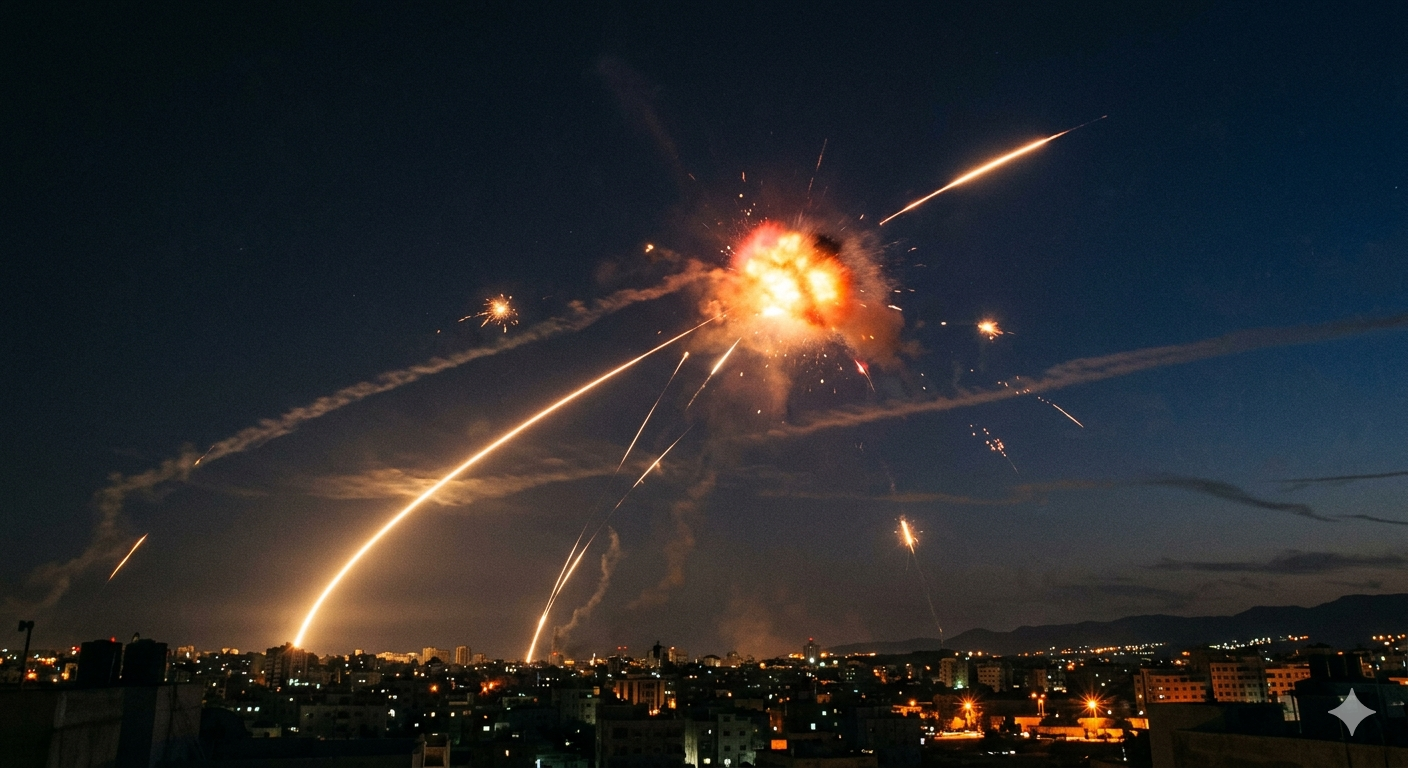
For a moment, it looked like things were about to spiral.
Tensions were rising.
Signals suggested escalation.
And many expected the situation to intensify rapidly.
But instead… something changed.
⚡ The shift no one expected
Recent updates indicate that Iran’s ability to carry out sustained missile and drone attacks has dropped sharply — following targeted U.S. strikes on key infrastructure.
Estimates now suggest:
- Significant damage to missile production sites
- Reduced launch frequency
- A noticeable drop in operational activity
👉 In simple terms:
the pushback didn’t translate into sustained strength.
🛡️ Pressure that reshapes the battlefield
Supporters of Donald Trump argue this reflects a familiar pattern:
Not prolonged escalation —
but targeted pressure that changes the equation.
Instead of widening conflict:
- Capabilities get reduced
- Options get limited
- Momentum begins to shift
🎥 Watch the kind of operations behind this
🐦 What analysts are noticing
Analysts note…
Not escalation — something else
What’s notable isn’t just the damage.
It’s what didn’t happen.
- No immediate large-scale escalation
- No sustained counter-strike surge
- No shift in control of the situation
Instead, what’s emerging is something quieter — but significant:
👉 a reduction in pressure from the other side
📊 What this could mean next
If this trend continues:
- Iran may struggle to sustain prolonged attacks
- Strategic pressure could increase
- The balance may continue to tilt
🇺🇸 The bottom line
Right when things looked like they could escalate…
👉 they didn’t — they shifted
👉 capabilities dropped instead of rising
👉 momentum moved
For many watching closely — including supporters of Donald Trump — it’s a reminder:
Sometimes the biggest turning points don’t explode…
they quietly change direction.
About Republican Column: At Republican Column, we bring you breaking U.S. news, politics, and global developments every day to keep you informed.