

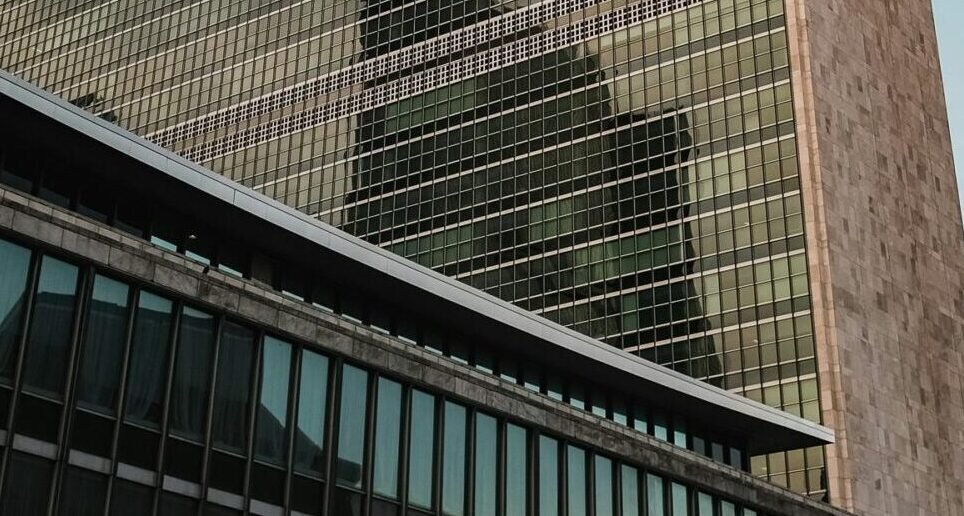
Washington, D.C. | April 5, 2026 | International Desk
The United States is considering a major shift in its foreign aid policy that could reduce funding to countries that repeatedly vote against American positions at the United Nations.
Officials in Washington, D.C. say the proposal aims to ensure that U.S. taxpayer money supports nations that cooperate with American diplomatic goals rather than those that oppose them on key international votes.
The move, if implemented, could affect billions of dollars in economic and development assistance distributed each year through various international aid programs.
Linking Foreign Aid to UN Voting
Under the proposal being discussed by policymakers, countries that consistently vote against the United States at the United Nations General Assembly or other UN bodies could face reductions in financial assistance.
Supporters of the idea argue that the policy would create greater accountability for how American aid is used abroad.
They say the U.S. provides significant funding for humanitarian programs, infrastructure development, and security cooperation, and that countries benefiting from that assistance should demonstrate diplomatic partnership.
Critics, however, warn that linking aid to UN voting records could damage long‑standing alliances and reduce America’s influence in international institutions.
Debate Over Foreign Policy Strategy
Foreign policy analysts say the proposal reflects a broader debate about how the United States should use economic power to advance its global interests.
Some experts believe the policy could encourage countries to align more closely with Washington on international issues.
Others caution that many nations vote independently at the United Nations due to regional politics, economic concerns, or domestic pressures, making voting behavior an unreliable measure of diplomatic partnership.
Humanitarian groups have also raised concerns that aid reductions could impact vulnerable populations rather than government leaders.
Potential Global Impact
If implemented, the policy could reshape relationships between the United States and several developing countries that rely heavily on foreign assistance.
It may also influence future voting dynamics within the United Nations, where the General Assembly includes 193 member states and decisions often reflect complex global alliances.
Diplomatic observers say the debate highlights how international aid has increasingly become a tool of geopolitical strategy.
For now, officials say discussions are ongoing and no final decision has been announced.
Photo by Airam Dato-on:
About Republican Column: At Republican Column, we bring you breaking U.S. news, politics, and global developments every day to keep you informed.
[…] Middle East Tensions Cast Long Shadow Over UN General Assembly […]