

April 7, 2026
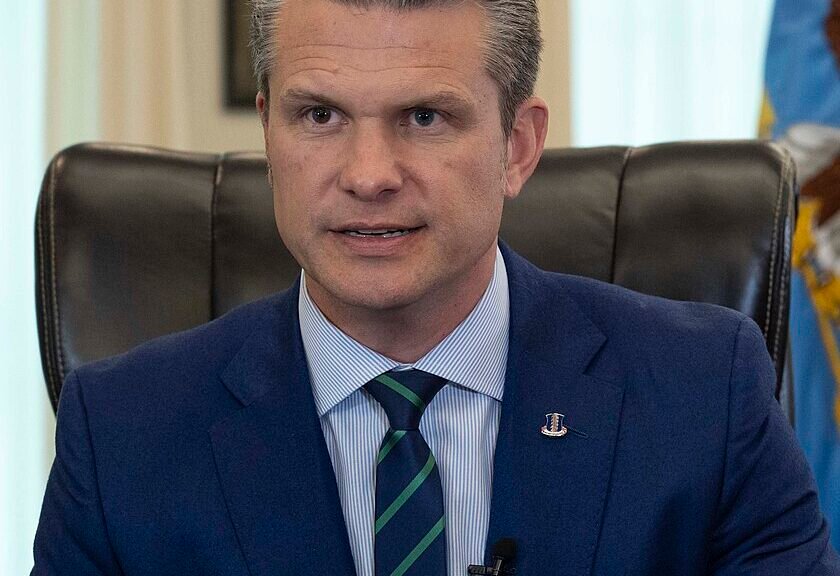
A growing debate has emerged in the United States over the language used by Defense Secretary Pete Hegseth, whose remarks about military operations and faith have drawn both support and criticism from political leaders, religious figures, and policy analysts.
Hegseth, a former Fox News host and veteran of the Minnesota Army National Guard, became one of the youngest defense secretaries in modern U.S. history after being confirmed with a tie‑breaking vote from Vice President JD Vance. His appointment followed months of political debate and scrutiny during the nomination process.
From Media Personality to Defense Leadership
Before entering the administration of President Donald Trump, Hegseth built a national profile as a television commentator while also serving in the military, including deployments to Iraq, Afghanistan, and duty assignments connected with Guantanamo Bay.
His transition from media personality to a top defense role drew intense political attention. Critics questioned his qualifications and raised concerns about past allegations related to personal conduct and management issues. Supporters, however, argued that his military background and strong nationalist views made him a suitable choice for the role.
Religious Themes in Military Messaging
Recent comments by Hegseth during the ongoing tensions involving Iran have reignited public debate. In remarks referencing the Easter holiday, Hegseth used religious imagery to describe a military rescue operation, framing it in terms of rebirth and national celebration.
Observers say his speeches frequently combine faith‑based language with calls for decisive military strength. Analysts note that Hegseth has openly expressed admiration for historical narratives surrounding the Crusades, which he has previously cited as part of Western cultural heritage.
Some supporters view this rhetoric as a reflection of personal faith and patriotism, while critics warn that blending religious symbolism with military messaging may raise concerns in an increasingly diverse and globalized world.
Conservative Faith Networks and Ideology
Reports have also highlighted Hegseth’s connections to conservative Christian communities linked to pastor Doug Wilson, whose teachings have been widely debated within American religious circles.
These networks emphasize traditional social structures and conservative interpretations of Christianity. Critics argue that some of the views associated with these communities—particularly regarding gender roles and historical interpretations—have sparked controversy.
Supporters counter that such beliefs represent longstanding traditions within certain evangelical communities in the United States.
Vatican Response Raises Global Attention
The debate intensified after comments from Pope Leo XIV, head of the Catholic Church, who warned against using religion to justify violence.
Speaking during Easter observances, the Pope emphasized that faith should promote peace and compassion rather than conflict. His remarks did not directly name U.S. officials but were widely interpreted by commentators as a response to broader discussions about religious rhetoric in war.
The Pope also reiterated longstanding church teachings emphasizing care for migrants and vulnerable communities, themes that have occasionally brought the Vatican into tension with political leaders across several countries.
Continuing Political and Religious Debate
The controversy surrounding Hegseth highlights a larger debate about the role of religion in political leadership and military decision‑making. While faith has historically played a role in American public life, critics say religious language should be used carefully in matters involving war.
Supporters argue that personal beliefs often shape leaders’ values and moral frameworks, and that religious references can inspire unity and purpose.
As international tensions continue and military operations remain under global scrutiny, the discussion around Hegseth’s rhetoric is likely to remain part of the broader conversation about leadership, faith, and the use of force.
About Republican Column: At Republican Column, we bring you breaking U.S. news, politics, and global developments every day to keep you informed.