

April 8, 2026
A fragile pause in hostilities between the United States and Iran has begun after President Donald Trump announced a conditional two‑week ceasefire, raising cautious hopes for a longer‑term diplomatic resolution.
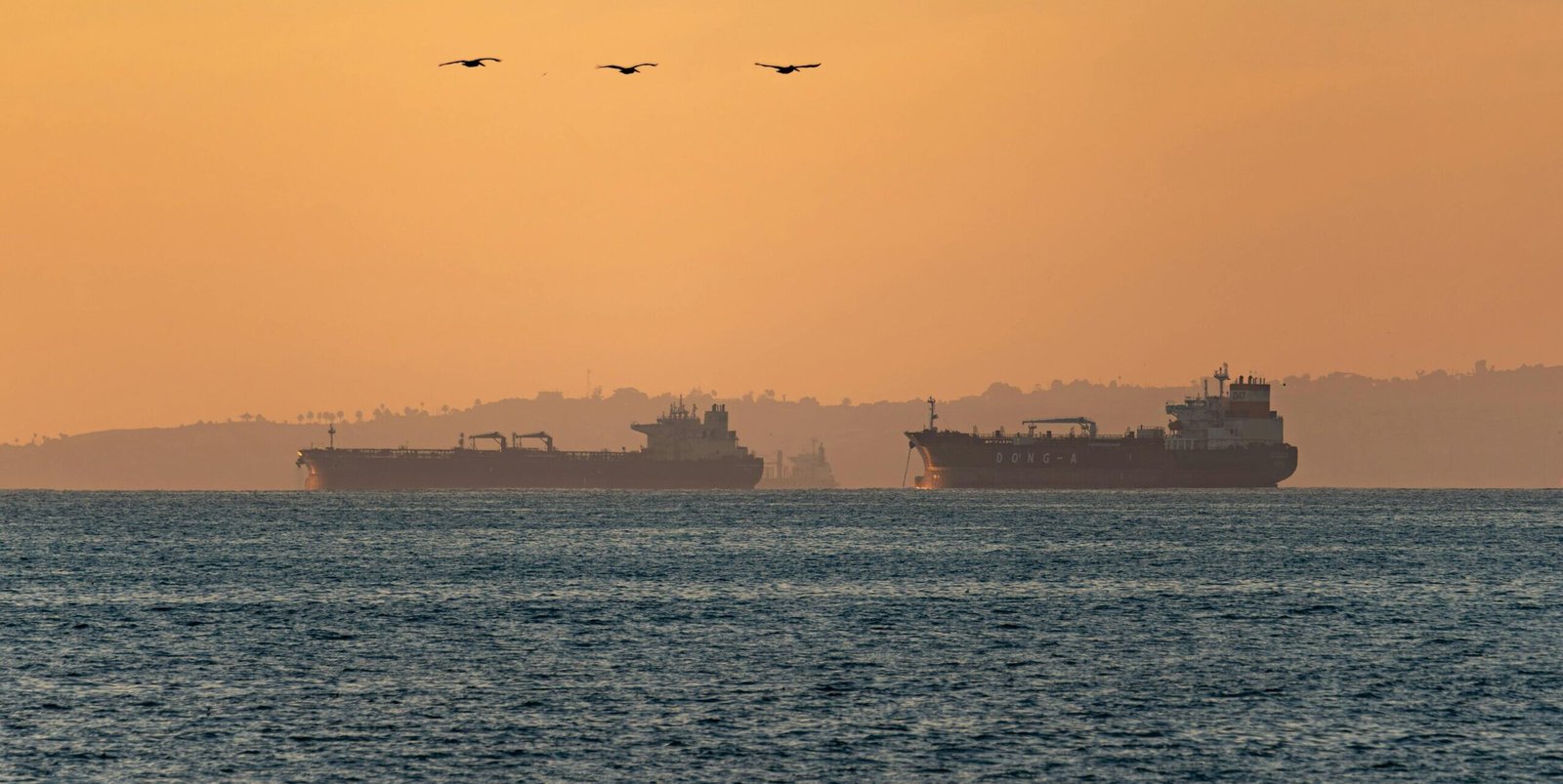
The announcement followed weeks of escalating tensions and threats surrounding the strategic Strait of Hormuz, one of the world’s most critical energy shipping routes. Nearly one‑fifth of global oil supplies typically pass through the narrow waterway, making the conflict a major concern for international markets and governments.
Strikes and Sirens Mark Fragile Truce
Despite the ceasefire announcement, violence continued in parts of the region. Overnight strikes were reported in Sidon, one of the largest cities in Lebanon, while air‑raid sirens sounded across Israel.
The continued clashes highlight how uncertain the situation remains even as diplomatic efforts move forward.
Meanwhile, residents in Iran reportedly gathered in public areas—including bridges and power facilities—amid fears of a large‑scale military strike before the ceasefire deadline was announced.
Iran Presents 10‑Point Plan for Ending the War
Iranian officials have introduced a 10‑point proposal outlining conditions for a broader peace agreement. The framework reportedly includes:
- A permanent end to the war
- Reopening the Strait of Hormuz
- Lifting economic sanctions against Iran
- Reconstruction and compensation payments
- Guarantees related to Iran’s nuclear program
- A regional ceasefire affecting multiple conflict zones
Iranian leaders claim the proposal demonstrates resilience in the face of pressure from Washington and its allies.
U.S. Officials Claim Military Goals Achieved
Vice President JD Vance said the United States had largely achieved its military objectives during the conflict.
According to U.S. officials, the outcome of the war now depends largely on Iran’s willingness to negotiate long‑term security arrangements and address concerns surrounding regional influence and nuclear development.
Regional Conflict Still Ongoing
While the ceasefire may reduce direct confrontation between the United States and Iran, other conflicts in the region continue.
Israel has confirmed it will suspend some military strikes but said the truce does not apply to its ongoing conflict with the Iranian‑backed militant group Hezbollah in Lebanon.
Meanwhile, violence elsewhere in the region persists. A rocket attack overnight reportedly killed civilians in Baghdad, the capital of Iraq.
Oil Markets React to Uncertainty
Energy markets quickly responded to the ceasefire news. Oil prices dropped slightly after the announcement but remain significantly higher than before the conflict began due to continued uncertainty in the Persian Gulf.
Analysts say the stability of the Strait of Hormuz will remain the key factor influencing global energy prices in the coming weeks.
Talks Expected Soon
Diplomatic negotiations are expected to begin soon, with discussions reportedly planned in Pakistan. However, officials caution that reaching a permanent agreement could prove difficult as both sides continue to present competing narratives about the outcome of the conflict.
For now, the temporary ceasefire offers a brief window for diplomacy—but the situation remains volatile across much of the Middle East.
About Republican Column: At Republican Column, we bring you breaking U.S. news, politics, and global developments every day to keep you informed.