

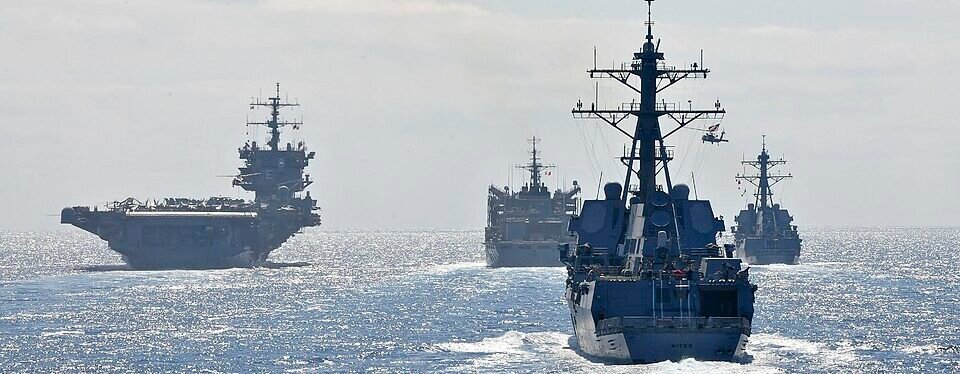
Tensions in the Middle East are rising again as the United States intensifies its naval blockade targeting Iranian-linked oil shipments, even as a fragile ceasefire remains in place.
Officials confirmed that U.S. forces have boarded a third vessel in recent days, part of a broader effort to disrupt what Washington describes as illicit oil transport linked to Tehran. The operations are taking place across key maritime routes, including the Strait of Hormuz and surrounding international waters.
Blockade Expands Beyond the Gulf
According to military updates, U.S. naval units have intercepted and redirected at least 31 vessels suspected of supporting Iran’s oil trade. One of the latest boardings reportedly occurred in the Indian Ocean, signaling that enforcement is no longer limited to the Gulf region.
The Pentagon maintains that these actions are aimed at increasing economic pressure on Iran while limiting its ability to fund military and regional operations.
Trump Signals No Rush for Deal
Donald Trump has indicated that there is no immediate deadline for negotiations, pushing back on reports suggesting a short timeline for a diplomatic breakthrough.
Speaking through aides, the president emphasized that the ceasefire will remain in place while the U.S. waits for a unified response from Iranian leadership. The administration believes internal divisions within Iran’s government are slowing progress toward talks.
Iran Holds Firm on Conditions
Iran has made its position clear: it will not return to negotiations or reopen key shipping routes unless the U.S. lifts its naval blockade. This standoff has created a diplomatic deadlock, with both sides unwilling to make the first move.
Regional players including Pakistan, Turkey, and Egypt are reportedly working behind the scenes to bring both parties back to the negotiating table.
Humanitarian Development Draws Attention
In a separate development, the White House said eight Iranian women who were reportedly facing execution will no longer be put to death. According to U.S. officials, four are expected to be released, while the others will face reduced sentences.
The situation has drawn international attention to human rights conditions inside Iran, even as geopolitical tensions dominate headlines.
For now, the situation remains volatile. The U.S. continues to apply economic and military pressure, while Iran resists negotiations under current conditions. With global energy markets watching closely, any escalation—or breakthrough—could have far-reaching consequences.
About Republican Column: At Republican Column, we bring you breaking U.S. news, politics, and global developments every day to keep you informed.