

For ten weeks, we’ve watched the United States and Iran play a high-stakes game of chicken in the world’s most dangerous “choke point.” While the U.S. implemented a grueling blockade and Iran flexed its maritime muscles, Europe mostly stayed quiet, watching the global energy markets twitch from the safety of the sidelines.
That era of “wait and see” just ended.
The Dragon Awakes
The UK has officially deployed HMS Dragon, a Type 45 air defense destroyer, to the Middle East. This isn’t just a routine patrol; the Dragon is a high-tech beast designed to swat guided missiles out of the sky.
The ship’s arrival is the opening act for a proposed UK-France led naval mission. The goal? To convince nervous commercial shipping companies that their oil tankers won’t become target practice.
The European Power Play:
- The UK: Sending HMS Dragon to lead the escort charge.
- France: Positioning the Charles de Gaulle aircraft carrier strike group in the Red Sea.
- The Coalition: Over 40 countries are now whispering in planning rooms about joining this multinational “security” force.
Pressure from the Oval Office
Let’s be real: this isn’t just about “maritime safety.” This move comes after relentless, public pressure from President Trump.
The White House has been vocal about its frustration with European allies, essentially calling their previous support “insufficient.” By stepping up now, London and Paris are performing a delicate tightrope walk—trying to stabilize the energy corridor that heats their homes while preventing a total diplomatic breakdown with Washington.
“It’s prudent planning,” says the official line. Translation? “We can’t afford to let the $4.50 gas price become the new $6.00.”
A Fifth of the World’s Oil is at Stake
Why does a waterway only 21 miles wide at its narrowest point matter to someone in London, Paris, or Peoria? Because 20% of the world’s oil flows through the Strait of Hormuz.
The strategy here is “reassurance.” If a multinational coalition—complete with mine-clearing ships and air policing—can’t keep the lanes open, nothing can. But there’s a catch: this mission is slated to fully kick off only after a stable ceasefire or peace deal is reached.
Current Logistics in Play:
| Capability | Lead Nations | Purpose |
| Air Defense | UK (HMS Dragon) | Intercepting guided missiles/drones |
| Strike Power | France (Charles de Gaulle) | Projecting readiness & deterrence |
| Mine Clearing | Coalition Partners | Clearing “sabotage” risks in the water |
The Big Question: Will Tehran Play Along?
The elephant in the room remains Iran. Tehran has long used its control over the Strait as its ultimate leverage against U.S. sanctions.
Will they see a European-led force as a “neutral” stabilizing presence, or just another set of Western warships in their backyard? If Iran refuses to recognize this new arrangement, we aren’t looking at a peace mission—we’re looking at a recipe for an even bigger confrontation.
Europe has officially entered the chat. Whether they brought a fire extinguisher or more fuel for the flames remains to be seen.
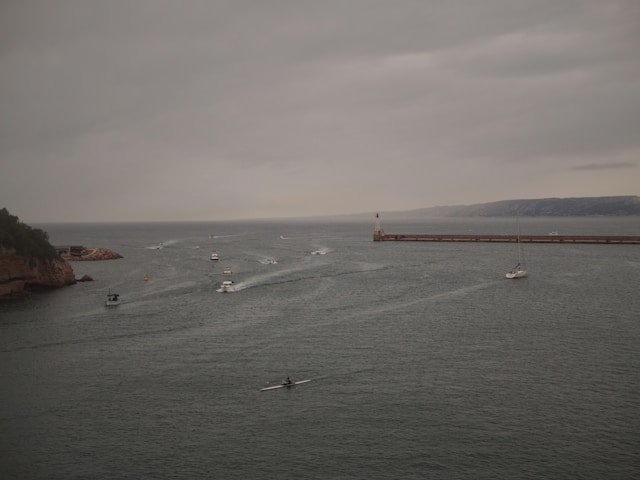
Photo by Florian Peeters on Unsplash
About Republican Column: At Republican Column, we bring you breaking U.S. news, politics, and global developments every day to keep you informed.