

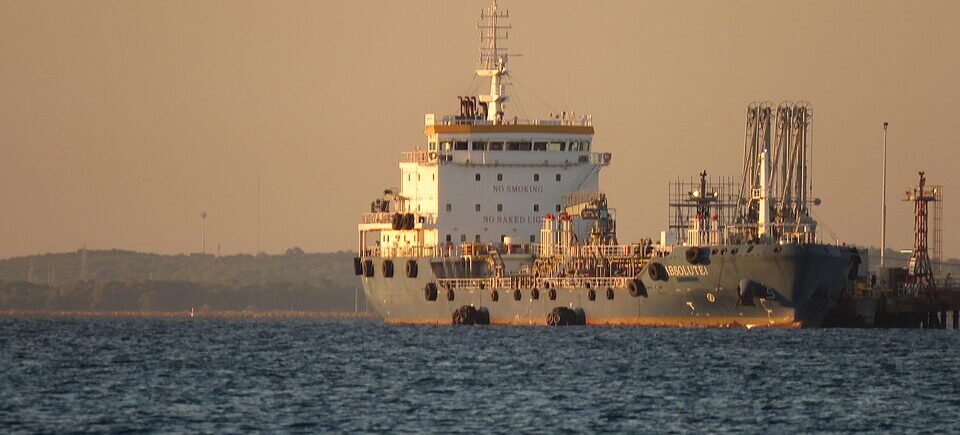
Iran has announced plans to develop a framework for maritime service fees for commercial vessels transiting the Strait of Hormuz, one of the world’s busiest energy shipping routes.
Iranian officials say the proposal is intended to support maritime services such as navigation assistance, vessel monitoring, environmental protection, and shipping safety.
If implemented, the framework could become an important topic for governments, shipping companies, and energy markets because of the strategic importance of the waterway.
Why the Strait of Hormuz Matters
The Strait of Hormuz connects the Persian Gulf with the Gulf of Oman and the Arabian Sea.
A significant share of the world’s crude oil and liquefied natural gas exports passes through this narrow shipping corridor each day, making it one of the most important maritime routes for international trade.
Any policy changes affecting commercial traffic are closely monitored by global energy markets.
What Iran Has Proposed
According to statements from Iranian officials, the proposed framework would establish service fees related to maritime operations.
Officials have indicated that discussions are taking place with regional partners regarding implementation and regulatory oversight.
Specific details, including fee structures, implementation dates, and eligibility criteria, have not yet been finalized.
Possible Impact on Shipping and Energy Markets
Industry analysts say that any additional costs associated with shipping through the Strait of Hormuz could influence transportation expenses for energy producers and commercial shipping operators.
The overall economic impact would depend on the final structure of the program, international responses, and how shipping companies adjust their operations.
Market participants will also be watching for any effects on insurance costs, freight rates, and global energy prices.
International Response
Governments and international organizations are expected to review the proposal as more information becomes available.
The Strait of Hormuz has long been regarded as a strategically important international waterway, and policy changes affecting navigation typically receive close diplomatic attention.
Regional cooperation and compliance with international maritime law are likely to remain central topics in future discussions.
Looking Ahead
At this stage, the proposal remains under development, and additional details are expected through official announcements.
Shipping companies, energy traders, and policymakers will continue monitoring developments as they assess the potential implications for international commerce.
Conclusion
Iran’s proposed maritime service fee framework highlights the continuing importance of the Strait of Hormuz in global trade and energy security.
As discussions continue, the final design of the proposal—and the international response to it—will determine its long-term impact on shipping, regional cooperation, and global markets.
About Republican Column: At Republican Column, we bring you breaking U.S. news, politics, and global developments every day to keep you informed.