

Published: 11th July 2026
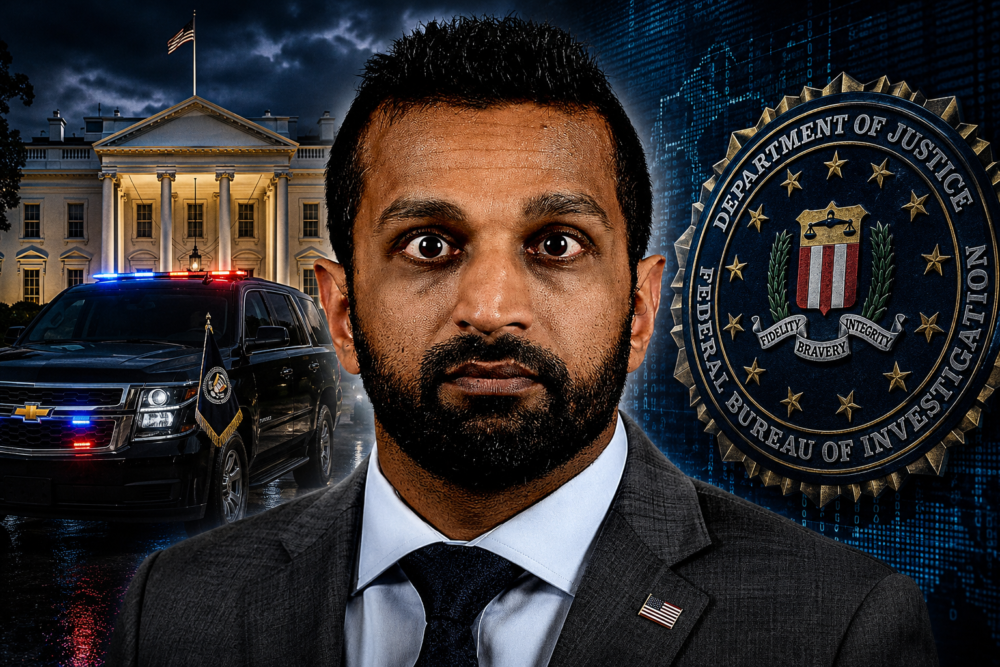
An unexpected White House meeting involving FBI Director Kash Patel drew attention in Washington on Friday after he arrived for an unscheduled visit during an already busy week of national security developments.
While neither the White House nor the FBI publicly disclosed the purpose of the meeting, Patel was seen entering the West Wing for what officials described only as a private briefing. The lack of advance notice quickly fueled speculation about whether the discussion involved domestic security, foreign intelligence, or another developing issue.
As of publication, no official statement has connected the meeting to any specific investigation or security event.
A Busy Week for National Security Officials
The meeting comes during a period when several major security matters are unfolding simultaneously.
Federal agencies continue monitoring reported threats involving Iran following recent intelligence shared between U.S. and allied officials. At the same time, law enforcement agencies remain focused on transnational criminal organizations, cybersecurity risks, and preparations for large international events scheduled across the United States.
Although officials have not linked Patel’s White House visit to any one issue, these ongoing responsibilities provide important context for why senior national security leaders continue to meet regularly with administration officials.
Several Issues Remain Under Close Review
Federal agencies are currently involved in multiple high-priority operations, including:
- Monitoring reported foreign threats against U.S. officials.
- Investigating transnational criminal organizations operating across the United States.
- Strengthening cybersecurity and critical infrastructure protections.
- Coordinating security planning for major international sporting events, including preparations related to the 2026 FIFA World Cup.
Because many of these efforts involve multiple federal agencies, senior leadership meetings are not unusual, even when their agendas remain confidential.
Why Such Meetings Often Remain Private
National security briefings frequently involve classified intelligence, active investigations, or operational planning that cannot be discussed publicly.
For that reason, administrations of both parties have often declined to provide detailed explanations immediately following sensitive meetings involving intelligence or law enforcement leaders.
Without official confirmation, it is not possible to determine what specific topics were discussed during Friday’s meeting.
What We Know — And What We Don’t
At this point, several facts are confirmed:
- FBI Director Kash Patel visited the White House for an unscheduled meeting.
- The meeting was held privately.
- No official readout has been released describing its agenda.
- Neither the FBI nor the White House has announced any new security action connected to the visit.
Everything beyond those confirmed facts remains speculative until additional information becomes available.
Looking Ahead
The coming days may provide greater clarity if administration officials choose to discuss the meeting or if related policy announcements are made.
Until then, observers will likely continue watching for any developments involving national security, law enforcement operations, or foreign policy that could help explain the timing of Patel’s visit.
For now, the unscheduled meeting serves as a reminder that many of the government’s most significant national security discussions take place behind closed doors, with details becoming public only after officials determine that doing so will not affect ongoing operations.
Editorial Note
This article is based on publicly available reporting regarding FBI Director Kash Patel’s White House visit. Because neither the White House nor the FBI has released details of the meeting, the article avoids speculation about topics that have not been officially confirmed.
About Republican Column: At Republican Column, we bring you breaking U.S. news, politics, and global developments every day to keep you informed.
[…] Kash Patel’s Senate Hearing Turns Into Heated Clash Over FBI Power […]