

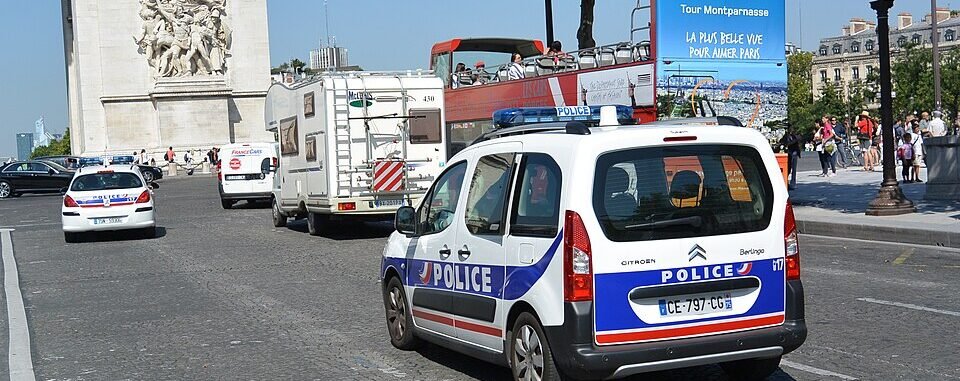
Thousands of people have taken part in demonstrations across France and Italy, highlighting growing frustration over economic challenges, public services, and government policies. The protests, which have unfolded in several major cities, have prompted significant security responses as authorities seek to maintain public order while allowing citizens to exercise their right to demonstrate.
The latest demonstrations reflect broader concerns that have been emerging across parts of Europe, where rising living costs, pressures on public services, and debates over government priorities continue to shape political discussions.
Demonstrations Continue Across France
In France, large crowds gathered in multiple cities during another weekend of demonstrations. Authorities reported numerous arrests as police maintained a strong presence in urban centers where protests were expected to draw significant attendance.
Security preparations included the deployment of tens of thousands of officers nationwide. In Paris, some transport stations were temporarily closed and additional protective measures were put in place around commercial districts. Officials said the precautions were intended to prevent disorder and protect businesses and public infrastructure.
In the city of Lyon, police used tear gas during clashes that occurred as some demonstrations became tense. While many gatherings remained peaceful, authorities said intervention was required in certain areas to restore order and prevent further escalation.
Government representatives acknowledged that earlier demonstrations had developed more rapidly than expected, prompting officials to strengthen preparations for subsequent events. The enhanced security presence is part of a broader effort to balance public safety concerns with citizens’ rights to assemble and express their views.
Economic Concerns at the Center of Protests
Many participants said economic issues remain a major driving force behind the demonstrations. Protesters pointed to rising household expenses, concerns about public spending, and growing pressure on working families.
Interviewed participants argued that the current economic environment has left many people struggling to manage everyday costs. Some called for reforms aimed at reducing inequality and increasing investment in public services, including education and local infrastructure.
Several demonstrators emphasized that their concerns extend beyond immediate financial challenges. For some participants, the protests have become a platform for discussing broader questions about social policy, political representation, and the responsiveness of government institutions.
Union groups, student organizations, and community activists have also joined demonstrations, highlighting issues ranging from education funding to labor protections. Organizers say the movement includes a diverse range of perspectives united by concerns about economic conditions and public policy decisions.
Debate Over Public Liberties
Alongside economic concerns, questions about civil liberties and freedom of assembly have become an important part of the public discussion.
Some protesters argue that tighter restrictions on demonstrations risk limiting opportunities for public expression. Others contend that stronger security measures are necessary to prevent violence and protect residents, businesses, and public property.
As political debates intensify, these competing views have contributed to a wider national conversation about the balance between maintaining order and safeguarding democratic freedoms.
Observers note that such discussions often become more prominent during periods of political uncertainty and ahead of major elections, when public engagement and political activism tend to increase.
Italy Introduces Stronger Security Measures
Italy has also experienced sustained demonstrations in recent weeks. Following incidents of property damage during earlier protests, authorities introduced new measures aimed at deterring violence and enhancing public safety.
The government announced legal changes that increase penalties for certain acts committed during violent demonstrations. Officials said the measures are designed to discourage disorder and protect communities affected by unrest.
In Milan, hundreds of security personnel, including military forces working alongside local police, were deployed to support public safety operations. The visible security presence led organizers to cancel some planned events in central locations, though smaller demonstrations and public gatherings continued.
Authorities have defended the measures as necessary precautions following previous disturbances. Government leaders argue that maintaining public order remains essential while ensuring that peaceful demonstrations can continue.
Mixed Public Reaction
Public opinion regarding the security response appears divided.
Some business owners have welcomed increased police deployments, saying stronger protections help reduce the risk of damage and disruption. Others have expressed concern that heightened security measures could discourage visitors and affect local economic activity.
Residents in affected city centers have also reported mixed experiences. While some feel reassured by the increased presence of law enforcement, others worry about the long-term impact of ongoing tensions and restrictions.
Critics of the government’s approach argue that tougher laws may place excessive limits on public protest. Supporters, however, contend that clear rules and enforcement are necessary to prevent violence and ensure demonstrations remain peaceful.
Looking Ahead
As demonstrations continue, governments across Europe face the challenge of responding to public concerns while maintaining security and stability. Economic pressures remain a key issue for many households, and protesters say meaningful action will be needed to address the underlying causes of dissatisfaction.
For now, the protests in France and Italy underscore the complex relationship between economic conditions, public sentiment, and government policy. With political debates expected to intensify in the coming months, both officials and demonstrators are likely to remain at the center of an ongoing conversation about Europe’s social and economic future.
About Republican Column: At Republican Column, we bring you breaking U.S. news, politics, and global developments every day to keep you informed.