

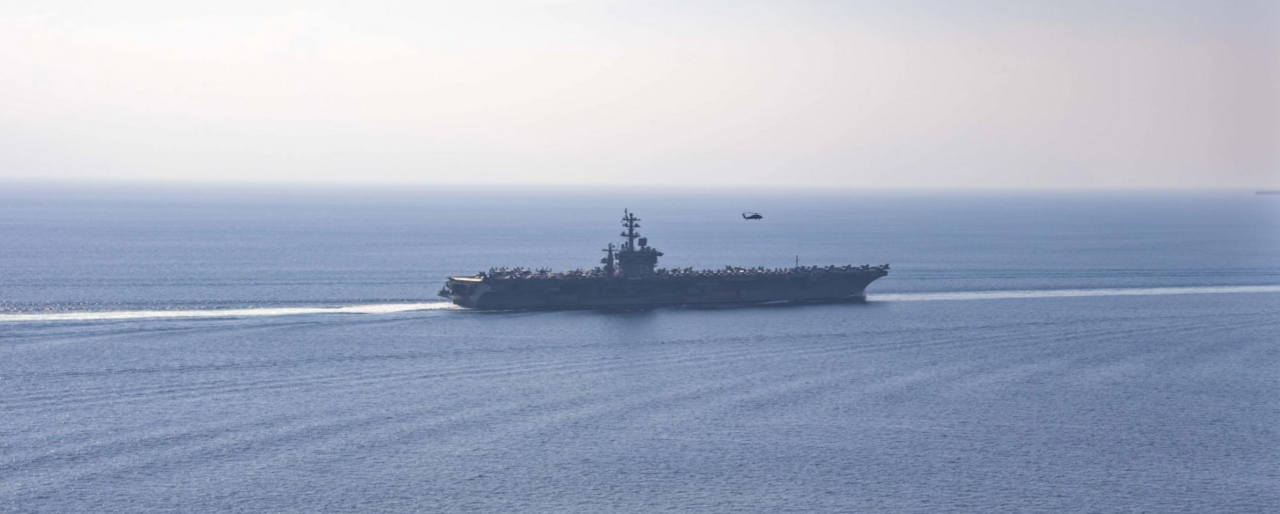
Despite severe inflation and financial pressure, analysis suggests that parts of Iranian society continue to view tensions with Washington through the lens of national survival.
Iran’s confrontation with the United States is being shaped by more than sanctions, currency depreciation and economic pressure. Analysis presented in the supplied video transcript suggests that the country’s response is also deeply connected to how Iranian leaders and parts of society understand the broader dispute with Washington.
The transcript describes an Iranian economy under significant strain. Financial losses have accumulated, while the depreciation of the Iranian currency has contributed to severe inflation and increased pressure on households.
Yet the analysis argues that these economic difficulties have not automatically translated into a willingness to change Tehran’s broader negotiating position.
Instead, historical experience and a strong emphasis on national independence appear to influence how the pressure is interpreted.
Economic Pressure Has Limits
One of the key examples discussed in the transcript is the U.S. “maximum pressure” campaign that began in 2018.
That strategy was designed to increase economic pressure on Iran and push its government toward changes in its policies. The transcript notes that Iran’s currency suffered substantial depreciation during that period, creating serious economic difficulties.
But the analysis also points to Iran’s ability to adapt.
Iran has developed significant domestic production capacity over decades of sanctions and economic isolation. According to the discussion, the country produces a considerable share of the goods it consumes rather than relying entirely on imports.
That domestic capacity does not eliminate the effects of sanctions.
It does, however, provide a degree of insulation.
When foreign goods become more difficult or expensive to obtain, domestic producers can sometimes fill part of the gap. The result is an economy that can experience substantial damage without necessarily reaching the point of complete economic paralysis.
This distinction is important when evaluating the effectiveness of economic pressure.
Sanctions can impose significant costs, but the economic response of a country depends partly on how quickly its businesses, consumers and institutions adapt.
Inflation Remains a Major Burden
Economic adaptation should not be confused with economic prosperity.
The transcript emphasizes the severe financial pressures facing ordinary Iranians, particularly as currency weakness contributes to inflation.
Higher prices can affect virtually every part of daily life, from food and household goods to transportation and other basic expenses.
That creates a difficult contradiction.
Iran may demonstrate economic resilience at the national level while individual households experience worsening financial conditions.
A country can continue producing goods and maintaining essential economic activity while its population simultaneously faces declining purchasing power.
That tension is central to understanding why economic pressure does not always produce the political response expected by outside governments.
Public Sentiment Shapes the Equation
The transcript also places considerable emphasis on public perception.
According to the analysis presented, parts of Iranian society interpret the confrontation with Washington not simply as a disagreement over specific policies but as a broader struggle over national independence.
That perception can change how economic hardship is understood.
Instead of viewing sanctions exclusively as evidence of government failure, some citizens may see external pressure as an attempt to weaken Iran as an independent state.
The transcript does not suggest that all Iranians share this view. It acknowledges continuing domestic dissatisfaction over economic conditions.
But it argues that the broader framing of the conflict can make external pressure politically complicated.
Economic hardship may generate frustration without necessarily producing a unified public demand for concessions to Washington.
The Pressure Works Both Ways
The analysis also highlights the potential costs for the United States and other Western countries.
Aggressive economic measures can affect global energy markets, particularly when tensions involve one of the world’s major energy-producing regions.
The Strait of Hormuz is an important part of that equation.
The strategically significant waterway connects the Persian Gulf with the Gulf of Oman and is central to international energy transportation. Any serious disruption or threat to shipping through the area could create consequences well beyond Iran.
That means policymakers face a difficult balance.
The United States can use economic pressure to increase the costs facing Tehran, but Washington and its allies must also consider the possible effects on energy prices, consumers and broader international markets.
Why Maximum Pressure Is Not Simple
The transcript ultimately presents maximum-pressure policies as strategies with practical limits.
Economic sanctions can restrict revenue, weaken currencies and make international transactions more difficult. But they do not necessarily guarantee a particular political outcome.
Iran’s experience since 2018, as described in the analysis, demonstrates the role that domestic production and adaptation can play in absorbing some of the pressure.
At the same time, the economic consequences remain significant.
That creates an ongoing strategic question for both sides: how much pressure can be sustained before the economic and political costs become greater than the expected benefits?
For Tehran, the challenge is maintaining economic stability while facing continued external restrictions.
For Washington, the challenge is determining whether economic pressure can achieve its objectives without creating wider regional and international consequences.
A Conflict Shaped by Economics and Perception
The future of U.S.-Iran relations will therefore depend on more than sanctions figures or currency movements.
Economic resilience, domestic hardship, public sentiment and strategic geography all interact.
The transcript’s analysis suggests that Iran’s ability to adapt economically may limit the effectiveness of pressure alone, while the perception of the confrontation as a struggle over national independence may make Tehran less willing to change course simply because economic conditions deteriorate.
At the same time, continuing pressure carries costs for both sides.
For now, the confrontation remains defined by that tension: Washington seeks leverage through economic pressure, while Iran attempts to absorb the consequences without surrendering what its leadership and parts of its society regard as core national interests.
How that balance develops will help determine whether future pressure produces negotiations, further confrontation or another period of adaptation.
About Republican Column: At Republican Column, we bring you breaking U.S. news, politics, and global developments every day to keep you informed.