

Netanyahu faces a major political challenge as voters weigh the government’s record, domestic divisions and Israel’s future relations with the international community.
Israel’s October 27 election comes at a critical moment for the country, with security, public accountability, economic pressures and regional diplomacy shaping the political debate. The result could influence the country’s next government and its approach to international relations.
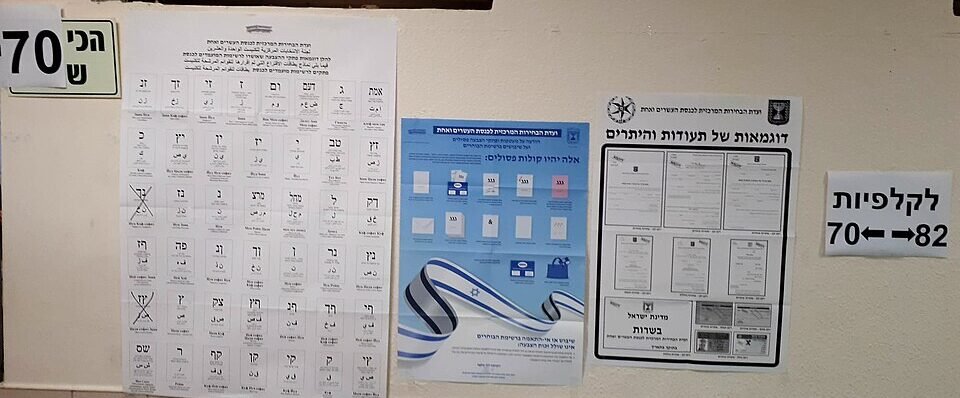
JERUSALEM, October 27, 2026 — Israelis are voting in a closely watched general election that could shape the country’s political direction, security policies and international relationships at a time of continuing regional uncertainty.
Prime Minister Benjamin Netanyahu and his right-wing, religious coalition face a challenge from opposition parties, including a centrist bloc led by former military chief Gadi Eisenkot. The election comes three years after the Hamas-led attacks of October 7, 2023, which profoundly affected Israel’s security debate and intensified questions about government accountability.
Neither major political camp is assured of securing a parliamentary majority, according to pre-election analysis. That uncertainty means the outcome may depend not only on the number of seats won by individual parties but also on their ability to negotiate a workable governing coalition.
The implications extend beyond Israel. Decisions made by the next government could influence regional security, relations with the United States and European partners, and diplomatic efforts concerning Palestinians and neighbouring countries.
Domestic Issues Shape the Election Debate
Security remains central to the campaign, but voters are also confronting a wider set of domestic concerns. These include the government’s handling of the October 7 attacks, the cost of living, military service obligations, political accountability and public confidence in state institutions.
The war and subsequent regional confrontations have placed considerable pressure on Israeli society and the economy. Families affected by the conflict, businesses facing uncertainty and communities concerned about their security have different expectations of the next government.
For Netanyahu, the election represents an opportunity to retain power and defend his administration’s record. His supporters generally emphasise national security, military preparedness and the need for strong leadership in a volatile region.
Opposition parties have called for changes in government priorities and greater accountability over security failures. Eisenkot, a former chief of staff of the Israel Defense Forces, is among the prominent figures seeking to challenge Netanyahu’s leadership.
However, the opposition is not a single unified political force. Different parties hold differing positions on security, religion, civil rights and relations with Palestinians. These divisions could complicate efforts to establish an alternative government, even if Netanyahu’s bloc falls short of a majority.
Coalition Politics Could Determine the Outcome
Israel elects its 120-member Knesset through a system of proportional representation. Voters choose party lists rather than directly electing a prime minister, and a party must cross the electoral threshold to win parliamentary representation.
A government generally needs the support of at least 61 lawmakers to command a majority in the Knesset. As a result, even a party that wins the largest share of seats cannot necessarily govern alone.
This system makes smaller parties potentially influential in coalition negotiations. Their support can determine which leader has a realistic path to forming a government and what compromises are required to secure that support.
Pre-election assessments have pointed to a fragmented political landscape, with neither the governing bloc nor its opponents guaranteed a clear route to a majority. Disagreements over cooperation with Arab-led parties present another challenge for opposition leaders.
If negotiations fail, Israel could face a prolonged period of political uncertainty. A caretaker government may remain in office while discussions continue, and the possibility of another election cannot be ruled out if no viable coalition emerges.
Regional Security and Gaza Remain Major Concerns
The election is taking place against the backdrop of unresolved questions about Israel’s long-term security and the future of Gaza.
The next government will face decisions concerning military strategy, border security, humanitarian access, post-war governance and the prospects for a broader political settlement. These issues are closely connected, and progress in one area could affect negotiations and security arrangements in another.
The future of the West Bank is also likely to remain a source of domestic and international disagreement, particularly regarding settlement expansion and the prospects for a two-state solution.
Relations with Iran and other regional actors add further complexity. Israel’s security decisions will influence its immediate neighbourhood, while developments across the region could shape the new government’s priorities.
A change in leadership could create opportunities to reconsider diplomatic approaches, but it would not automatically resolve longstanding disputes. Likewise, a Netanyahu-led government would still face international pressure and difficult strategic choices.
International Relations Under Close Scrutiny
Washington and European capitals have a significant interest in the election’s outcome because Israel’s policies affect regional diplomacy, security cooperation and humanitarian concerns.
The next government will need to manage these relationships while responding to domestic political demands. Differences over the conduct of the conflict, settlement policy and the future of Palestinian governance have placed strains on some international partnerships.
A government seeking closer cooperation with Western allies might place greater emphasis on diplomatic engagement and rebuilding trust. Alternatively, continuity in leadership could preserve existing priorities while leaving some disagreements unresolved.
For neighbouring countries, Israel’s approach to security arrangements and regional diplomacy will also matter. However, the direction of policy will depend on the eventual coalition, not simply on which party receives the most votes.
What Happens Next?
The immediate focus is on voter participation, the distribution of parliamentary seats and the negotiations that follow the count. Exit polls may provide an early indication of the political balance, but they are not official results.
The election’s significance will ultimately depend on whether the incoming government can establish a stable majority and turn its campaign promises into policy.
For Israelis, the vote offers an opportunity to express their views on security, leadership and the country’s future. For the wider international community, it is an important test of how Israel will navigate domestic divisions while confronting difficult regional and diplomatic challenges.
The outcome may determine who leads the next government, but the larger questions — including security, accountability, economic recovery and the future of relations with Palestinians — will remain on the agenda long after election day.
This report reflects information available on October 27, 2026. Election results and subsequent coalition negotiations may change the political outlook.
About Republican Column: At Republican Column, we bring you breaking U.S. news, politics, and global developments every day to keep you informed.