

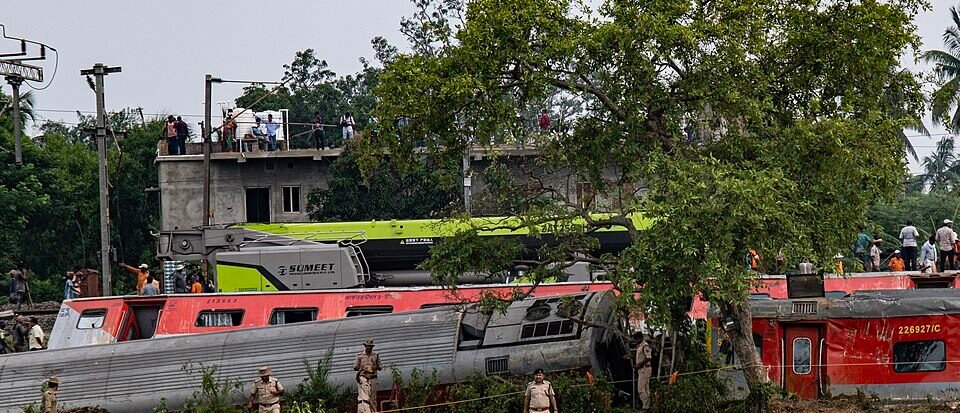
MADRID — Spanish authorities are conducting an extensive investigation into a devastating high-speed rail accident that has left dozens of people dead and many others injured, as questions grow about what caused one of the country’s most serious railway disasters in recent years.
The collision has drawn national attention and prompted renewed discussions about railway safety, infrastructure maintenance, and the challenges of operating one of Europe’s largest high-speed rail networks. While emergency operations have largely concluded, investigators continue to examine evidence from the crash site in an effort to determine exactly how the tragedy unfolded.
The incident occurred along a major railway corridor used by high-speed passenger services. Preliminary findings indicate that the accident began when one of the trains experienced a derailment. According to early assessments, several carriages left the tracks and encroached onto an adjacent rail line.
Moments later, another passenger train traveling on the neighboring track collided with the derailed cars, causing extensive damage and triggering a major emergency response. The force of the impact left passengers trapped inside damaged carriages and created a challenging rescue environment for first responders.
Emergency services from across the region were quickly mobilized. Firefighters, police officers, medical teams, and specialized rescue personnel worked throughout the day and night to reach victims, evacuate survivors, and provide medical care.
Authorities reported that the accident site presented logistical difficulties. The stretch of railway where the collision occurred was not easily accessible, requiring emergency crews to rely on service roads and specialized vehicles. Helicopters were also deployed to transport critically injured passengers to hospitals and trauma centers.
In the hours following the crash, temporary assistance centers were established to support survivors and family members seeking information about loved ones. Psychological support services were also made available to those affected by the tragedy.
As rescue efforts transitioned into recovery and investigation operations, attention shifted toward determining the cause of the derailment that set the events in motion.
Rail accident investigators secured the affected section of track and began conducting detailed examinations of both the railway infrastructure and the trains involved. Specialists are reviewing physical evidence from the site, including rail components, wheel assemblies, signaling data, and operational records.
Particular attention is being given to the condition of the track where the initial derailment occurred. Technical teams are reportedly studying rail joints, welding points, and sections of track that may have shown signs of abnormal wear or deformation.
Transport officials have stressed that investigators have not reached any conclusions and that all possible factors remain under consideration. Standard accident investigations typically evaluate infrastructure conditions, train performance, operational procedures, signaling systems, weather factors, and potential human error before determining a final cause.
Experts say such inquiries can take months, as investigators carefully analyze data recorders, maintenance documentation, inspection reports, and communications logs. Authorities have emphasized that the investigation will be conducted independently and transparently.
The accident has also disrupted transportation services across parts of Spain. Rail operators suspended traffic through the affected corridor while crews worked to clear debris, assess damage, and begin repairs.
Passengers faced delays and service interruptions as transportation authorities arranged alternative travel options. Additional bus services and adjusted rail schedules were introduced to reduce the impact on travelers while restoration work continued.
The tragedy has sparked broader discussions about rail safety across the country. Spain’s high-speed rail network is among the most extensive in Europe and plays a central role in connecting major cities, supporting tourism, and facilitating business travel.
Despite maintaining a strong overall safety record, major incidents inevitably raise concerns about infrastructure resilience and oversight. Safety advocates and transportation experts have argued that railway systems must continue evolving alongside growing passenger demand and increasingly sophisticated operations.
Some industry observers have called for expanded investment in advanced monitoring technologies capable of identifying potential infrastructure problems before they develop into serious safety risks. Modern track-monitoring systems, sensors, and predictive maintenance tools are increasingly viewed as important components of railway safety strategies worldwide.
Government officials have pledged full cooperation with investigators and have promised to implement any recommendations that emerge from the inquiry. Transport authorities have also indicated they will work closely with rail safety organizations and technical experts to review findings and strengthen protections where necessary.
Meanwhile, communities across Spain continue to mourn the victims of the collision. Tributes have been paid to those who lost their lives, while hospitals and support organizations remain focused on assisting survivors and their families.
For many observers, the investigation represents more than an effort to determine what happened on a single section of railway. It is also seen as a critical opportunity to identify lessons that could improve rail safety in the future and help prevent similar tragedies from occurring again.
As investigators continue their work, the nation awaits answers about the factors that led to the disaster. The findings are expected to play an important role in shaping future maintenance practices, infrastructure oversight, and safety policies across Spain’s railway network.
The coming months will likely bring a clearer understanding of the sequence of events behind the accident. Until then, the focus remains on supporting victims, restoring rail services, and ensuring that every aspect of the tragedy is thoroughly examined.
About Republican Column: At Republican Column, we bring you breaking U.S. news, politics, and global developments every day to keep you informed.