

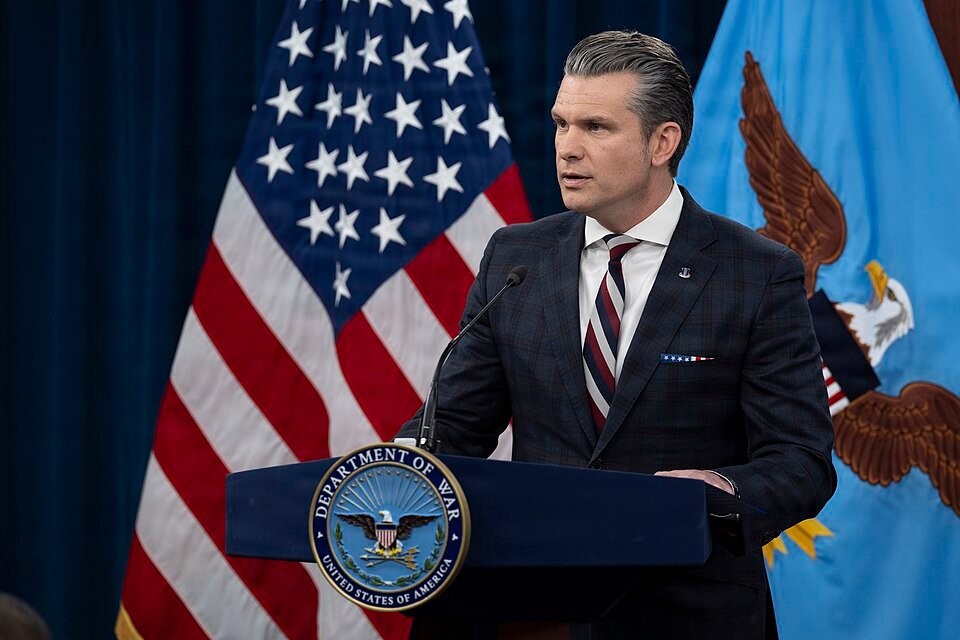
Growing tensions in global conflict zones are raising concerns about deeper U.S. involvement overseas—and what that could mean for everyday Americans. As geopolitical risks increase, experts warn that the effects may not stay confined to distant regions but could ripple across the U.S. economy and daily life.
Rising global tensions could soon hit home—impacting prices, security, and everyday life in the U.S.
Story Snapshot
• Rising global conflicts are increasing pressure on U.S. foreign policy
• Greater involvement could impact the economy and national security
• Energy prices and supply chains may be affected
• Americans could feel the effects through higher costs and uncertainty
Rising Global Tensions
Ongoing conflicts and geopolitical rivalries in key regions are intensifying, putting the United States in a difficult position. Decisions about military support, alliances, and strategic involvement are becoming more complex as global instability grows.
While these developments may seem distant, U.S. involvement often carries consequences that extend far beyond the battlefield.
Economic Impact at Home
One of the most immediate ways Americans could feel the effects is through the economy. Increased military activity or instability in key regions can disrupt global trade and energy supplies.
This can lead to:
- Higher gas prices
- Increased shipping and transportation costs
- Rising prices for everyday goods
Markets often react quickly to geopolitical uncertainty, which can also affect investments, retirement savings, and overall economic confidence.
National Security Concerns
Greater involvement abroad can also shift national security priorities. Increased military commitments may require more resources, planning, and coordination, potentially affecting defense spending and policy decisions.
At the same time, officials must balance international responsibilities with domestic security needs—an ongoing challenge during periods of global tension.
Political Debate Intensifies
In Washington, debates are already heating up over how the U.S. should respond to rising global risks. Some leaders advocate for a strong international presence to deter threats, while others argue for a more restrained approach to avoid prolonged conflicts.
These discussions are likely to play a major role in shaping policy decisions—and could become a key issue in upcoming elections.
What It Means for Americans
For many Americans, the biggest concern is how global events translate into everyday life. From fuel costs to job markets, the ripple effects of international conflict can be wide-ranging.
While the full impact will depend on how situations evolve, experts agree that global instability is increasingly connected to domestic economic and political realities.
Sources
Reuters – Global conflicts and U.S. foreign policy
Associated Press – U.S. foreign policy and global tensions
About Republican Column: At Republican Column, we bring you breaking U.S. news, politics, and global developments every day to keep you informed.