

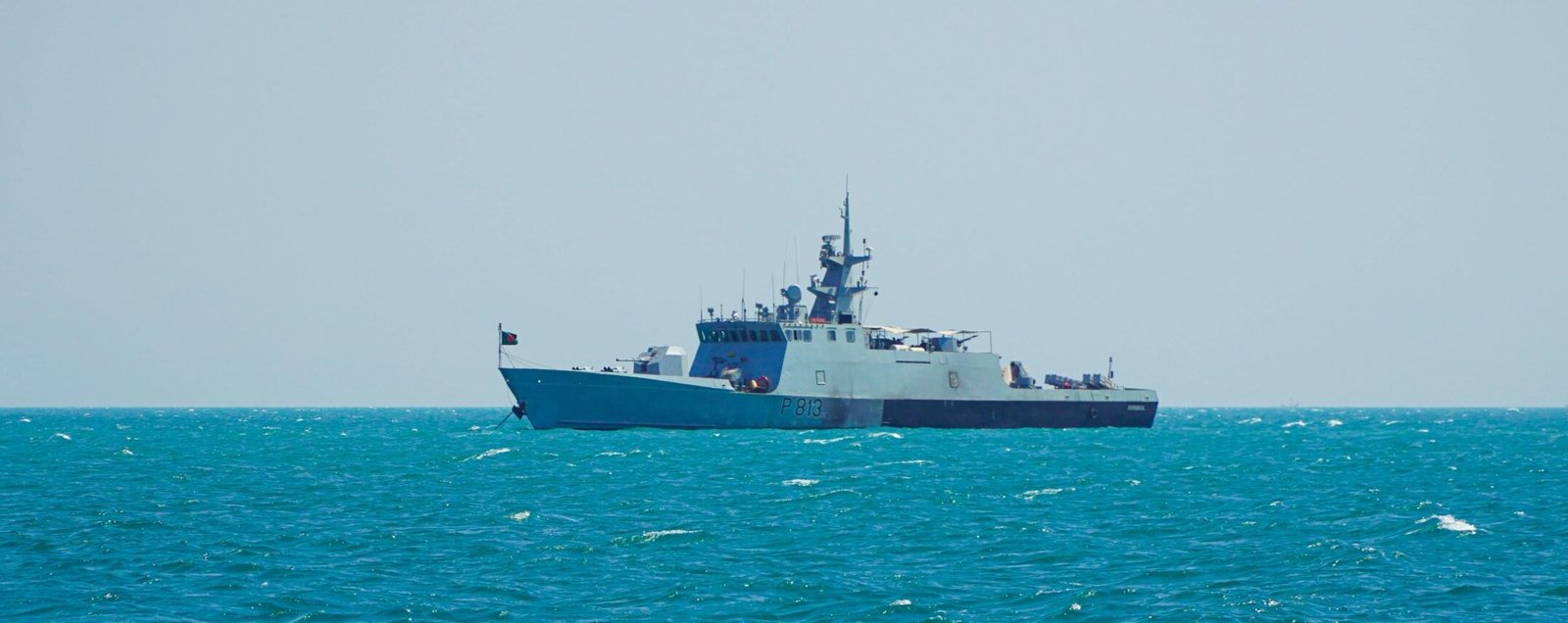
The administration of Donald Trump has signaled a stronger commitment to protecting global shipping routes near the strategically vital Strait of Hormuz. The move emphasizes maintaining “freedom of navigation” through one of the world’s most important maritime corridors.
Washington signals a stronger role in securing the Strait of Hormuz as global shipping concerns grow.
Strategic Waterway at the Center of Global Trade
The Strait of Hormuz connects the Persian Gulf to the Gulf of Oman and the Arabian Sea. It is widely considered one of the most critical shipping lanes in the world because a large share of global oil exports travels through this narrow passage every day.
Because of its importance, any security concerns in the strait can quickly impact global energy markets and international trade routes.
Focus on “Freedom of Navigation”
Officials associated with the Trump administration have highlighted the need to ensure uninterrupted maritime movement through international waters. The concept of “freedom of navigation” refers to the ability of commercial and military vessels to travel through key sea routes without obstruction.
Supporters of this policy argue that maintaining open sea lanes is essential for:
- Global energy supply stability
- International trade routes
- Regional security in the Middle East
Rising Regional Tensions
The renewed focus on protecting maritime routes comes as tensions involving Iran and other regional actors continue to attract global attention. Military patrols and monitoring efforts in the surrounding waters have reportedly increased as countries seek to safeguard commercial shipping.
Observers note that the area has long been sensitive due to geopolitical rivalries and the strategic value of its energy infrastructure.
Global Economic Implications
Energy markets are closely watching developments around the Strait of Hormuz. Even minor disruptions or security threats can lead to significant fluctuations in oil prices and shipping costs.
Analysts warn that instability in this corridor could affect:
- International oil supply chains
- Maritime insurance and shipping operations
- Global economic confidence
What Comes Next
Diplomatic engagement, naval patrols, and international coordination will likely play a role in shaping the next phase of events in the region. Governments and global markets will continue to monitor developments closely as discussions about maritime security and energy routes evolve.
For now, the signal from Washington suggests that safeguarding the Strait of Hormuz remains a key priority for maintaining stability in global trade and energy supply.
Photo by Md Samiuzzaman Sakib_99:
About Republican Column: At Republican Column, we bring you breaking U.S. news, politics, and global developments every day to keep you informed.