

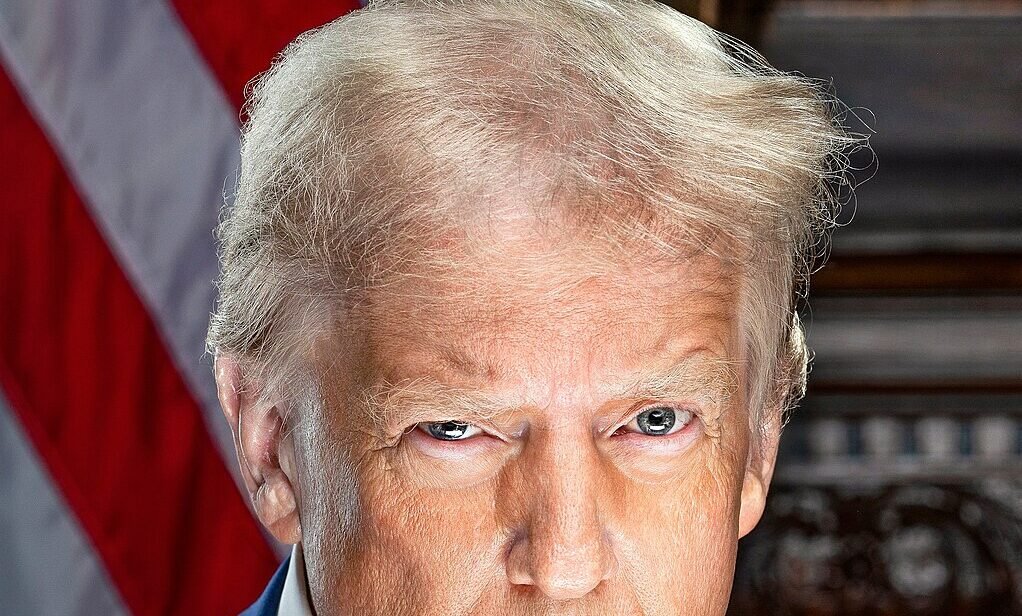
In a major development following heightened tensions, President Donald Trump has announced a two-week ceasefire with Iran, signaling a strategic pause after what he described as the successful completion of key military objectives.
The decision comes after direct conversations with international leaders and marks a shift from escalation to negotiation—on terms shaped by U.S. strength.
🎯 From Pressure to Position of Strength
According to Trump’s official statement, the United States has already:
- Met and exceeded its military objectives
- Established clear leverage in the region
- Forced Iran to engage with a structured proposal
Rather than escalating further, Trump chose to pause from a position of control, allowing negotiations to move forward.
📄 A Deal Taking Shape
The ceasefire follows a 10-point proposal from Iran, which the U.S. now sees as a workable foundation for a broader agreement.
Key condition:
👉 Immediate and safe reopening of the Strait of Hormuz
This is a major strategic win, as the waterway is critical to global energy supply.
Trump emphasized that:
“Almost all major points of contention have already been agreed to.”
🤝 A Calculated Pause—Not a Retreat
Trump described the move as a “double-sided ceasefire”, making it clear that:
- Both sides are expected to halt attacks
- The U.S. retains full readiness if conditions are not met
This is not a concession—it’s a controlled pause to finalize a deal already in progress.
🌍 Global Leadership in Action
The agreement was influenced by discussions with leaders including Pakistan’s Prime Minister and military leadership, showing the U.S. coordinating from a position of authority.
Trump framed the moment as:
👉 A step toward long-term peace in the Middle East
👉 A resolution to a longstanding global issue
⚠️ What This Means Now
- Immediate escalation has been avoided
- Strategic objectives have already been achieved
- Negotiations are moving toward finalization
Most importantly:
👉 The U.S. is now shaping the outcome—not reacting to it
🔍 What Happens Next
Over the next two weeks:
- Final terms of the agreement are expected to be completed
- Compliance with reopening Hormuz will be closely watched
- A longer-term peace framework may emerge
🧠 The Bottom Line
This wasn’t a last-minute reversal.
It was a strategic sequence:
- Apply pressure
- Achieve objectives
- Force negotiations
- Pause to finalize
And now, the focus shifts to locking in a long-term resolution.
About Republican Column: At Republican Column, we bring you breaking U.S. news, politics, and global developments every day to keep you informed.