

April 16, 2026 | Washington / Middle East
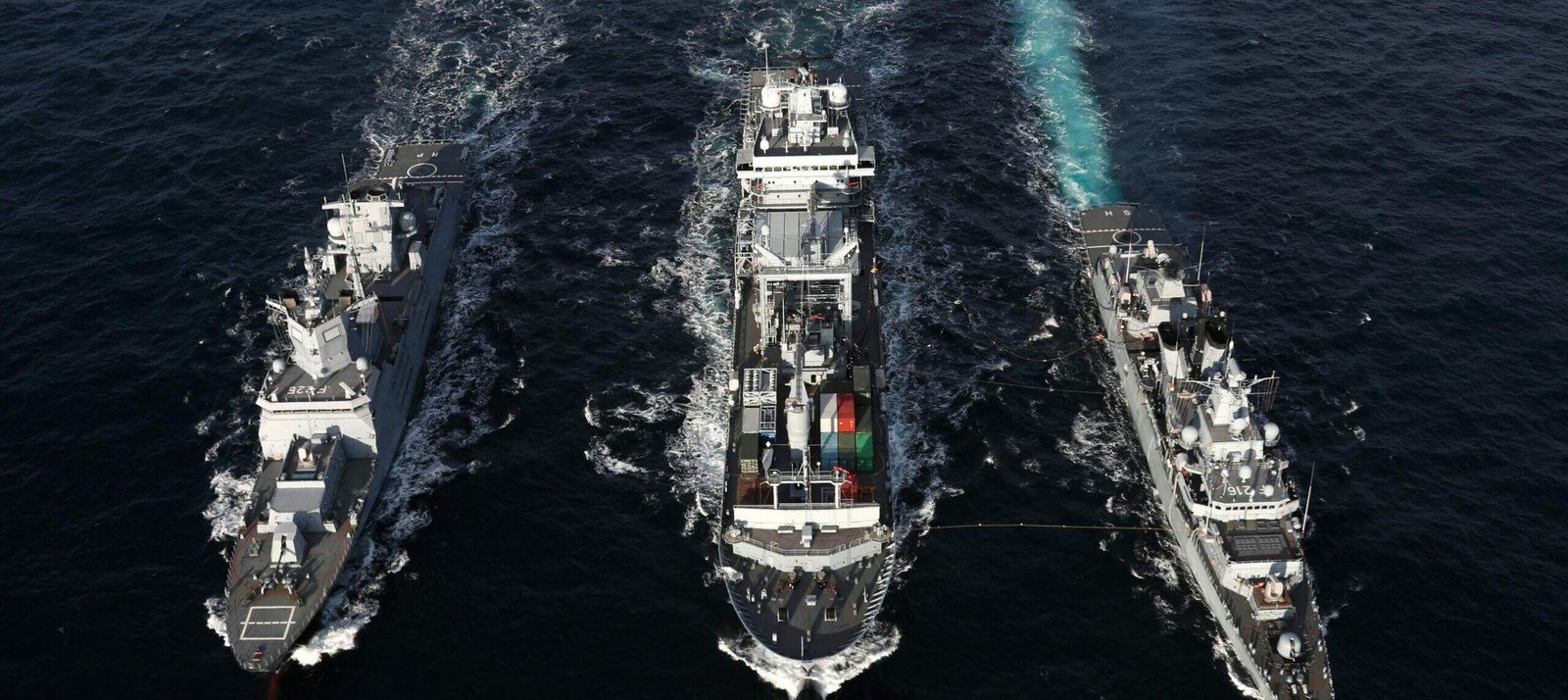
Out in the waters near the Persian Gulf, the message from the U.S. Navy is calm—but firm:
“We will be escorting you… thank you for your cooperation.”
That short transmission says a lot about what’s happening right now. The United States isn’t backing off its blockade of Iran—and officials say it’s starting to have real impact.
⚓ Blockade Continues to Apply Pressure
According to U.S. officials, multiple ships have already turned around after warnings, including vessels attempting to move through sensitive routes like the Strait of Hormuz.
The strategy is simple: limit Iran’s ability to move oil and goods, and increase economic pressure without escalating direct conflict.
Donald Trump made it clear he believes the approach is working:
“They’re willing to do things today they weren’t willing to do two months ago.”
That’s a strong signal that negotiations—however quiet—may be gaining traction.
Ceasefire Brings a Pause—But Not Certainty
At the same time, a 10-day ceasefire between Israel and Lebanon is now underway.
It’s a welcome pause after weeks of tension, especially along areas affected by rocket fire from Hezbollah.
But experts are cautious.
While the Lebanese government is part of the agreement, Hezbollah operates independently—and remains heavily influenced by Iran. That raises a big question: can the ceasefire actually hold?
A Conflict That’s Been Building
Recent weeks have seen intense exchanges, with thousands of rockets reportedly fired toward northern Israel. That kind of activity has kept tensions high and made any ceasefire feel fragile from the start.
Israel, for its part, has signaled it still wants to weaken Hezbollah’s capabilities significantly—meaning this pause could be temporary.
Economic Leverage May Be the Deciding Factor
What makes this moment different is the level of economic pressure.
Iran relies heavily on oil exports, much of which passes through key shipping routes now under close watch. With the blockade in place, that lifeline is under strain.
Some analysts believe this is where the real leverage lies—not just in military strength, but in controlling access to global trade.
Negotiation or Pressure Campaign?
There’s a growing debate around what this actually is.
Is it a negotiation process? Or is it a situation where the U.S. is setting terms and expecting Iran to respond?
Some experts argue it’s closer to the latter—where pressure is doing most of the talking.
Right now, three things are happening at once:
- The blockade is holding steady
- The ceasefire is offering a temporary pause
- And talks may be quietly moving forward
It’s a complicated moment—part diplomacy, part pressure.
About Republican Column: At Republican Column, we bring you breaking U.S. news, politics, and global developments every day to keep you informed.