

April 16, 2026 | Washington / Middle East
There’s a noticeable shift in tone coming out of Washington—and it’s cautiously optimistic.
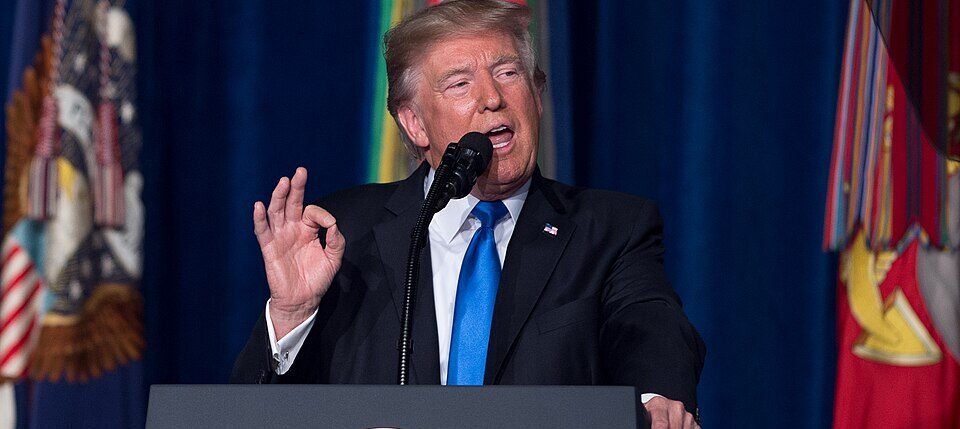
Donald Trump said this week that Iran has agreed to key demands related to its nuclear program, suggesting that a broader deal may not be far off.
It’s a big claim, and while not everything is finalized, the direction of the conversation is clearly changing.
☢️ “They Don’t Have a Nuclear Weapon”
Trump made one point very clear:
“Iran does not have a nuclear weapon… and they’ve agreed to that.”
He also said Iran is willing to return enriched nuclear material—described as being stored deep underground—following recent U.S. military strikes.
If confirmed, that would mark a major step toward easing one of the biggest concerns driving the conflict.
Signs of a Deal Taking Shape
According to U.S. officials, many of the core pieces of a potential agreement are already on the table:
- Limits on Iran’s nuclear activity
- Removal of enriched uranium
- Reduced support for regional militant groups
The message from Washington? Progress is happening—even if it’s not complete yet.
⚓ Pressure Still On: Blockade Strategy Continues
At the same time, the U.S. isn’t easing off.
The ongoing naval pressure around the Strait of Hormuz remains a key part of the strategy. By limiting Iran’s ability to export oil and access global trade, the U.S. is tightening the economic squeeze.
Some analysts believe this pressure is exactly what’s pushing Iran toward negotiations.
The Hezbollah Factor
But the situation isn’t just about Iran.
Tensions involving Hezbollah continue to complicate things. The group remains active in Lebanon, and many believe lasting peace will depend on whether Iran reduces its support.
As one expert put it, cutting that support could weaken Hezbollah significantly—but that’s easier said than done.
Ceasefire Helps, But Questions Remain
The recent ceasefire between Israel and Lebanon is helping create space for talks, but it’s still fragile.
There’s also uncertainty about whether Lebanon’s government can fully enforce it—especially when Hezbollah operates as both a political and military force.
✈️ Pakistan Talks on the Horizon?
One of the more surprising developments: potential peace talks in Pakistan.
Trump even suggested he might personally attend and sign a deal if negotiations move forward quickly.
It’s not confirmed yet—but it shows how seriously the administration is taking this moment.
Economic Pressure May Be the Turning Point
There’s another factor quietly shaping all of this: money.
Reports suggest Iran’s economy has taken a serious hit from recent strikes and restrictions. Rebuilding could take years, and sanctions relief may be the only realistic path forward.
That puts Iran in a tough position—negotiate, or continue under heavy economic strain.
Right now, everything feels like it’s moving—fast.
- The U.S. says progress is real
- Iran appears more open to negotiation
- Pressure tactics are still in full force
It’s not a done deal yet. But compared to just a few weeks ago, the chances of a diplomatic breakthrough seem a lot more real.
And if momentum holds, the next move could be the one that changes everything.
About Republican Column: At Republican Column, we bring you breaking U.S. news, politics, and global developments every day to keep you informed.