

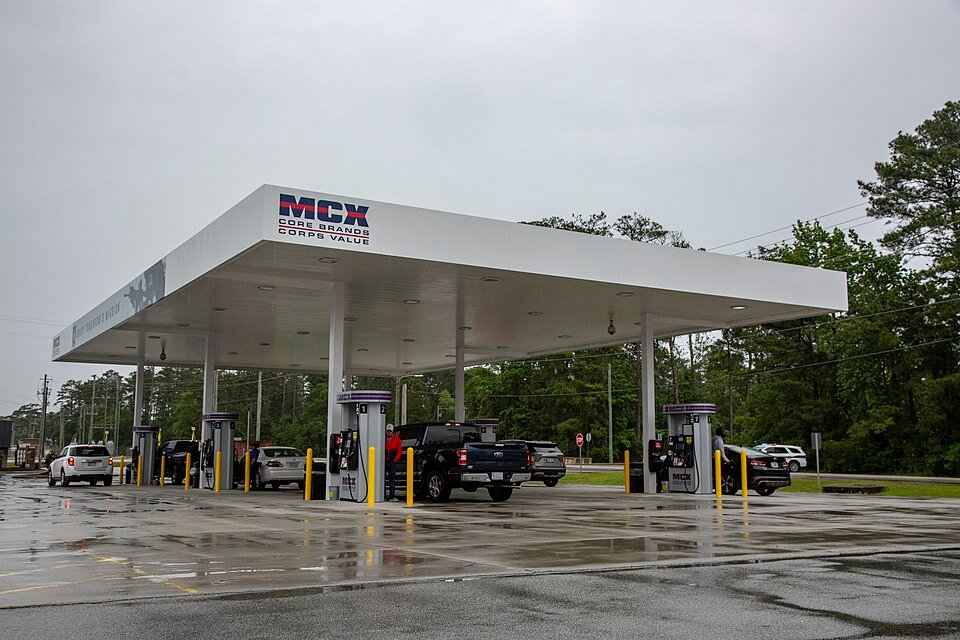
A new spike in U.S. gas prices could be on the horizon as global tensions quietly escalate in key oil‑producing regions. While much of the public focus remains on domestic issues, analysts warn that overseas conflicts—particularly in energy‑critical areas—are beginning to disrupt supply chains and push oil prices higher.
A lesser‑watched global conflict is driving oil prices up, and Americans may soon feel it at the pump.
Story Snapshot
• Global tensions in oil‑producing regions are rising
• Crude oil prices are beginning to climb again
• U.S. gas prices could follow within weeks
• Experts warn Americans may not be prepared for another surge
Why Prices Are Rising Again
Energy markets are highly sensitive to geopolitical instability, especially in regions responsible for large portions of global oil production. Even the threat of disruption—such as conflict near shipping routes or production facilities—can push prices upward.
Recent developments in global conflict zones have raised concerns about supply interruptions. When supply fears increase, oil traders react quickly, driving up crude prices, which eventually translates to higher costs at gas stations across the United States.
The Global Conflict Factor
While many Americans may not be closely following every international conflict, certain regions play an outsized role in global energy supply. Tensions involving major oil exporters or key transit routes—such as shipping lanes—can ripple through the entire global economy.
Experts note that even small disruptions can create a domino effect, especially when global demand remains strong. This makes energy markets particularly vulnerable during periods of geopolitical uncertainty.
What It Means for Americans
If oil prices continue to rise, U.S. consumers could soon see higher prices at the pump. Gas prices typically lag behind crude oil movements, meaning increases may become noticeable over the coming weeks.
Higher fuel costs can also impact:
- Grocery prices (due to transportation costs)
- Airline tickets
- Delivery and logistics services
This creates a broader economic effect, putting additional pressure on household budgets.
Are More Increases Coming?
Analysts say the trajectory of gas prices will largely depend on how the global situation evolves. If tensions escalate or supply disruptions worsen, prices could climb further.
However, if diplomatic efforts stabilize the situation or production increases elsewhere, the impact may be limited.
For now, experts advise keeping a close eye on global developments—even those not making daily headlines—as they can have direct consequences for everyday expenses in the U.S.
Sources
Global oil markets and geopolitical tensions
U.S. Energy Information Administration (EIA) – Fuel price data
About Republican Column: At Republican Column, we bring you breaking U.S. news, politics, and global developments every day to keep you informed.