

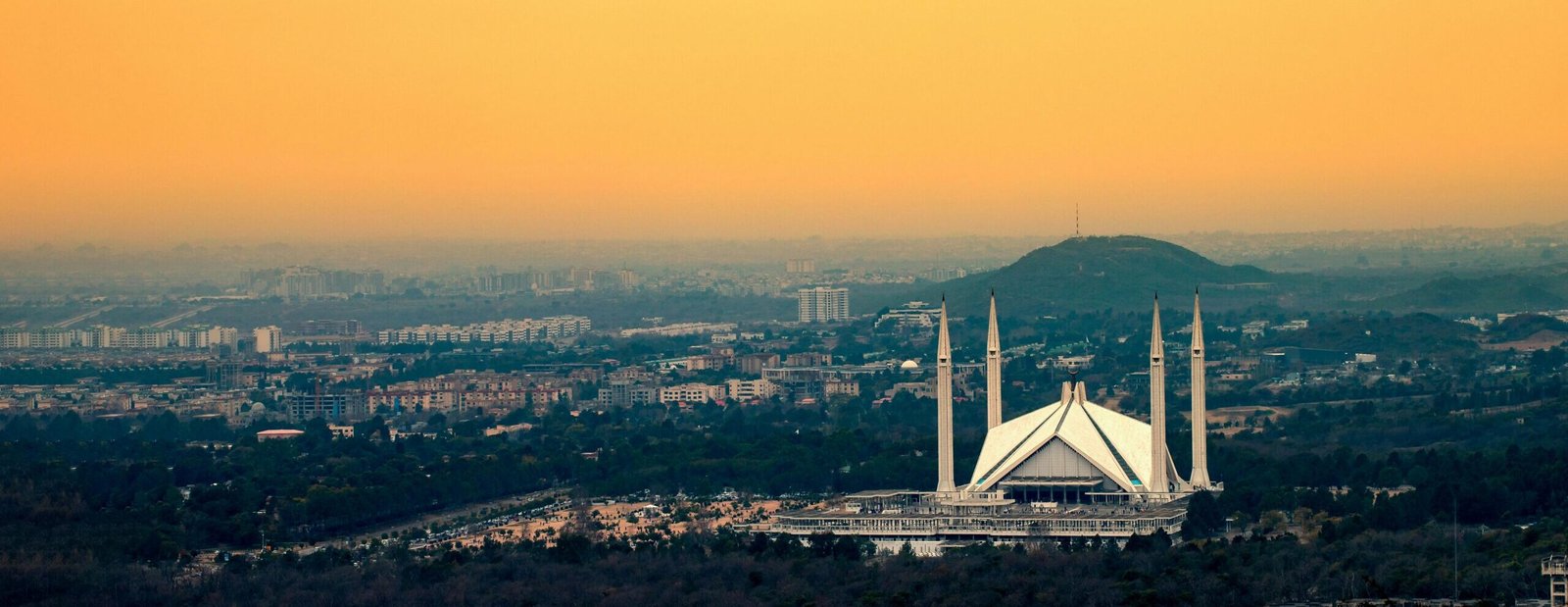
Tensions are running high in Islamabad as the city braces for a planned round of U.S.–Iran negotiations that now hangs in uncertainty.
https://twitter.com/SputnikInt/status/2046183722882404369
While the United States has confirmed its delegation is en route, Iran has made it clear it will not participate, citing ongoing U.S. naval actions as a major obstacle.
Iran Rejects Talks Over Naval Blockade
Iranian officials have taken a firm stance, stating there will be no second round of negotiations as long as the U.S. continues its naval blockade near the Strait of Hormuz.
The move effectively stalls diplomatic efforts aimed at easing tensions in the Gulf region. Analysts say the blockade—and recent military developments—have deepened mistrust between the two sides.
U.S. Delegation Still Moving Ahead
Despite Iran’s refusal, a high-level U.S. delegation is still expected to arrive. The group is reportedly led by Vice President JD Vance and includes Special Envoy Steve Witkoff and Senior Advisor Jared Kushner.
Their arrival signals Washington’s willingness to proceed with diplomatic engagement—even in the absence of Iranian participation.
Massive Security Lockdown in Islamabad
Authorities in Islamabad have rolled out unprecedented security measures ahead of the expected visit:
- The Red Zone—home to key government buildings—has been completely sealed
- Public transport and heavy vehicle movement have been suspended
- Advanced U.S. teams have already landed at Nur Khan Airbase
- Security forces, including Rangers and police, have been deployed across rooftops, bridges, and key crossings
- Major hotels like Serena Hotel and Marriott Hotel have been cleared for official use
- In nearby Rawalpindi, nearly 18,000 personnel—including commandos and sharpshooters—have been deployed
Authorities have also imposed strict restrictions, including a ban on drones, aerial firing, and even pigeon flying to ensure airspace security.
Ceasefire Deadline Looms
The diplomatic standoff comes at a critical moment, with a fragile ceasefire set to expire on April 23. Without progress in talks, the risk of renewed conflict could increase significantly.
With one side arriving and the other refusing to participate, the future of these negotiations remains uncertain. Observers say the coming days will be crucial in determining whether backchannel diplomacy can revive talks—or if tensions will escalate further.
For now, Islamabad remains on edge, caught at the center of a high-stakes geopolitical standoff.
About Republican Column: At Republican Column, we bring you breaking U.S. news, politics, and global developments every day to keep you informed.