

For years, the world has watched the geopolitical chess match between Washington and Tehran. But this week, the game shifted from quiet maneuvering to a loud, grinding halt for the Iranian economy.
As the U.S. naval blockade tightens its grip on the Strait of Hormuz, the numbers coming out of the region aren’t just bad—they’re catastrophic for the regime. We are seeing a masterclass in “maximum pressure,” and for the first time in a long time, it looks like the Iranian leadership is the one blinking first.
By the Numbers: An Industry in Freefall
The data from maritime tracking firms paints a grim picture for Iran’s oil-dependent budget. Just last month, they were moving 1.85 million barrels a day. Today? That number has cratered to roughly 567,000.
But here is the real kicker: Iran is reportedly on the verge of running out of places to put the oil they can’t sell. With storage capacity expected to max out within the next 12 to 22 days, they face a “shut-in” scenario. When you stop pumping oil because the ships aren’t coming, you don’t just lose today’s paycheck—you risk long-term damage to the wells themselves. It’s an economic disaster of their own making.
Don’t Fall for the “Sweetheart Deal”
Sensing the walls closing in, Tehran has floated a proposal: they’ll open the Strait of Hormuz if the U.S. backs off on nuclear negotiations.
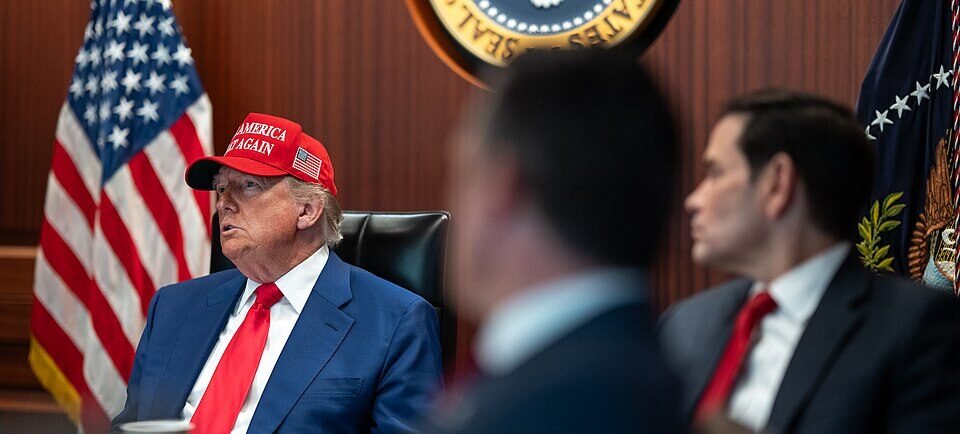
President Trump and Secretary of State Marco Rubio have rightfully called this out for what it is—a desperate stalling tactic. Rubio’s assessment was blunt: Iran wants to hold the world hostage with a nuclear weapon the same way they’ve tried to do with oil. They aren’t looking for peace; they’re looking for a “reset” button so they can keep sprinting toward a bomb.
The Internal Fracture
The most telling sign of the regime’s weakness isn’t the falling oil revenue—it’s the internal panic. Reports suggest the Supreme National Security Council is meeting behind closed doors, terrified that rising prices and unemployment will trigger a new wave of domestic protests.
The Iranian people are tired of seeing their prosperity traded away for regional proxy wars and nuclear ambitions. As the petrochemical and steel industries begin to wobble, the regime’s “fractured leadership” is finding it harder to maintain the facade of control.
The U.S. blockade is proving to be incredibly effective, hitting the regime exactly where it hurts: the wallet. Whether this leads to a definitive deal that ends their nuclear program for good—or a total internal collapse—one thing is certain: the days of Tehran dictating terms to the West are over.
We’ve seen what happens when the U.S. stands firm. Now isn’t the time to let up; it’s the time to ensure that any deal made is one that protects the world from a nuclear-armed rogue state once and for all.
About Republican Column: At Republican Column, we bring you breaking U.S. news, politics, and global developments every day to keep you informed.