

BREAKING — AMERICA FIRST ECONOMY
April 25, 2026 · Republican Column Staff
$500M proposed government loan
90% potential government stake post-bankruptcy
14,000 American jobs on the line
131 planes in Spirit’s fleet
Leave it to Donald Trump to find a way to rescue a bankrupt airline, protect 14,000 American jobs, give the military a new asset, and potentially make taxpayers money — all in the same move. That’s essentially what’s on the table right now, and the legal mechanism he’s reaching for is one of the most powerful tools a president has: the Defense Production Act.
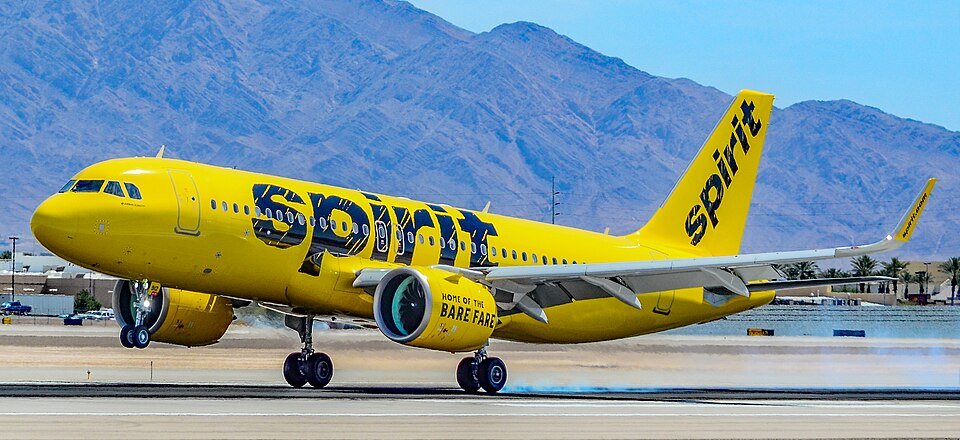
Reports from CBS News and Reuters, confirmed by multiple officials, say the Trump administration is exploring invoking the Defense Production Act as the legal foundation for a Spirit Airlines bailout. Under this framework, the government would lend Spirit $500 million, take a position as the senior bondholder in the bankruptcy, and could end up owning as much as 90% of the airline once it emerges. The fleet — 131 planes, including 48 owned outright — would be available to fly troops, cargo, and government personnel when not in civilian use. It’s not nationalization. It’s a wartime investment with a built-in exit strategy.
Trump spelled out the plan in plain terms: “I think we just buy it. We’d be getting it virtually debt-free. They have some good aircraft, good assets — and when the price of oil goes down, we’ll sell it for a profit. I’d love to be able to save those jobs.”
“We are looking at Spirit. It’s in bankruptcy court. We are looking — if we can get it for the right price, I would do it to save the jobs. And we have somebody who wants to run it. If they run it properly and if prices come down, all of a sudden it’s a valuable asset.”
President Donald Trump, April 24, 2026
So what exactly is the Defense Production Act? It’s a Korean War-era emergency law — passed in 1950 — that gives the president sweeping authority to direct the private sector in ways that serve national defense. Title 3 specifically allows the government to invest in industrial capacity and extend loans to private firms when supply chains for national security are at stake. The Iran war has closed the Strait of Hormuz, sent jet fuel costs through the roof, and put every budget carrier in America under financial pressure. The administration’s argument is straightforward: a wartime environment that is actively destroying an American airline is exactly the kind of situation this law was designed for.
Spirit’s situation is genuinely dire. The airline has declared bankruptcy twice in two years — once in 2024 and again in August 2025. Biden’s DOJ bears significant responsibility here: it blocked Spirit’s merger with JetBlue in 2023, denying the struggling carrier the lifeline it needed. Now, with jet fuel costs nearly doubling due to the Iran conflict, Spirit’s creditors are watching the clock. A lawyer for the company told a bankruptcy court this week that the airline needs new financing or access to its restricted cash within days — not weeks.
Commerce Secretary Howard Lutnick has been the administration’s internal champion for the deal, arguing that allowing Spirit to liquidate during a wartime energy crisis would be a self-inflicted wound. Transportation Secretary Sean Duffy has been more cautious, worried about precedent. That internal debate is healthy — it’s the kind of pushback that sharpens a policy before it goes final. But the direction is clear: Trump wants this done.
The military angle is what makes this genuinely different from a standard bailout. Spirit’s fleet wouldn’t just sit idle as a government asset — it would serve a real purpose, augmenting the Pentagon’s airlift capacity at a time when the military is stretched across multiple theaters. That’s not a political talking point. That’s a legitimate national security argument, and it’s one that gives the Defense Production Act invocation a solid legal footing.
Spirit itself is on board. The airline said in a statement it is “grateful for President Trump’s support” and looks forward to working with the administration on “a solution that protects thousands of jobs, preserves and enhances competition, and helps ensure Americans continue to have access to affordable fares.”
The left will complain this is government overreach. They didn’t complain when Biden spent years handing out corporate favors to politically connected industries. The difference here is Trump is using a wartime law during a war, to protect American workers, with a plan to turn a profit for taxpayers. That’s not overreach. That’s called running the country like a businessman — which is exactly what he promised to do.
About Republican Column: At Republican Column, we bring you breaking U.S. news, politics, and global developments every day to keep you informed.