

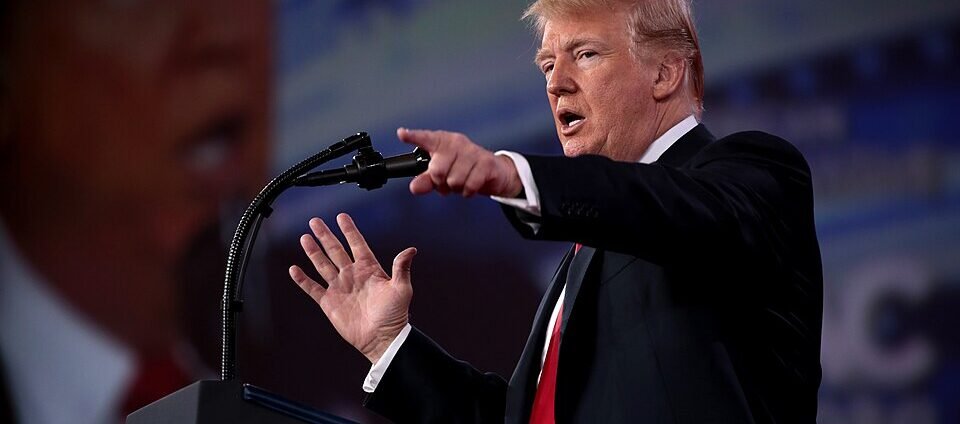
President Donald Trump has sharply criticized ABC News over its reporting on renovations to the Lincoln Memorial Reflecting Pool, arguing the network’s coverage misrepresented the project and unfairly portrayed his administration.
In public remarks, Trump suggested he is prepared to pursue additional legal action if he believes inaccurate reporting continues, extending a broader pattern of disputes between the president and several national media organizations.
As of publication, no new lawsuit related to the Reflecting Pool coverage had been publicly filed. ABC News has continued to stand by its reporting.
More Than a Single News Story
While the disagreement centers on one report, it reflects a much larger debate that has shaped American politics for years: how public officials respond to reporting they believe is inaccurate and where the line exists between vigorous journalism and reputational harm.
Trump has consistently argued that major news organizations should be held accountable when they publish information he believes is incomplete or misleading. His supporters often view these challenges as an effort to increase media accountability, while critics argue that repeated legal threats can place added pressure on news organizations covering public officials.
Those competing views have become a defining feature of today’s political environment, where trust in the media remains deeply divided.
Why the Reflecting Pool Story Matters
The Lincoln Memorial Reflecting Pool is one of the nation’s most recognizable public landmarks and regularly undergoes maintenance and preservation work managed by federal agencies.
Because of its symbolic importance, reports involving restoration projects often attract significant public attention. Trump contends that ABC’s reporting failed to accurately represent aspects of the renovation, leading him to publicly dispute the network’s account.
Although disagreements over individual news stories are not uncommon, they increasingly play out in both courtrooms and the court of public opinion, particularly when they involve high-profile political figures.
A Growing Trend of Media Litigation
Legal disputes between politicians and media organizations have become more visible in recent years, reflecting heightened scrutiny of both journalism and public officials.
Constitutional law experts frequently note that defamation cases involving public figures face a demanding legal standard under U.S. law. To succeed, plaintiffs generally must demonstrate not only that reporting was false but also that it met the legal threshold established for public officials.
For that reason, many high-profile disputes extend beyond the courtroom, influencing broader conversations about media standards, public trust, and transparency.
Why This Story Extends Beyond Trump and ABC
Regardless of the outcome of any legal action, the dispute highlights an issue likely to remain relevant long after this particular disagreement fades.
Americans increasingly rely on a wide range of news sources, making questions about accuracy, editorial standards, corrections, and accountability central to public confidence in journalism.
Political leaders, media organizations, and readers all have a stake in maintaining trust, particularly during periods of intense public debate.
Looking Ahead
Whether Trump’s latest criticism develops into formal legal proceedings remains uncertain.
What is clear is that disputes between political leaders and major media organizations continue to shape the national conversation—not only about politics, but also about how journalism is practiced, challenged, and evaluated in an increasingly polarized media landscape.
About Republican Column: At Republican Column, we bring you breaking U.S. news, politics, and global developments every day to keep you informed.