

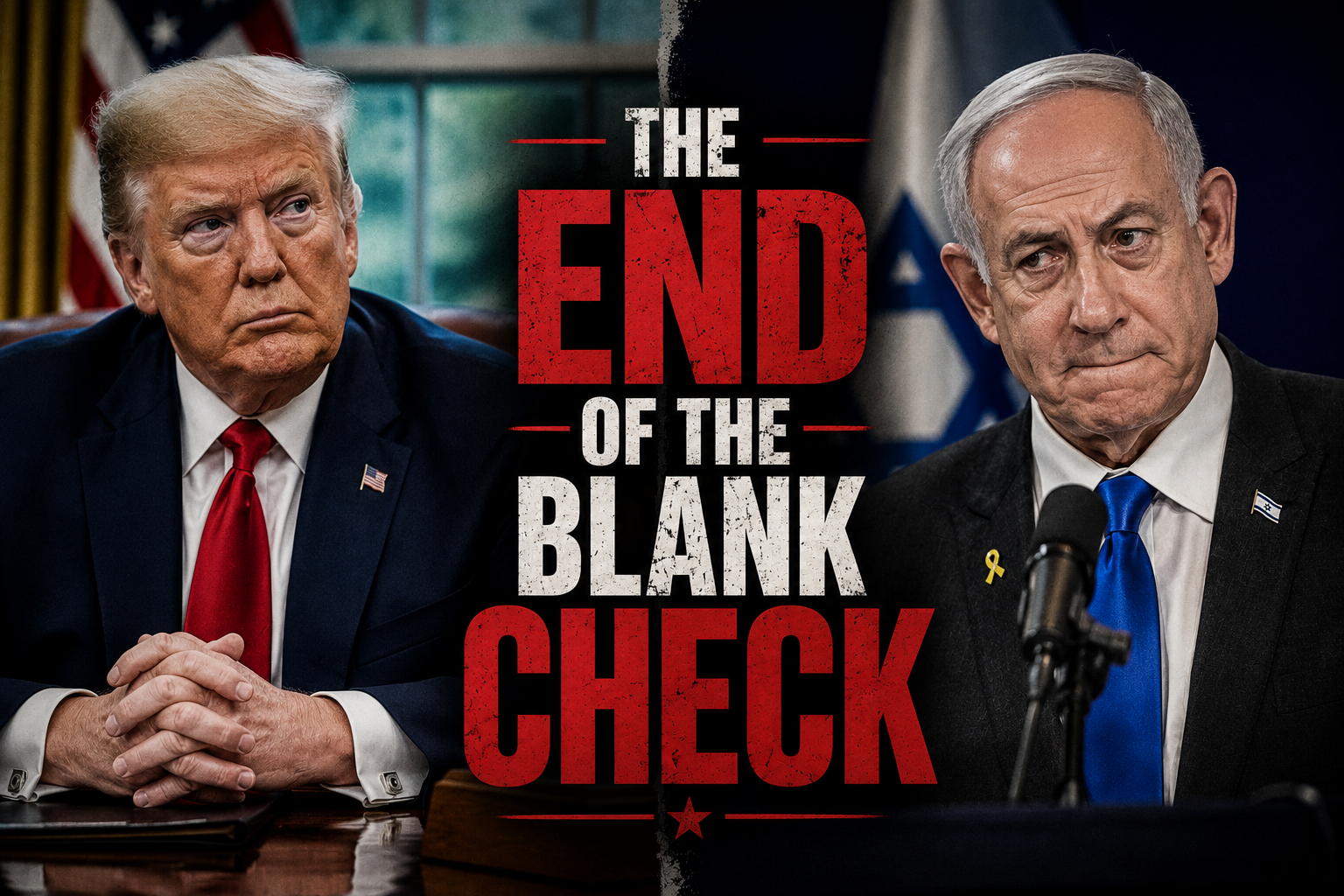
The relationship between the United States and Israel has long been one of Washington’s most consequential foreign policy partnerships. Yet recent disagreements between President Donald Trump and Israeli Prime Minister Benjamin Netanyahu have highlighted a changing political landscape—one in which both leaders face new pressures at home while navigating a rapidly evolving Middle East.
As ceasefire negotiations, regional security concerns, and Iran-related tensions continue to dominate headlines, analysts are increasingly focused on a broader question: How much influence does the White House have over Israeli decision-making, and how has that balance changed in recent years?
A More Direct Relationship Between Washington and Jerusalem
Historically, disagreements between American and Israeli leaders have occurred under administrations of both parties. While the two nations maintain close military, intelligence, and diplomatic ties, differences over strategy have emerged at various points regarding settlements, regional conflicts, and negotiations with neighboring states.
Recent reports suggest that the Trump administration has taken a particularly direct approach in communicating its expectations regarding military operations and regional diplomacy.
The administration has emphasized several priorities:
- Preventing a wider regional war
- Maintaining freedom of navigation through key shipping routes
- Limiting the risk of direct confrontation between major powers
- Preserving leverage for future diplomatic negotiations
These goals have occasionally created tension with leaders inside Israel who favor a more aggressive military posture toward Iran and its regional proxy networks.
Domestic Political Pressures on Both Leaders
The latest disagreements cannot be viewed solely through a foreign policy lens.
Both Trump and Netanyahu are operating within complex domestic political environments.
For Trump, the America First coalition includes voters who strongly support Israel while also expressing skepticism toward prolonged foreign military commitments. Many Republican voters increasingly favor policies that prioritize deterrence and regional stability without expanding direct U.S. military involvement.
For Netanyahu, security concerns remain a central issue in Israeli politics. Any decision regarding Iran, Hezbollah, or regional military operations carries significant political consequences within Israel’s own coalition system.
As a result, both leaders face pressure from supporters who may agree on broader security goals while differing on the methods used to achieve them.
A Republican Party That Looks Different Than It Did a Decade Ago
One of the most notable developments in Washington is the transformation of the Republican Party’s foreign policy debate.
During previous decades, disagreements between Congress and the White House on Middle East policy were more common. Lawmakers often operated independently when discussing military aid, regional security, and diplomatic initiatives.
Today, many observers argue that the party has become more closely aligned with Trump’s broader foreign policy framework.
That framework generally emphasizes:
- Strategic deterrence
- Reduced U.S. involvement in open-ended conflicts
- Strong support for allies
- Greater scrutiny of overseas military commitments
- Negotiations backed by economic and military leverage
Whether supporters or critics agree with this approach, it has clearly reshaped debates within the Republican Party.
What This Means for U.S.-Israel Relations
Despite recent tensions, few analysts expect a fundamental break in U.S.-Israel relations.
Military cooperation remains extensive. Intelligence sharing continues at high levels. Both governments continue to view Iran’s nuclear ambitions and regional influence as major security concerns.
The more significant question may be how future disagreements are managed.
The current dynamic suggests a relationship increasingly driven by strategic calculations rather than assumptions of automatic alignment on every issue.
Supporters argue this approach allows Washington to maintain greater flexibility while still supporting a key regional ally. Critics contend it could create uncertainty during periods of heightened regional instability.
Either way, the discussion reflects a broader shift in American foreign policy thinking—one that places greater emphasis on defining specific U.S. interests while balancing alliance commitments.
Looking Ahead
The coming months will provide a clearer picture of whether recent tensions represent a temporary disagreement or part of a larger realignment in the U.S.-Israel relationship.
For now, the evidence suggests that both Washington and Jerusalem remain committed to their long-standing partnership, even as they navigate difficult questions about military strategy, diplomacy, and regional security.
In an increasingly volatile Middle East, the challenge for both leaders will be finding common ground between immediate security concerns and the long-term goal of regional stability.
You can review a deeper visual analysis of the raw geopolitical fallout and hear directly from regional political correspondents by watching this comprehensive Reuters Video Report on the Trump-Netanyahu Relationship Rift
. This segment details the specific friction points surrounding the regional ceasefires and breaks down how Trump’s direct, unscripted rhetoric is reshaping the balance of power across the Middle East.
Sources & Further Reading
U.S.-Israel Relations & Political Analysis
- The Washington Post Politics – Reporting and analysis covering U.S. political dynamics, foreign policy debates, and developments involving the Trump administration and Israel.
- The Guardian – Middle East – Coverage of regional security developments, diplomatic negotiations, and the evolving relationship between Israel, Iran, and the United States.
Regional Security & Strategic Context
- The Times of Israel – Reporting on Israeli politics, security policy, coalition dynamics, and regional military developments.
- Carnegie Endowment for International Peace – Expert analysis and research on Middle East diplomacy, regional security, and U.S. foreign policy.
Editorial Note: Readers are encouraged to review multiple sources and perspectives when evaluating complex international developments and geopolitical events.
About Republican Column: At Republican Column, we bring you breaking U.S. news, politics, and global developments every day to keep you informed.
Israel is squarely in the middle of Muslim countries and Bibi Netanyahu knows the consequences of living amongst people who hate Jews! He was in the military and understands the threats from his neighbors! He has every right to plan the future of Israel and the Israeli people! He does NOT need President Trump looking over his shoulder and telling him how to try to keep the wolves at bay! I love Trump’s policies and muck of his foreign interactions. However, he has been playing pussyfoot with the Iranian mullahs and IRGC for far too long! It is time to “finish the job we started” Feb 28th! Let Bibi run Israel as he deems necessary!
Buzz Buvinghausen – US Air Force pilot with 116 combat missions in Vietnam