

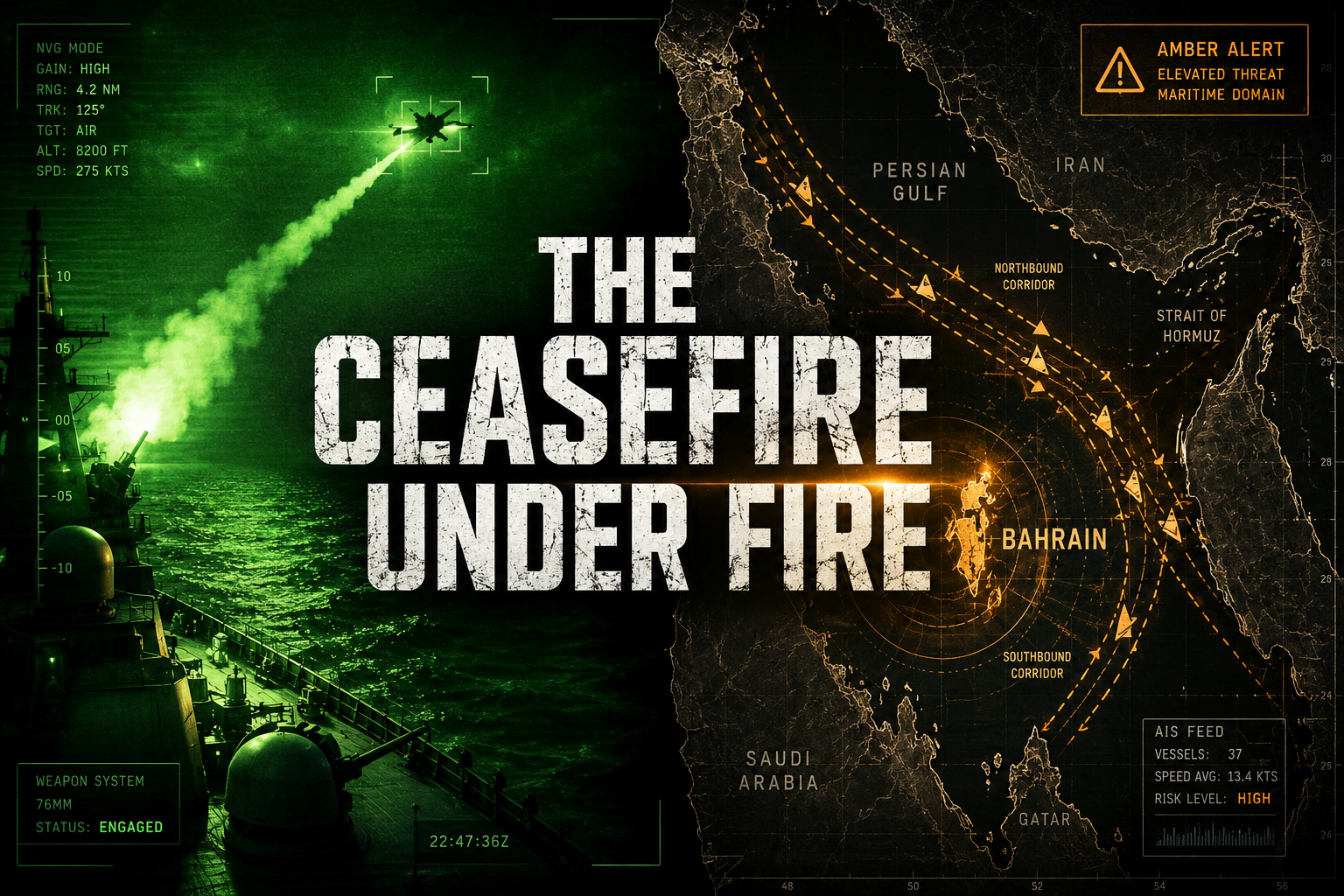
For nearly two weeks, hopes for a fragile peace between the United States and Iran have rested on a delicate diplomatic framework aimed at reducing tensions and restoring stability to one of the world’s most important shipping corridors.
Now, that progress is facing its first major test.
A commercial oil tanker operating near Bahrain was struck by what officials believe was an explosive drone, raising fresh concerns about security in the Persian Gulf just as negotiators continue working on the next phase of the U.S.-Iran agreement.
The incident has reignited questions about whether isolated attacks by regional militant groups—or other actors seeking to derail negotiations—could threaten the broader ceasefire before a permanent agreement is finalized.
A Tanker Hit in a Critical Waterway
According to maritime security agencies, the vessel was attacked northwest of Bahrain while transiting one of the world’s busiest energy routes.
The explosion caused localized damage and a small fire aboard the ship, but onboard fire suppression systems quickly contained the blaze. The crew remained safe, and the tanker continued its voyage under its own power.
Although no organization immediately claimed responsibility, investigators are working to determine who launched the drone and whether the strike was intended to disrupt the ongoing diplomatic process.
The attack comes as technical negotiators continue discussions over the next phase of the U.S.-Iran framework, including nuclear monitoring measures, sanctions relief, and maritime security arrangements.
An Investigation Before Conclusions
Security analysts caution against drawing immediate conclusions about responsibility.
Several possibilities remain under consideration, including:
- Independent regional militant groups seeking to undermine negotiations.
- Iran-backed proxy organizations acting without direct authorization.
- Other actors attempting to provoke renewed military confrontation.
- A coordinated effort designed specifically to derail diplomatic progress.
Officials from multiple governments have emphasized that the investigation remains ongoing and that attribution will depend on intelligence gathered over the coming days.
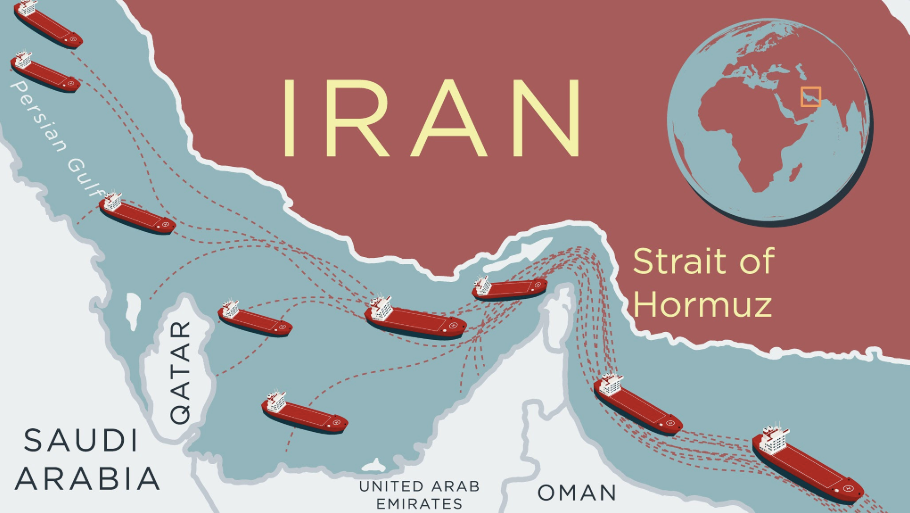
The Vulnerable Choke Point: The Persian Gulf shipping lanes under hyper-vigilant naval watch.. Source: Eva Sanabria / Getty Images
Washington Faces a Difficult Balance
The incident places U.S. policymakers in a familiar position: responding firmly to attacks while avoiding actions that could unintentionally collapse the diplomatic process.
American military assets remain deployed throughout the region, providing continued protection for commercial shipping lanes while monitoring potential threats.
Administration officials have reiterated that sanctions relief and future economic concessions remain tied to verified compliance with the broader agreement. Any confirmed violation could significantly alter the diplomatic path forward.
For now, the priority appears to be protecting maritime traffic while allowing investigators to establish responsibility before major policy decisions are made.
Why Markets Are Watching Closely
Even though physical damage from the attack was limited, financial markets reacted quickly.
The Strait of Hormuz handles roughly one-fifth of the world’s traded oil, meaning any disruption—or even the perception of increased risk—can affect:
- Global crude oil prices.
- Marine insurance premiums.
- Commercial shipping costs.
- Fuel prices paid by consumers around the world.
Energy analysts say maintaining confidence in the safety of Gulf shipping routes remains essential for keeping markets stable.
The Next Test for Diplomacy
Whether this attack proves to be an isolated incident or the beginning of a broader escalation may determine the future of the current ceasefire.
If negotiators can continue talks while maritime security remains intact, the diplomatic process may survive its first major challenge.
If additional attacks follow, pressure will likely grow on both Washington and Tehran to respond more aggressively, increasing the risk that negotiations could unravel before a long-term agreement is reached.
For now, investigators continue searching for answers while diplomats attempt to keep the peace process moving forward—despite the latest reminder of how fragile stability in the region remains.
📚 Sources & References
The information in this article is based on reporting and updates from the following sources:
- The Washington Post – Coverage of the reported tanker attack and its implications for regional security.
- United Kingdom Maritime Trade Operations (UKMTO) – Maritime security advisories and incident reports from the Persian Gulf.
- Bloomberg – Analysis of oil markets, shipping, and the impact on global energy prices.
- Swiss Federal Department of Foreign Affairs (FDFA) – Information regarding diplomatic discussions and negotiations hosted in Switzerland.
About Republican Column: At Republican Column, we bring you breaking U.S. news, politics, and global developments every day to keep you informed.