

After several days of military escalation that raised fears of a wider regional conflict, the United States and Iran now appear to be returning to the negotiating table.
President Donald Trump announced Monday that Iranian officials requested a diplomatic meeting, which is expected to take place in Doha, Qatar. According to the White House, the discussions will focus on maintaining the ceasefire, protecting commercial shipping through the Strait of Hormuz, and continuing negotiations over Iran’s nuclear program.
The announcement follows a tense weekend in which both countries exchanged military strikes after attacks on commercial vessels in the Persian Gulf.
While the immediate fighting appears to have paused, the coming negotiations may prove just as important as the military response itself.
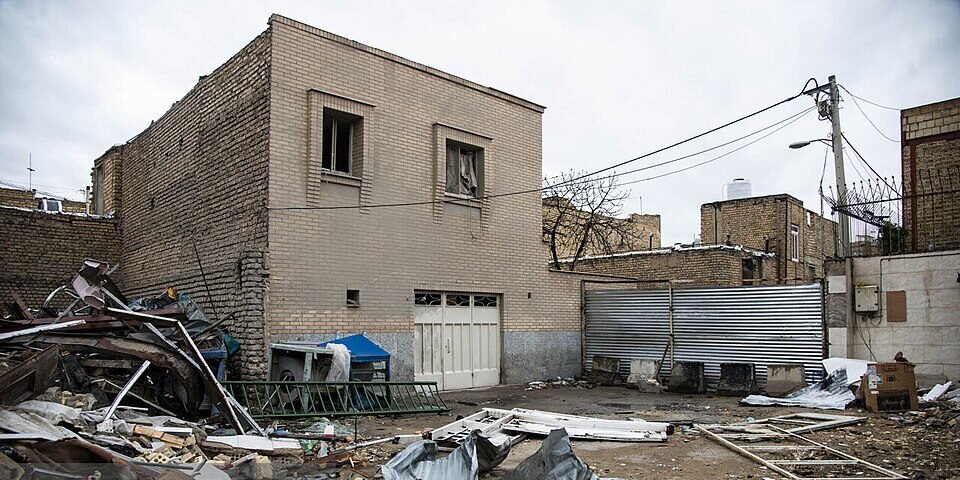
The latest crisis began after commercial shipping in the Strait of Hormuz came under attack. The United States responded with military strikes targeting Iranian assets, prompting Iran to launch missiles and drones toward regional locations including Bahrain and Kuwait.
Although the exchange marked one of the most serious confrontations between Washington and Tehran in recent months, both governments have since indicated they are willing to pursue diplomacy before the situation escalates further.
White House Press Secretary Karoline Leavitt said the United States remains committed to the ceasefire but warned that any additional attacks on American interests or commercial shipping would receive a response.
That message reflects the administration’s current approach: maintain military deterrence while leaving the door open for negotiations.
Why the Strait of Hormuz Matters
The Strait of Hormuz is one of the world’s most strategically important waterways.
Roughly one-fifth of global oil shipments pass through the narrow passage connecting the Persian Gulf to international markets. Any disruption can quickly affect energy prices, shipping costs, and global supply chains.
Because of its economic importance, even limited military activity in the region often attracts international attention from governments, energy companies, and financial markets.
Keeping this route open remains one of Washington’s primary objectives regardless of which administration is in office.
Why Doha?
Qatar has frequently served as a neutral location for sensitive diplomatic negotiations involving the United States and Middle Eastern governments.
Holding discussions in Doha allows both sides to communicate through an established diplomatic channel while reducing the political pressure that often accompanies meetings held in either Washington or Tehran.
Officials indicated that senior American representatives are expected to participate in the talks alongside technical experts working on nuclear verification and inspection issues.
The Nuclear Question Returns
Although recent headlines have focused on military activity, the broader dispute continues to center on Iran’s nuclear program.
According to administration officials, upcoming discussions are expected to include topics such as international inspections, uranium enrichment levels, and mechanisms designed to ensure Iran cannot develop a nuclear weapon.
These technical negotiations often receive less public attention than military developments, but they frequently determine whether diplomatic agreements ultimately succeed or fail.
Several important questions remain unanswered.
Will both sides continue honoring the ceasefire?
Can negotiators make progress on nuclear verification?
Will commercial shipping in the Strait of Hormuz remain secure?
And perhaps most importantly, will this week’s talks produce a longer-term framework for reducing tensions, or simply delay another round of confrontation?
Those questions are likely to shape U.S. foreign policy discussions throughout the coming weeks.
The shift from military action back to diplomacy illustrates a familiar pattern in international crises. Military pressure may alter the strategic environment, but lasting stability generally depends on sustained negotiations and enforceable agreements.
President Trump’s announcement suggests both governments currently see value in returning to dialogue rather than allowing the latest confrontation to expand further.
Whether the Doha meeting represents the beginning of a broader diplomatic breakthrough or only a temporary pause in hostilities will depend less on public statements and more on the concrete commitments that emerge from the negotiations.
For now, markets, allies, and observers across the Middle East will be watching closely to see whether diplomacy can build on the fragile ceasefire established over the weekend.
About Republican Column: At Republican Column, we bring you breaking U.S. news, politics, and global developments every day to keep you informed.