

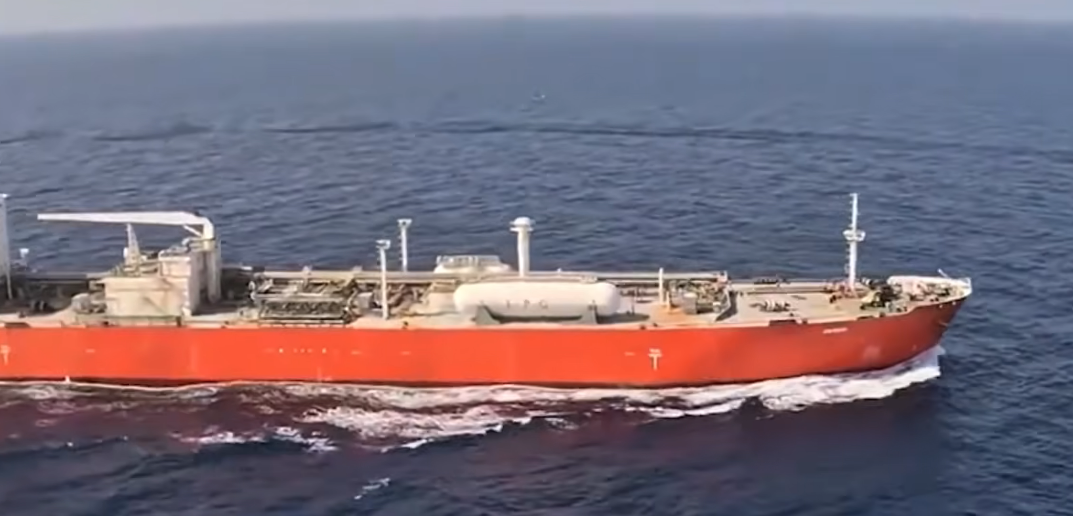
A deadly tanker attack sends oil markets and Washington into another tense standoff.
Trump, Iran and the Battle for the Strait of Hormuz
The Strait of Hormuz has once again become a focal point in the Middle East crisis after Iranian missiles struck two UAE-flagged tankers in Omani territorial waters, killing an Indian crew member and injuring eight others. Both vessels caught fire, according to UAE officials.
The attack has placed fresh pressure on President Donald Trump as Washington weighs how to protect international shipping without allowing another dangerous escalation to spiral beyond control.
For Trump supporters, the incident reinforces a familiar argument: deterrence depends on convincing adversaries that attacks on commercial shipping and regional security will carry serious consequences.
A Vital Waterway Under Pressure
The Strait of Hormuz is one of the world’s most important energy routes. Disruptions there can quickly affect shipping costs, insurance premiums and global oil markets.
That makes every attack on commercial vessels more than a regional security story.
It can become an economic story for Americans watching gasoline and household costs.
The latest strikes have already intensified concerns about the future of commercial traffic through the waterway. Reporting indicated that shipping activity had fallen sharply as companies assessed the risks.
Trump Faces a Difficult Test
Trump has consistently promoted a foreign-policy philosophy built around strength, deterrence and negotiations backed by American economic and military power.
His supporters argue that this approach gives Washington greater leverage than either endless military intervention or diplomacy without credible pressure.
But the Hormuz crisis presents a complicated test.
Protecting commercial shipping requires American involvement, yet direct confrontation with Iranian forces could create additional risks for U.S. personnel and regional allies.
That tension leaves the administration facing a difficult balancing act.
The objective is not simply to demonstrate American strength. It is to use that strength without allowing the situation to become an open-ended conflict.
Why Energy Independence Matters
The crisis also puts renewed attention on Trump’s emphasis on American energy production.
Greater domestic production cannot completely shield the United States from global oil prices because petroleum is traded in an interconnected international market.
However, supporters of the America First approach argue that stronger domestic production improves America’s strategic position and reduces vulnerability to foreign disruptions.
Their message is straightforward: America should produce more of the energy it needs while strengthening domestic manufacturing and infrastructure.
For MAGA voters, energy security is therefore closely connected to national security.
The Bigger Political Question
The debate over Hormuz is ultimately becoming a debate over what Americans expect from their president.
Should Washington respond with overwhelming pressure?
Should it prioritize negotiations?
How much responsibility should regional allies carry?
And how can the United States protect international commerce without becoming trapped in another prolonged Middle Eastern conflict?
Trump’s supporters believe his preference for pressure combined with diplomacy offers a different path from the interventionist policies of previous decades.
Critics remain skeptical, arguing that military pressure can create unpredictable consequences.
Those disagreements are unlikely to disappear while commercial ships remain vulnerable.
A Moment That Could Define the Strategy
The tanker attacks have transformed another regional confrontation into a major test of American foreign policy.
The immediate priority is protecting civilian shipping and preventing further casualties.
For Trump and his supporters, the longer-term goal is broader: establish enough deterrence to convince Iran and other regional actors that attacks on international commerce cannot become a sustainable strategy.
Whether Washington can achieve that without triggering a wider war will determine how Trump’s “Peace Through Strength” doctrine is judged.
For now, the Strait of Hormuz remains tense, global markets remain watchful and the next American move could prove consequential far beyond the Middle East.
About Republican Column: At Republican Column, we bring you breaking U.S. news, politics, and global developments every day to keep you informed.
The obvious answer is to make every attack extremely painful. Take out part of Kharg Island!