

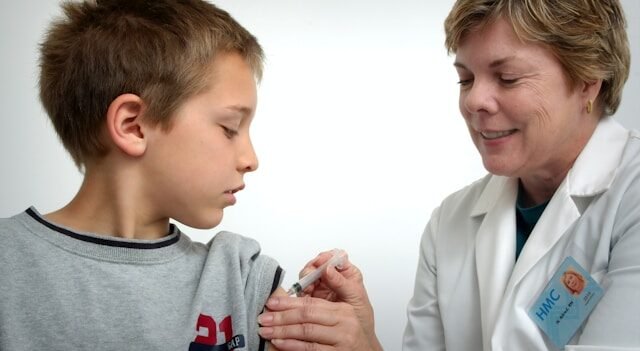
Healthcare facilities in Dhaka struggle with patient surges while public health officials debate emergency declarations amid renewed immunization campaigns
Surge in Cases Strains Healthcare Facilities
Bangladesh is experiencing its most severe measles outbreak since 2005, putting immense pressure on healthcare facilities across the country. Despite measles being a vaccine‑preventable viral infection, hospitals in major urban centers, particularly Dhaka, are reporting overflowing wards and emergency conditions
Families are traveling long distances from rural districts to secure treatment in the capital. The surge has led to crowding at state‑run medical centers, where families often face delays and referrals between facilities while attempting to secure admission for sick children.
One parent at Victoria Hospital described the journey to secure care for his nine‑month‑old son. After the infant developed a high fever and stomach complications, doctors confirmed a measles diagnosis and transferred the patient to a specialized facility in Dhaka. While the child’s condition has stabilized, ongoing inpatient care remains necessary.
Roots of the Immunization Gap
Public health observers attribute the current surge to compounding disruptions in the national routine immunization program over recent years. Beginning around 2022, vaccine procurement dropped significantly as resources were redirected to respond to the COVID‑19 pandemic.
Subsequent political unrest and administrative disruptions further hindered supply chain logistics and community distribution networks. The resulting decline in vaccination coverage left a substantial population of young children vulnerable to infection, creating the conditions for widespread transmission.
Secondary Complications Add Pressure
Medical staff on the front lines report that the healthcare burden is exacerbated by secondary infections following initial measles diagnoses. Because measles weakens the immune system, recovering children face heightened susceptibility to additional respiratory illnesses.
Physicians note that many children previously admitted for measles are returning to emergency departments with seasonal influenza and severe pneumonia. These post‑measles complications have increased readmission rates and extended average hospital stays, compounding the strain on pediatric care units.
Vaccination Drives and Public Health Response
In response to the growing crisis, government health authorities initiated a nationwide vaccination drive running from early April through the end of May. Officials have scheduled a follow‑up immunization campaign set to launch by the end of the month to target unimmunized and under‑vaccinated children across affected regions.
Debate remains among medical and public health authorities regarding the official policy response:
- Public Health Advocates: Several officials argue that the government should formally declare a state of medical emergency to mobilize emergency funding, streamline medicine distribution, and accelerate international assistance.
- Medical Professionals: Other experts contend that an emergency declaration is unnecessary, maintaining that existing health infrastructure can manage the patient load if routine immunization coverage is rapidly restored and post‑infection complications are managed effectively.
Health experts stress that sustained routine immunization campaigns remain the primary mechanism to control the current outbreak and prevent similar public health crises in the future.
International and Regional Concerns
The outbreak has drawn attention from international health organizations, which warn that measles remains one of the most contagious viral diseases globally. Neighboring countries are monitoring the situation closely, given the potential for cross‑border transmission.
Global health agencies emphasize that measles outbreaks often signal broader weaknesses in immunization systems. They urge Bangladesh to strengthen vaccine supply chains, improve outreach in rural areas, and ensure consistent funding for routine immunization programs.
Community Impact and Human Stories
Beyond the statistics, the outbreak has deeply affected families across Bangladesh. Parents describe the anxiety of watching children suffer from high fevers, rashes, and respiratory complications. Many recount long journeys to reach hospitals, only to face overcrowded wards and limited resources.
Community health workers have stepped in to provide support, conducting door‑to‑door awareness campaigns and encouraging families to participate in vaccination drives. Local NGOs are also distributing hygiene kits and nutritional supplements to help children recover more quickly.
Looking Ahead
As Bangladesh confronts this public health emergency, the path forward hinges on restoring confidence in vaccination programs and ensuring that routine immunization coverage reaches all children. Experts agree that without sustained investment and community engagement, the risk of recurring outbreaks will remain high.
The government’s immediate challenge is balancing emergency response with long‑term resilience. Hospitals must manage the current surge while vaccination campaigns aim to close immunity gaps. International partners are expected to provide technical and financial assistance, but the ultimate responsibility lies with national authorities to rebuild trust and infrastructure.
Bangladesh’s measles outbreak underscores the critical importance of routine immunization and resilient health systems. While hospitals struggle under the weight of patient surges, renewed vaccination campaigns offer hope for containment. The debate over declaring a medical emergency reflects broader questions about preparedness and governance.
For families across the country, the crisis is a reminder of how quickly preventable diseases can resurface when immunization coverage falters. Sustained commitment to vaccination, community outreach, and healthcare investment will be essential to prevent future outbreaks and safeguard public health.
About Republican Column: At Republican Column, we bring you breaking U.S. news, politics, and global developments every day to keep you informed.