

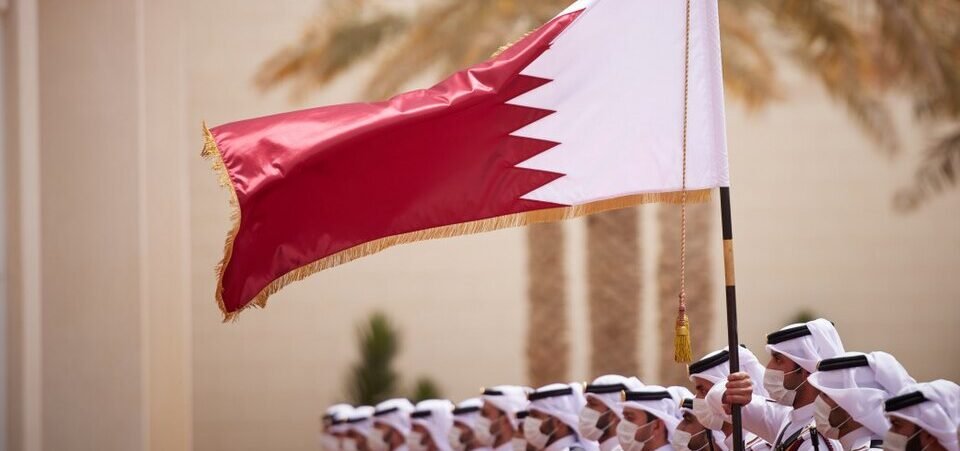
Doha highlights diplomacy, maritime security and humanitarian efforts amid regional tensions.
Qatar’s Foreign Ministry outlines diplomatic efforts and calls for the unconditional reopening of the Strait of Hormuz amid continuing regional tensions.
Qatar has called for the unconditional reopening of the Strait of Hormuz, saying continued restrictions on the strategic waterway could have consequences for both the region and the wider global economy.
The issue was among the main subjects discussed during a weekly press briefing by Qatar’s Ministry of Foreign Affairs in Doha. Foreign Ministry spokesman Ibrahim al-Hashmi outlined Qatar’s diplomatic contacts with regional and international partners, while also addressing maritime security, humanitarian assistance and developments across the Middle East.
The briefing presented Qatar’s approach as one centered on dialogue and de-escalation at a time of heightened regional tensions.
Qatar Stresses the Importance of Hormuz
Addressing questions about the situation surrounding the Strait of Hormuz and tensions involving the United States and Iran, al-Hashmi emphasized the importance of keeping the waterway open.
Qatar’s position, as outlined during the briefing, is that the continued disruption of a major maritime route creates risks that extend beyond the immediate region.
Al-Hashmi said Qatar and other countries in the region consider reopening the strait a priority, particularly because of its importance to economic activity and international trade.
The spokesman also described a prolonged state of uncertainty as difficult to sustain, arguing that diplomatic efforts are needed to prevent further escalation.
For Doha, the issue is closely connected to broader regional stability. The briefing linked maritime security with the need for political dialogue and efforts to reduce tensions between countries involved in the current disputes.
Diplomatic Contacts Continue
The briefing highlighted a series of diplomatic conversations involving Qatar’s leadership and international partners.
According to the information presented, the Amir of Qatar held discussions with European leaders, including officials from Norway and the United Kingdom. The conversations covered developments in the Middle East, the Palestinian issue and efforts to address disruptions affecting maritime movement through the Strait of Hormuz.
The discussions reflect Qatar’s continued engagement with different international governments as it seeks to maintain diplomatic channels during a period of regional uncertainty.
Qatar’s leadership has also been engaging with Asian partners. The country’s Prime Minister and Minister of Foreign Affairs recently concluded an official visit to China, where meetings were held with Chinese Foreign Minister Wang Yi and other senior officials.
The talks were described as part of efforts to strengthen bilateral relations while discussing regional developments and stability.
Arab League Discussions
Regional issues were also addressed through Qatar’s participation in Arab diplomatic forums.
The briefing referred to Qatar’s involvement in a ministerial-level Arab League meeting in Cairo. Discussions included regional security and developments affecting several Arab countries, including Lebanon, Syria and Iraq.
The meeting provided another avenue for consultations among Arab governments as they respond to security and political challenges across the region.
Qatar has repeatedly presented dialogue and diplomatic engagement as important tools for dealing with regional disputes. The latest briefing continued that emphasis while also stressing the importance of national security and protection of civilian interests.
Concerns Over Attacks on Civilian Infrastructure
The Foreign Ministry also addressed attacks affecting civilian institutions and infrastructure in Saudi Arabia.
According to the briefing, Qatar condemned attacks involving locations in Abha, Jizan and Khamis Mushait. The ministry argued that strikes affecting civilian facilities can create wider consequences for regional security and maritime navigation.
Qatar’s position, as presented by the spokesman, was that civilian infrastructure should be protected and that disputes should be addressed through diplomatic means.
The comments came within a broader discussion about the relationship between military escalation and international navigation. Disruptions to important maritime routes can create concerns for governments and businesses well beyond the immediate conflict area.
Humanitarian Assistance Remains Part of Qatar’s Agenda
Alongside diplomatic issues, the briefing highlighted Qatar’s humanitarian activities.
One example discussed was assistance to Colombia following an earthquake. The Qatar Fund for Development was described as having delivered a fully equipped field hospital to support relief operations.
The briefing also referred to Qatar’s engagement with the International Committee of the Red Cross and other humanitarian forums.
Officials emphasized the importance of protecting civilians during conflicts, with particular attention to women and children.
These humanitarian initiatives form another part of Qatar’s broader international engagement, alongside its diplomatic efforts and regional consultations.
Qatar Reaffirms Support for Iraq
Iraq was another subject addressed during the briefing.
Qatar reiterated its support for Iraq’s sovereignty and national stability during consultations involving visiting Iraqi officials.
The position reflects Doha’s stated interest in maintaining the territorial integrity and political stability of countries in the region while encouraging dialogue among governments.
A Focus on De-Escalation
Taken together, the issues discussed during the briefing illustrate the range of challenges facing Qatar’s diplomacy.
The Strait of Hormuz remains a central concern because of its importance to regional and international commerce. At the same time, Qatar is maintaining diplomatic contacts with governments in Europe, Asia and the Arab world while continuing humanitarian engagement.
The briefing did not present a single solution to the region’s disputes. Instead, it emphasized dialogue, diplomatic engagement and efforts to reduce further escalation.
Qatar’s call for the unconditional reopening of the Strait of Hormuz is therefore part of a broader diplomatic position focused on restoring maritime movement and reducing pressure on the region.
As tensions continue, Doha appears intent on keeping communication open with multiple sides while emphasizing the protection of civilians, national sovereignty and international navigation.
The latest Foreign Ministry briefing underscores how closely maritime security, regional diplomacy and the global economy have become linked—and why Qatar is calling for diplomatic efforts to remain at the center of the response.
About Republican Column: At Republican Column, we bring you breaking U.S. news, politics, and global developments every day to keep you informed.
[…] Puts Seven-Day Hormuz Proposal on the Table at […]
[…] put forward a seven-day proposal to the United States that could reopen the strategically important Strait of Hormuz and restart negotiations over Tehran’s nuclear program, according to Iranian Foreign Minister […]