

Netanyahu’s UN Speech Puts U.S. Alliance and Iran War in Focus
Israel’s prime minister defended his government’s wartime strategy while emphasizing cooperation with Washington and addressing criticism from abroad.
Israeli Prime Minister Benjamin Netanyahu used his United Nations General Assembly address to defend Israel’s military actions, praise cooperation with the United States and argue that national unity remains essential during the ongoing regional conflict.
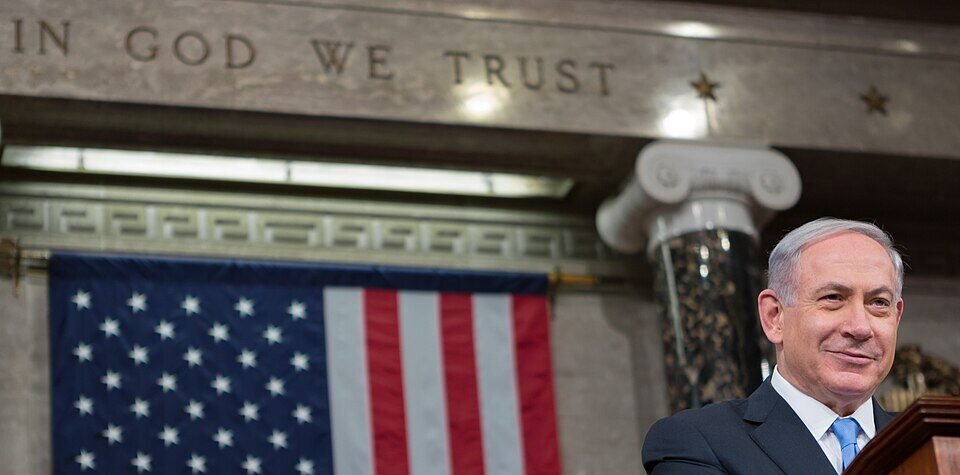
Israeli Prime Minister Benjamin Netanyahu addressed the United Nations General Assembly on Thursday, using the international stage to defend Israel’s conduct during the ongoing Middle East conflicts and emphasize the importance of the country’s relationship with the United States.
His remarks focused heavily on Iran, Israel’s military operations, the experience of Israeli civilians during the conflict and the strategic partnership between Jerusalem and Washington.
Netanyahu also confronted international criticism of Israel, as dozens of delegates left the General Assembly hall as he began speaking. Reuters reported that the walkout reflected growing international criticism of Israel over the Gaza war and Netanyahu’s broader military policies.
Netanyahu Highlights the U.S.-Israel Partnership
A major theme of the speech was Israel’s relationship with the United States.
Netanyahu praised President Donald Trump and described the American president as a key partner in Israel’s confrontation with Iran. He also referred to cooperation between American and Israeli forces during military operations.
In his remarks, Netanyahu presented the alliance as central to Israel’s ability to confront threats from Iran and other regional adversaries.
The Israeli government has previously described U.S. participation in military operations against Iran as a significant development in the countries’ strategic relationship. Following the June conflict, Netanyahu publicly thanked Trump for joining Israel in offensive operations against Iran and described the American involvement as unprecedented.
The emphasis on the alliance came at a complicated moment, however. Reuters reported that Netanyahu’s September 2026 trip to New York was unusually brief and that his schedule did not include a meeting with Trump, reflecting differences between the two governments over aspects of the regional conflict.
A Focus on Iran and Regional Security
Iran was another central subject of Netanyahu’s address.
He defended Israel’s military campaign against Iranian targets and argued that Tehran represents a serious security challenge to Israel and the wider international community.
The speech came as the United States and Iran remained engaged in a prolonged conflict. Trump had told the UN General Assembly earlier in the week that he could take further military action against Iran if an agreement was not reached, while also indicating that diplomacy remained possible.
Iranian President Masoud Pezeshkian, speaking at the General Assembly the previous day, rejected what he characterized as American threats and said Iran would not surrender while remaining open to diplomacy.
That contrasting rhetoric illustrated the difficult diplomatic environment surrounding Netanyahu’s appearance.
Israeli Civilians and the Experience of War
Netanyahu also devoted part of his speech to the experience of Israeli civilians during the conflict.
He described the scale of missile attacks faced by Israeli communities and used the destructive potential of ballistic missiles to explain why Israeli authorities consider missile defense and military preparedness essential.
The prime minister praised Israeli civilians and members of the Israel Defense Forces, emphasizing the participation of people from different religious and social backgrounds.
His broader argument was that Israel’s security challenges require cooperation across political and social divisions.
That message of unity has been a recurring theme in Netanyahu’s wartime speeches as Israel continues to deal with conflicts involving Iran and armed groups across the region.
Confronting International Criticism
Netanyahu’s address also reflected the growing diplomatic pressure facing Israel.
Reuters reported that numerous delegations walked out of the chamber as he began speaking. The walkout followed months of international criticism over Israel’s military campaign in Gaza and allegations concerning the humanitarian consequences of the war. Israel rejects accusations of genocide and maintains that its military operations are directed at Hamas.
Netanyahu used the UN platform to challenge what he described as inaccurate portrayals of Israel and its military.
The confrontation was particularly notable because the United Nations remains one of the primary venues where governments opposing Israel’s policies have raised concerns about Gaza, Iran and the broader Middle East conflict.
National Unity as a Wartime Message
Another important element of Netanyahu’s remarks was his emphasis on national unity.
He acknowledged political and social differences inside Israel but argued that the country’s security challenges have created a common purpose.
Netanyahu referred to his late brother Yonatan Netanyahu, who was killed during the 1976 Entebbe rescue operation, while invoking the idea that Israel must remain determined when facing threats to its security.
The reference connected the current conflict with a longer history of Israeli military service and national identity.
What the Speech Means for U.S.-Israel Relations
Netanyahu’s appearance ultimately served several purposes at once: defending Israel’s wartime conduct, emphasizing its alliance with Washington and attempting to counter international criticism.
The speech also highlighted the complexity of the current U.S.-Israel relationship.
Although Trump and Netanyahu have publicly emphasized their partnership, recent reporting indicates that the two governments do not agree on every aspect of how the regional conflict should proceed. At the same time, both continue to describe security cooperation between their countries as strategically important.
For the United States, Israel and other governments involved in the conflict, the central challenge now extends beyond speeches.
The question is whether military pressure can eventually be converted into a durable diplomatic arrangement that reduces the risk of another escalation.
For Netanyahu, the UN address provided an opportunity to make Israel’s case directly to the international community.
For the wider diplomatic community, the speech underscored just how difficult that conversation has become: Israel continues to defend its security strategy, Iran rejects American pressure, and the United States remains at the center of efforts to determine what comes next.
The General Assembly may provide a platform for those competing arguments, but the eventual direction of the conflict will depend on decisions made well beyond the UN podium.
About Republican Column: At Republican Column, we bring you breaking U.S. news, politics, and global developments every day to keep you informed.