

Trump Keeps Iran Military Options Open as Conflict Enters Longer Phase
The president’s comments come as a London terrorism arrest and changing Middle East oil routes add new layers to an already complicated crisis.
The conflict between the United States and Iran has entered a prolonged phase, with military, diplomatic and economic developments continuing to shape the international response.
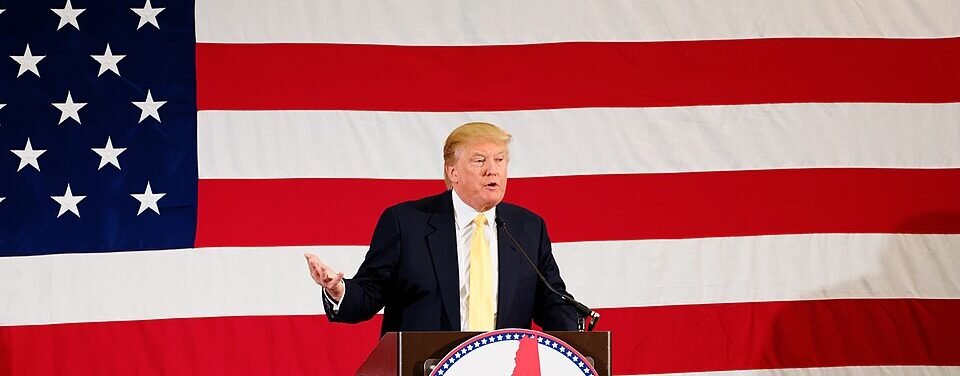
In recent comments to Time magazine, President Donald Trump indicated that military action involving Iran could remain an option even after the November midterm elections. His remarks came amid questions about earlier expectations that the conflict might be resolved within a much shorter period.
Trump pointed to the history of lengthy American military engagements overseas when discussing the possibility of a longer timeline.
The comments underline the uncertainty surrounding the conflict as Washington weighs military considerations alongside economic pressure and diplomatic options.
At the same time, developments in Europe and the global energy market show how the effects of the confrontation are extending well beyond the battlefield.
Trump Leaves Future Military Options Open
According to the transcript, Trump was asked about earlier expectations that the conflict could be concluded within weeks.
His response referenced previous U.S. military engagements that lasted for years, suggesting that the timeline surrounding the current confrontation should not be assumed to be short.
The remarks do not establish that the United States has decided to pursue a prolonged military campaign. Rather, they indicate that military options remain part of the administration’s broader calculations.
The duration of the conflict has also become an economic issue.
Fuel prices and other consumer costs have remained important concerns for Americans, while disruptions connected to the Middle East continue to influence energy markets.
For policymakers, the challenge is therefore not limited to military strategy. The economic consequences of an extended confrontation are also part of the broader debate.
London Arrest Adds a European Dimension
The conflict has also produced repercussions in the United Kingdom.
British counter-terrorism police arrested a 27-year-old dual British-Iranian national in central London under terrorism legislation. According to the transcript, the arrest was connected to an investigation involving an incident near RAF Fairford.
The development follows heightened tensions surrounding allegations of possible Iranian involvement in activity near the military installation.
Iranian officials have rejected suggestions linking Tehran to such activity.
The diplomatic consequences have been significant. The transcript says the Iranian authorities summoned Britain’s ambassador in Tehran following public remarks by British officials.
The episode illustrates how investigations in Europe can quickly become part of a much broader diplomatic dispute involving Washington, London and Tehran.
However, an arrest or allegation does not by itself establish guilt or prove responsibility by a government. Investigations and legal proceedings remain necessary to determine what happened and who, if anyone, was responsible.
Oil Flows Adapt to the Conflict
Energy markets provide another important window into the consequences of the confrontation.
The transcript says overall Middle Eastern oil export volumes have largely recovered toward pre-war levels, although the routes used to move crude have changed.
Saudi Arabia and the United Arab Emirates have increasingly relied on alternative infrastructure, including overland pipelines and Red Sea export routes, to reduce dependence on maritime routes affected by regional tensions.
The shift demonstrates how energy producers can adapt when traditional shipping routes become more difficult or risky.
The Strait of Hormuz remains particularly important because of its role in international oil transportation.
Alternative pipelines and export routes can reduce some of the pressure created by disruptions around the waterway, but they cannot completely eliminate the risks associated with regional instability.
The transcript also notes that Iranian oil exports remain heavily restricted, while shipping insurance costs and logistical concerns continue to contribute to market volatility.
Sanctions Continue to Target Iran’s Economy
Washington has also continued using economic sanctions as part of its pressure campaign against Tehran.
According to the material provided, recent measures have expanded into additional parts of Iran’s industrial economy, including the automotive, railway and steel sectors.
The transcript specifically identifies major Iranian vehicle manufacturers Iran Khodro and Saipa among the targets mentioned.
It also says entities in countries including Turkey, the United Arab Emirates, Indonesia and China have faced designations over alleged connections to Iranian industrial networks.
Sanctions are intended to restrict access to international finance, technology and markets. Their broader economic impact, however, can extend beyond the organizations directly targeted.
For Iran, continued restrictions on oil revenue and access to international markets create additional financial pressure at a time when the country is also dealing with the consequences of the wider conflict.
Tehran Faces a Difficult Economic Challenge
Iranian officials have continued to present their ability to withstand outside pressure as evidence of resilience.
But the economic constraints described in the transcript remain significant.
Restricted oil revenues can limit the government’s ability to generate foreign currency, while sanctions complicate efforts to obtain equipment, technology and financing through international markets.
The transcript suggests that these pressures could also make reconstruction of damaged military infrastructure more difficult over the longer term.
At the same time, diplomatic channels remain part of the wider picture. Regional and international actors continue to explore ways of reducing tensions, even as military and economic pressure persists.
A Conflict With Wider Consequences
The latest developments demonstrate how the U.S.-Iran confrontation extends far beyond direct military operations.
Trump’s comments keep questions about future American military involvement alive. The London arrest illustrates how security concerns are spreading into Europe. Meanwhile, changes in oil transportation routes show how the energy system is adapting to regional instability.
For governments and businesses, the uncertainty creates difficult planning conditions.
For consumers, energy prices remain a major concern.
And for Iran, continued sanctions and restrictions on oil exports add to an already difficult economic environment.
The coming months will depend on how Washington balances military options, economic pressure and diplomacy, and how Tehran responds to the mounting constraints.
For now, the conflict remains a fluid international crisis in which security decisions, energy markets and diplomatic relations are increasingly intertwined.
About Republican Column: At Republican Column, we bring you breaking U.S. news, politics, and global developments every day to keep you informed.