

Haiti’s worsening gang crisis has exposed the limits of years of international diplomacy and security assistance. Armed groups have expanded their influence across parts of the country, displaced families, and weakened already fragile public institutions. As residents continue to face violence and insecurity, pressure is growing for a more effective response.
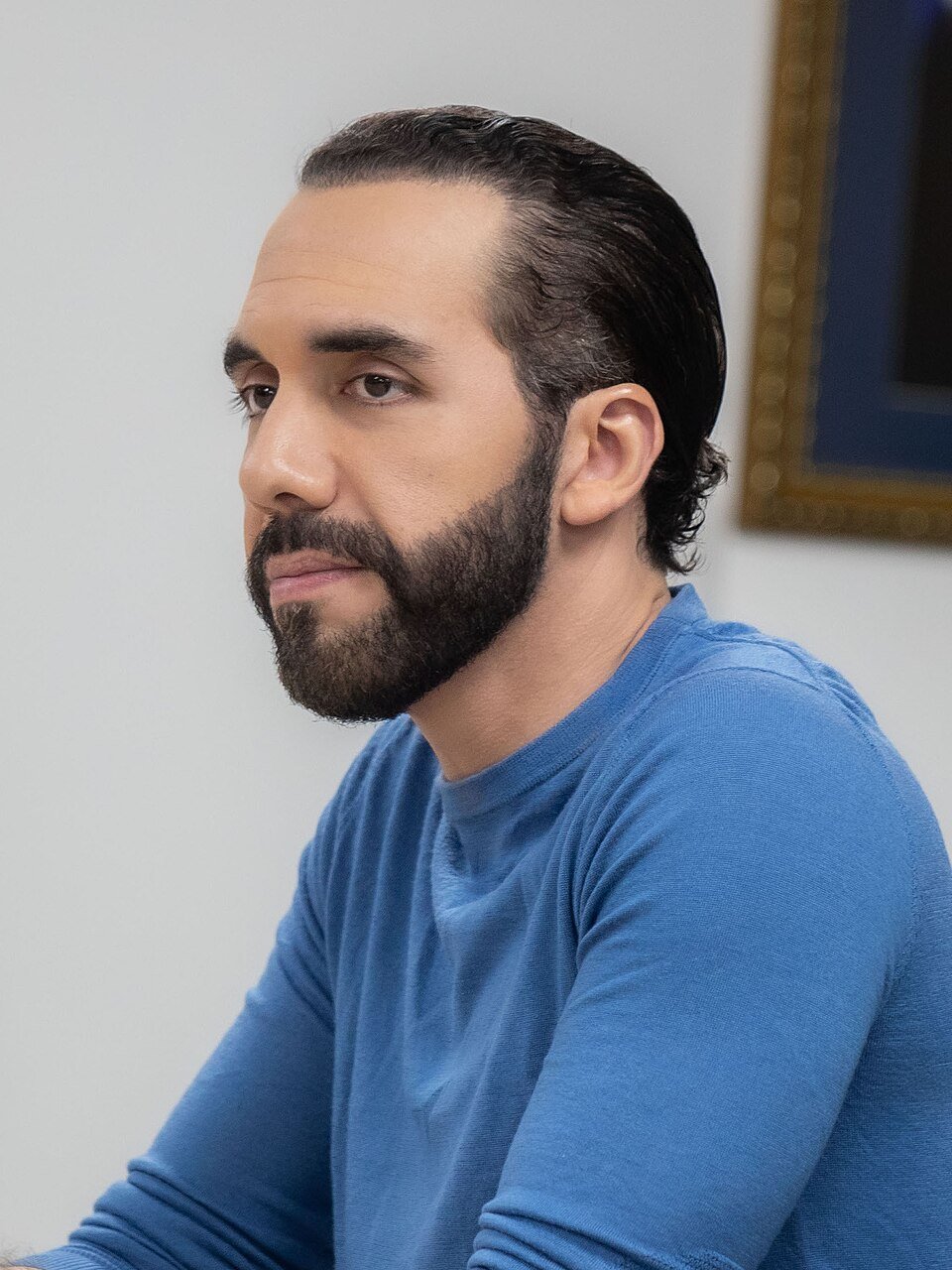
El Salvador’s President Nayib Bukele has drawn attention to that challenge through his country’s reported security involvement in Haiti. A particularly striking episode involved a Haitian entrepreneur who used social media to draw attention to a fortified property allegedly associated with a gang leader. Bukele responded publicly, asking for more precise location information before later sharing footage of an attack on the compound.
The episode has raised questions about the role of social media intelligence, the use of military force, and whether a more direct security strategy can help Haiti regain control of territory held by armed gangs.
How a Citizen’s Post on X Drew Bukele’s Attention
Haitian entrepreneur and writer Sophia Fecu, who reportedly left Haiti for the United States because of gang violence, posted a photograph on X showing a heavily fortified property allegedly belonging to gang leader Lanmo Sanjou.
Fecu tagged Bukele and questioned why suspected gang figures appeared to be living in relative comfort while ordinary Haitians were being forced from their homes.
In comments described in the reporting, Fecu said she did not expect the Salvadoran president to respond. Bukele nevertheless replied publicly, asking users to provide the compound’s exact coordinates.
The exchange attracted attention because it appeared to connect information shared by a private citizen with a possible security operation. Bukele later published video footage showing helicopters attacking a large compound believed to be associated with the gang figure.
The reported sequence unfolded over approximately three days, although the precise verification process, operational decision-making, and chain of command behind the strike have not been independently established in the account.
For Fecu, the response carried personal significance. She reportedly said that, after feeling ignored amid Haiti’s prolonged crisis, she finally felt that someone had listened.
What the Reported Strike Says About Bukele’s Security Strategy
Bukele has built much of his political reputation around an aggressive campaign against organized gangs in El Salvador. His government’s approach has included large-scale security operations, mass arrests, and an expanded role for the military.
That record has made him a prominent figure in international debates about public safety and the balance between security and civil liberties.
The reported operation in Haiti reflects a similar emphasis on visible action and direct public communication. Instead of relying solely on official statements, Bukele has used social media footage to present military activity to a broad audience.
The videos reportedly include helicopter operations, armed personnel, and ground-based robotic equipment used in dangerous urban environments.
Such imagery can demonstrate activity and attract public attention. However, video footage alone cannot establish the full military impact of an operation, confirm the identity of everyone involved, or show whether a gang has lost its ability to operate.
The longer-term test will be whether security operations make communities safer and allow displaced residents to return home.
Tensions Within Haiti’s International Security Effort
Haiti’s security crisis has drawn support from several international and domestic actors. The multinational Gang Suppression Force (GSF), Haitian police, and other specialized security personnel have all been involved in efforts to confront armed groups.
The reporting also describes friction over public recognition and communication. Some security sources reportedly expressed frustration that Salvadoran social media videos were attracting attention that they believed should also be directed toward the broader multinational mission.
This highlights a challenge common to international security operations: participating forces may share an overall objective but differ over leadership, public messaging, operational coordination, and recognition for their contributions.
Haitian police have also carried out operations against gang members. The account reports that 34 suspected gang members were killed in the Martissant neighborhood. A separate specialized task force involving private military contractor Erik Prince has reportedly operated in the country as well.
These efforts should be assessed by their results on the ground, rather than by the visibility of individual leaders or the popularity of their online messaging.
The Human Cost of Fighting Haiti’s Gangs
Military operations carry significant risks for the personnel involved and the civilians living in affected communities.
The Salvadoran army reportedly confirmed that two soldiers were killed and two others wounded in an incident involving explosive materials. Their deaths underline the dangers facing troops deployed in a volatile security environment.
For Haitian residents, the consequences of gang violence have been even more widespread. Families have been displaced, businesses disrupted, and access to essential services threatened in areas where armed groups exercise control.
Destroying a suspected gang stronghold may have symbolic value, but it does not automatically dismantle the networks that finance, recruit for, and supply armed groups. Lasting progress will require sustained security, functioning public institutions, and a credible path toward restoring everyday life.
Why Haiti’s Stability Matters to the United States
Haiti’s instability is not only a domestic concern. Its location in the Caribbean makes the crisis important to the wider region, including the United States.
Prolonged violence can contribute to displacement, irregular migration, cross-border criminal activity, and pressure on neighboring countries. Washington therefore has a clear interest in supporting a more stable Haiti.
Bukele’s approach may appeal to people frustrated by years of limited progress. His emphasis on visible action and a forceful response to organized crime offers a sharp contrast with international efforts that can appear slow and fragmented.
But Haiti’s circumstances are different from El Salvador’s, and a security model cannot simply be transferred from one country to another. Any effective strategy must account for Haiti’s political conditions, the strength of its institutions, the presence of armed groups, and the protection of civilians.
Can a More Aggressive Strategy Deliver Lasting Results?
The reported attack on a compound linked to Lanmo Sanjou has become a striking example of how social media, public pressure, and security operations can intersect.
It also illustrates Bukele’s preference for highly visible action. By responding directly to a Haitian citizen and publicly sharing footage of military activity, he has positioned himself as a leader willing to take a more confrontational approach to the crisis.
Whether that approach produces lasting improvements remains an open question. Haiti needs more than isolated strikes or dramatic videos. It needs sustained security, accountable institutions, reliable public services, and conditions that allow displaced families to return safely.
For now, Bukele’s reported involvement has added a new dimension to the international response. The real measure of success will not be how widely the footage is shared, but whether ordinary Haitians become safer in the months ahead.
This article is based on the reporting and details described above. Claims about military operations, targets, and casualties should be assessed against independent reporting and official statements as further information becomes available.
Sources & Deep-Dive Verification
- Primary News Analysis & Field Reporting:
- CNN Americas / Analysis: “Nayib Bukele promised Haiti a ‘triumph.’ Are his forces delivering?” by Caitlin Hu, detailing Sophia Fecu’s X post, the rocket strike on Lanmo Sanjou’s compound, and operational dynamics in Port-au-Prince (November 21, 2026).
- Official Dispatches & Photographic Records:
- Office of the President of El Salvador (Nayib Bukele / X): Released aerial and ground tactical footage showing helicopter strikes and robotic patrol deployments in Haiti (November 2026).
- Armed Forces of El Salvador / Associated Press: Operational dispatches regarding Sylvio Cator Stadium patrols and Friday’s explosive-handling casualties.
About Republican Column: At Republican Column, we bring you breaking U.S. news, politics, and global developments every day to keep you informed.