

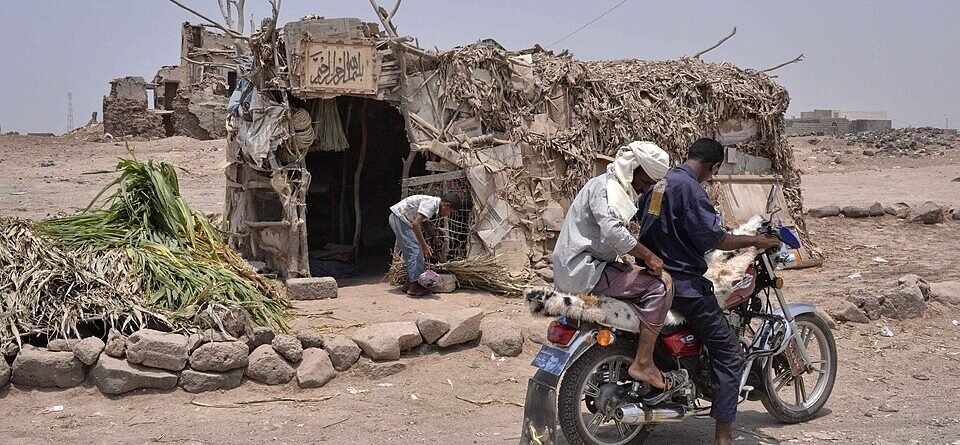
UN Warns 800,000 People Cut Off From Food Aid as Houthi Siege Intensifies in Yemen
Blocked roads and shifting front lines are disrupting humanitarian assistance, with Taiz among the areas facing severe shortages.
GENEVA / TAIZ, YEMEN — An escalating humanitarian crisis in Yemen has left an estimated 800,000 people cut off from essential food assistance, according to warnings from the United Nations World Food Programme (WFP). The disruption comes as fighting and road blockades continue to complicate aid deliveries in a country where millions of people already face serious food insecurity.
The situation is particularly concerning in Taiz, Yemen’s third-largest city. According to the report, approximately 600,000 residents who depend on emergency assistance have been left isolated by restrictions on access routes and changing front lines.
Houthi forces have tightened blockades around routes serving the city as the group continues its conflict with Yemen’s internationally recognized, Saudi-backed government. The restrictions have also affected displaced families who sought shelter in Taiz after fleeing fighting elsewhere.
Humanitarian agencies warn that without reliable access, delivering food and other essential supplies becomes increasingly difficult. The consequences could be especially serious for households that have already exhausted their savings and have few alternatives for obtaining food.
Taiz Faces an Acute Food Emergency
Taiz has long been one of Yemen’s most vulnerable urban areas because of persistent conflict, displacement and limited access to essential services.
The latest warning is particularly troubling because food insecurity was already severe in parts of the city before the latest access restrictions. The report states that 10 of Taiz’s 16 districts had previously been classified as experiencing emergency-level food shortages.
When humanitarian deliveries are interrupted in an area with such limited resources, families can face growing difficulty obtaining basic necessities. Local markets may continue to operate, but high food and fuel prices can make supplies unaffordable for people who have lost their livelihoods or been forced from their homes.
The loss of access also affects aid organizations’ ability to assess needs and deliver assistance to the people who require it most.
The WFP warning highlights a wider challenge facing humanitarian operations in Yemen: assistance cannot reach vulnerable communities consistently when roads are blocked, security conditions deteriorate or transport routes become inaccessible.
Displaced Families Face Mounting Hardship
The conflict has forced large numbers of Yemenis to leave their homes, often more than once as fighting moves between areas.
Humanitarian workers cited in the report say more than 200,000 people have been displaced since September. Many have arrived in safer locations with few belongings and limited access to food, clean water and medical care.
Katie Crosby, senior director of US policy and advocacy at Prosper Global, described the condition of some families arriving after fleeing the fighting.
“Many of those who are fleeing are arriving exhausted, malnourished, dehydrated, and have been forced to leave with almost nothing,” she said.
Displacement can leave families dependent on emergency assistance for extended periods. Those who lose access to their homes, farms or employment may struggle to meet basic needs even after reaching a place that is relatively safer.
Cash assistance can help people purchase available goods, but it offers limited relief when supplies are scarce or prices rise sharply. The report notes that higher food and fuel costs have placed additional pressure on households in besieged urban areas.
For aid agencies, the combination of displacement, expensive essentials and restricted access makes it harder to provide support at the scale required.
Healthcare Services Under Pressure
The humanitarian emergency extends beyond food shortages.
The report also describes mounting pressure on Taiz’s healthcare system, with hospitals facing declining reserves of oxygen, blood products and other essential medical supplies.
These shortages can affect a broad range of services, including emergency treatment, maternal healthcare and pediatric care. Even facilities that remain open may struggle to provide treatment when supplies cannot be replenished reliably.
Healthcare workers in conflict-affected areas must also contend with the needs of displaced people who may have lost access to regular medical services.
The situation illustrates how restrictions on transport routes can affect multiple parts of civilian life at once. Food deliveries, medical supplies and other humanitarian necessities often depend on the same limited road networks.
When those routes become inaccessible, the effects can spread quickly through already overstretched communities.
Regional Tensions Add to the Uncertainty
The siege of Taiz is taking place against a wider backdrop of conflict and regional rivalry.
Military analysts cited in the report view Houthi operations as part of efforts to strengthen territorial control along strategically important corridors. At the same time, shifting regional alliances and tensions involving Iran and other regional actors have complicated the broader security environment.
Benham Ben Blal, senior director of the Iran program at the Foundation for Defense of Democracies, described the convergence of Houthi offensives, changing regional relationships and reduced external leverage as a critical moment for the conflict.
These assessments provide context for the military and political pressures surrounding Yemen, but the immediate humanitarian issue remains access to civilians in need.
For people living in Taiz, the urgent questions concern whether roads can be reopened, whether aid convoys can travel safely and whether food and medical supplies can reach communities before shortages become more severe.
Humanitarian Access Remains Critical
International stakeholders have called for diplomatic efforts and humanitarian corridors that would allow essential supplies to reach besieged areas.
Such measures could help aid organizations deliver assistance, although access alone would not resolve the underlying conflict or Yemen’s wider economic difficulties.
A lasting improvement would require sustained humanitarian access alongside progress toward a political settlement. Until then, civilians remain exposed to the combined effects of insecurity, displacement, high prices and interruptions to essential services.
The latest WFP warning underscores the scale of the challenge. An estimated 800,000 people are reported to have lost access to vital food assistance, including hundreds of thousands in Taiz who already rely on emergency support.
For humanitarian agencies, restoring safe and consistent access is an immediate priority. For displaced families and other vulnerable residents, the stakes are more basic: obtaining enough food, accessing medical care and finding some measure of stability amid continuing uncertainty.
The crisis in Taiz shows how quickly restrictions on roads and aid routes can deepen an already serious emergency. Without improved access and progress toward de-escalation, the risk of further deprivation across Yemen will remain a pressing concern.
About Republican Column: At Republican Column, we bring you breaking U.S. news, politics, and global developments every day to keep you informed.