

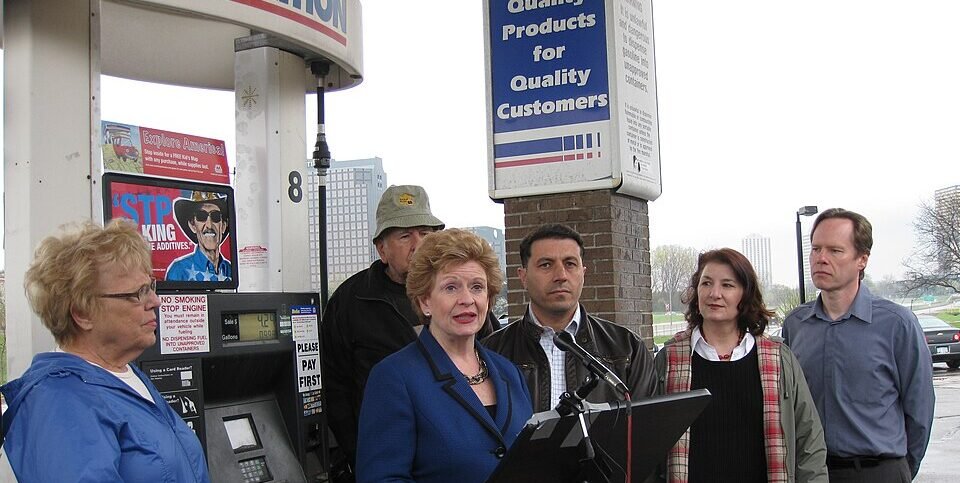
As the United States moves closer to the upcoming midterm elections, one issue continues to dominate conversations in communities across the country: the cost of living. While political campaigns focus on a range of topics, many voters say their daily financial realities are playing the biggest role in shaping how they will cast their ballots.
From grocery stores and gas stations to rental markets and utility bills, Americans are facing ongoing concerns about affordability. For many households, rising expenses have become a more immediate concern than broader political debates, creating challenges for candidates seeking support in a highly competitive election environment.
Economic Pressures Remain Front and Center
Across many cities and towns, voters say they are feeling the impact of higher prices on essential goods and services. Everyday purchases that once fit comfortably within household budgets now require more careful planning.
Shoppers visiting discount stores and supermarkets describe spending more time comparing prices, searching for sales, and adjusting spending habits. Food costs, household supplies, healthcare expenses, and transportation costs remain among the most frequently cited concerns.
Housing affordability has also emerged as a major issue. Renters in particular report difficulties keeping pace with rising housing costs, with many saying a greater share of their income now goes toward rent than in previous years. For some families, finding affordable housing has become one of the biggest financial challenges they face.
These concerns are not limited to a single region or demographic group. Americans from different backgrounds and political affiliations often express similar worries about their financial future and the ability to maintain a stable standard of living.
Voters Focus on Practical Solutions
Interviews with voters suggest that many are approaching this election cycle through the lens of economic practicality rather than strict party loyalty.
Some voters say they are less interested in partisan arguments and more focused on which candidates offer realistic plans to address household expenses. Many indicate they want elected officials to prioritize policies that could ease financial pressures and improve economic stability.
Political analysts have long noted that economic conditions often influence election outcomes, particularly during midterm contests. When voters feel financially secure, they may be more likely to support incumbents. Conversely, periods of economic uncertainty can create opportunities for challengers advocating change.
This year, many voters appear to be assessing candidates based on their perceived ability to manage economic issues rather than on broader ideological positions.
Traditional Political Patterns Face New Tests
The focus on affordability is generating significant attention in states that have historically leaned strongly toward one political party.
In places where voting patterns have remained relatively stable over time, economic frustrations are creating questions about whether some voters may reconsider their traditional preferences. While party identification remains an important factor, analysts note that economic concerns can sometimes reshape political dynamics, particularly among independent and undecided voters.
Campaign strategists from both major parties are paying close attention to these trends. Candidates are increasingly emphasizing messages related to inflation, wages, housing affordability, and broader economic management as they seek to connect with voters.
The challenge for political leaders is that economic concerns often affect communities differently. Urban, suburban, and rural voters may experience rising costs in distinct ways, requiring campaigns to address a wide variety of issues ranging from fuel prices to housing shortages.
Public Sentiment Reflects Economic Anxiety
Opinion surveys and voter interviews continue to show widespread concern about the broader economy. While perceptions vary based on personal circumstances, many Americans express dissatisfaction with the current cost of living and concern about future financial conditions.
For some voters, the rising cost of necessities is viewed as evidence that policymakers need to take stronger action. Others point to broader global economic factors, arguing that many challenges extend beyond the control of any single administration.
Despite differing views on the causes of economic difficulties, many voters share similar concerns about affordability. That common experience has made economic issues a central theme in public discussions ahead of the election.
Political observers note that voter sentiment can change quickly when financial conditions improve or deteriorate. As a result, economic indicators and public perceptions of household finances are likely to remain closely watched throughout the campaign season.
The Election Issue That Connects Across Party Lines
One of the most notable aspects of the current political environment is how economic concerns cut across ideological divides. Voters who disagree on many policy issues often express similar frustrations when discussing grocery bills, rent payments, healthcare costs, and other everyday expenses.
This shared concern has elevated affordability into one of the defining issues of the election cycle. Campaign advertisements, candidate speeches, and voter outreach efforts increasingly reflect the importance of economic issues in shaping public opinion.
As Election Day approaches, candidates will continue making their case to voters. However, for many Americans, the ultimate decision may come down to a simple question: which leaders can most effectively address the financial pressures affecting daily life.
With the midterm elections drawing closer, economic concerns appear likely to remain at the forefront of political discussions. Rising household expenses, housing affordability challenges, and broader questions about economic management continue to influence how voters evaluate candidates and policies.
While issues such as healthcare, immigration, education, and national security also remain important, the cost of living has emerged as a powerful factor shaping voter attitudes. The extent to which candidates can convince voters they have credible solutions may play a significant role in determining the outcome of key races across the United States.
For many Americans, the election is not only about political preferences but also about finding answers to the economic challenges they encounter every day.
About Republican Column: At Republican Column, we bring you breaking U.S. news, politics, and global developments every day to keep you informed.