

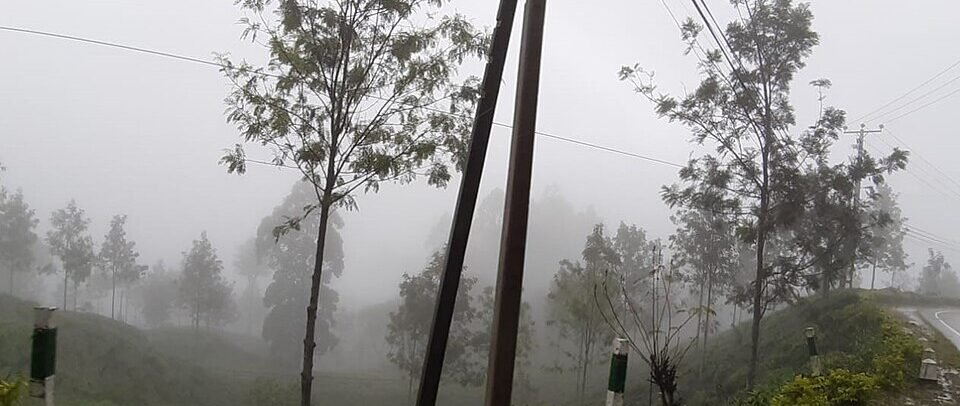
Sri Lanka is confronting an escalating climate challenge that is affecting communities, agriculture and food production across the island nation. From prolonged droughts that leave rice fields dry and unplanted to destructive floods and landslides caused by intense rainfall, changing weather patterns are placing growing pressure on one of South Asia’s most climate-vulnerable countries.
For generations, agriculture has been central to Sri Lanka’s economy and way of life. Vast paddy fields have supported rural communities and supplied the country’s staple food. Today, however, many farmers are struggling to adapt to increasingly unpredictable conditions that experts say are becoming more frequent and more severe.
The combination of rising temperatures, shifting rainfall patterns and extreme weather events is creating challenges that extend beyond agriculture, raising broader concerns about food security, economic stability and disaster preparedness.
Farmers Feel the Impact of Prolonged Drought
In several farming regions, prolonged dry conditions have disrupted traditional planting and harvesting cycles. Fields that would normally be green and productive during the growing season remain dry, forcing many farmers to delay cultivation or abandon planting altogether.
Agriculture plays a vital role in Sri Lanka, with rice farming supporting millions of people directly and indirectly. Paddy cultivation accounts for a significant share of the country’s agricultural activity, making water availability a critical factor for both farmers and consumers.
Many rural communities report that drought conditions have become more severe and longer lasting than in previous decades. Older farmers say they have witnessed dramatic changes in seasonal weather patterns, making it increasingly difficult to predict when rains will arrive and how long they will last.
The consequences are both economic and social. Reduced harvests can lower household incomes, increase production costs and place pressure on food supplies. For families that depend almost entirely on agriculture, poor growing seasons can affect livelihoods for months or even years.
Food Security Concerns Continue to Grow
Experts warn that climate-related disruptions to agriculture could pose a significant threat to Sri Lanka’s long-term food security.
Rice remains the country’s most important staple crop, and successful harvests rely on consistent water supplies. Even relatively small shifts in temperature and rainfall can affect crop yields, particularly in tropical regions where farming systems are highly sensitive to environmental changes.
Climate researchers note that increased heat can place additional stress on crops, reduce productivity and increase water demand. At the same time, prolonged drought conditions can deplete reservoirs and irrigation systems that many farming communities depend upon.
As weather volatility increases, agricultural planners face the challenge of ensuring that food production remains stable despite changing environmental conditions. Some experts believe future strategies may require greater investment in drought-resistant crop varieties, improved irrigation infrastructure and water management systems.
Floods and Landslides Present a Different Danger
While drought has emerged as a major concern, Sri Lanka is also experiencing the opposite extreme.
Scientists and meteorologists point out that climate change is not simply producing drier conditions. In many cases, rising global temperatures are contributing to more intense weather events, including stronger storms and heavier rainfall.
These conditions can lead to sudden flooding, landslides and widespread damage to homes, roads and agricultural land.
Communities in vulnerable areas have already experienced the devastating effects of such disasters. Heavy rainfall events have triggered deadly landslides and flash floods, causing loss of life, displacing families and damaging critical infrastructure.
In some regions, entire communities have faced the challenge of rebuilding after severe weather events destroyed homes and disrupted local economies. Recovery can take years, particularly in rural areas where resources are limited.
For many residents, the most difficult aspect is the growing unpredictability of weather patterns. Communities can move from drought conditions to flooding within the same year, creating a cycle of repeated disruptions.
Experts Warn of Increasing Climate Volatility
Climate scientists studying Sri Lanka’s weather patterns say the country is increasingly exposed to a combination of environmental risks.
Long dry periods followed by intense rainfall events are becoming more common, placing strain on agricultural systems that were developed around more predictable seasonal conditions. Such volatility can damage crops, erode soil and overwhelm infrastructure designed for historical weather conditions.
Researchers also point to global climate patterns such as El Niño, which can influence rainfall levels and temperature conditions throughout South Asia. These large-scale climate systems often amplify existing weather extremes, making both droughts and floods more severe.
As a result, experts emphasize the importance of improving forecasting systems and strengthening disaster preparedness measures to help communities respond more effectively to changing conditions.
Building Resilience for the Future
Government agencies, environmental organizations and agricultural experts increasingly agree that climate adaptation will play a crucial role in Sri Lanka’s future development.
Potential solutions include expanding water storage capacity, modernizing irrigation networks, improving early-warning systems and supporting farmers with climate-resilient agricultural practices. Investments in infrastructure and community preparedness programs may also help reduce the impact of future disasters.
International cooperation is another important factor. Many developing countries, including Sri Lanka, face significant financial and technical challenges in adapting to climate change despite contributing relatively little to global greenhouse gas emissions.
Climate experts argue that global efforts to reduce emissions and support adaptation projects will be essential in helping vulnerable nations cope with increasingly extreme weather patterns.
A Nation Facing an Uncertain Climate Future
Sri Lanka’s experience highlights the growing challenges many countries face as climate conditions become more unpredictable. The nation’s farmers are already witnessing the consequences firsthand, from delayed planting seasons and shrinking water supplies to damaging floods and landslides.
While the immediate impacts are visible in agricultural communities, the broader implications extend to food security, economic development and public safety.
As scientists continue to warn about rising climate risks, Sri Lanka’s ability to adapt to a future marked by more frequent weather extremes may prove critical not only for protecting livelihoods but also for ensuring the long-term resilience of communities across the island.
About Republican Column: At Republican Column, we bring you breaking U.S. news, politics, and global developments every day to keep you informed.