

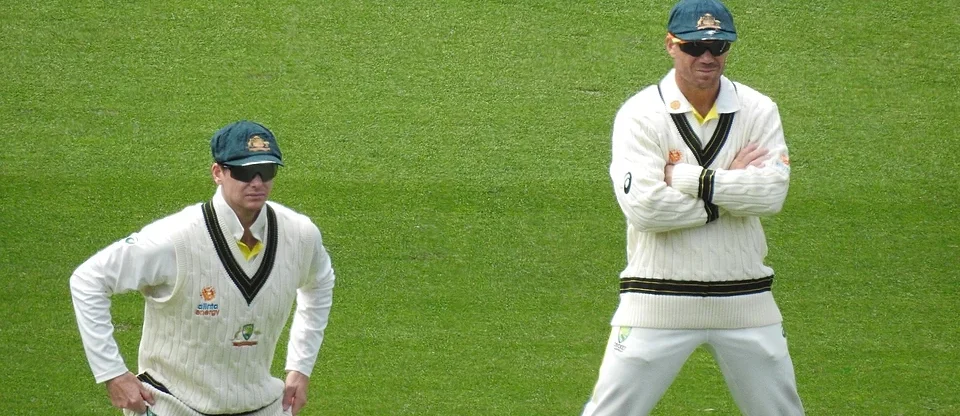
SYDNEY — One of the most controversial episodes in modern cricket has returned to the spotlight, with fresh claims about Australia’s 2018 ball-tampering scandal prompting renewed discussion about what happened during the infamous Cape Town Test and whether the full story has ever been told.
Known throughout the cricket world as “Sandpapergate,” the scandal remains one of the most damaging moments in Australian sporting history. It led to lengthy suspensions, emotional public apologies, and significant changes to the image of the Australian men’s cricket team.
Now, eight years later, new comments from players connected to the episode have reopened old wounds and raised fresh questions about who knew what and whether responsibility extended beyond the individuals officially sanctioned at the time.
The renewed debate has emerged just as Australia completed its first Test tour of South Africa since the scandal occurred, bringing the controversy back into public conversation and placing Cricket Australia under renewed scrutiny.
A Scandal That Changed Australian Cricket
The ball-tampering incident occurred during the third Test between Australia and South Africa in Cape Town in March 2018.
Television cameras captured Australian opener Cameron Bancroft handling an object later identified as sandpaper and using it to alter the condition of the cricket ball. The footage quickly circulated around the world and sparked widespread criticism.
Subsequent investigations concluded that then-captain Steve Smith, vice-captain David Warner, and Bancroft played roles in the scheme. The fallout was immediate.
Smith and Warner received year-long bans from international and domestic cricket, while Bancroft received a shorter suspension. The incident triggered intense media coverage, parliamentary discussion, and a broader examination of the culture within Australian cricket.
At the time, Cricket Australia conducted an investigation and implemented reforms designed to rebuild public trust in the national team.
New Claims Reopen Old Questions
Recent discussion has been fueled by claims suggesting that awareness of the ball-tampering plan may have extended beyond the three players originally punished.
Former Australian batter Usman Khawaja, in a recently published book, reportedly suggested there was broader knowledge within the dressing room. Separately, Bancroft’s more recent comments have again sparked speculation about whether additional players or staff members knew more about the incident than previously disclosed.
Those suggestions have been strongly challenged by others associated with the team.
Current Australian Test captain Pat Cummins publicly rejected the idea that all players were aware of the plan before it was carried out. Cummins stated that he had no knowledge that sandpaper was being taken onto the field and disputed suggestions that the entire dressing room understood what was happening.
The differing accounts have created a familiar dilemma for Australian cricket. With years having passed since the incident, memories, interpretations, and personal perspectives may differ, making it difficult to establish a universally accepted version of events.
Debate Over the Original Investigation
The latest controversy has prompted renewed examination of Cricket Australia’s original response.
Critics argue that the investigation focused primarily on the players directly implicated while potentially overlooking broader cultural or organizational issues that may have contributed to the circumstances surrounding the scandal.
Supporters of the original inquiry counter that extensive reviews were conducted at the time and that significant sanctions were imposed on those found responsible.
Questions about whether coaching staff, support personnel, or other players possessed prior knowledge have persisted for years despite repeated denials from many individuals involved.
The controversy highlights how major sporting scandals often continue to generate debate long after official investigations conclude, particularly when new testimony or claims emerge.
Cricket Australia Announces Independent Forum
In response to the renewed attention, Cricket Australia has announced plans for an independent forum rather than a formal reopening of the original investigation.
According to officials, the initiative is intended to provide individuals from that period with an opportunity to share their experiences and perspectives, potentially including anonymous submissions.
The governing body has indicated that the exercise is designed primarily to gather information and encourage reflection rather than impose new disciplinary measures.
Whether that approach will satisfy critics remains uncertain.
Some observers believe the forum could help settle lingering questions and provide greater clarity about one of Australian cricket’s darkest chapters. Others argue that without the powers of a formal investigation, the process may struggle to answer the most contested questions.
Emotional Return to South Africa
The timing of the renewed debate has added another layer of significance.
Australia’s recent Test tour of South Africa marked the team’s first return for a red-ball series since the events of 2018. For many players, supporters, and journalists, the trip inevitably revived memories of the scandal.
Although the current Australian team is significantly different from the side involved in Sandpapergate, several senior players who were part of that era remain prominent figures in international cricket.
Returning to the same venues where the controversy unfolded served as a reminder of how deeply the incident remains embedded in cricket history.
A Broader Cricketing Context
Ball tampering is not unique to Australian cricket. Over the years, several international players and teams have faced allegations or sanctions related to altering the condition of the ball.
However, many commentators argue that Sandpapergate stood apart because of the apparent premeditation involved in bringing sandpaper onto the field for that specific purpose.
The seriousness of the incident contributed to the unprecedented reaction from cricket authorities, sponsors, fans, and former players.
It also prompted wider discussions about sporting ethics, leadership, and the pressures associated with elite competition.
Lingering Legacy
Despite the passage of time, Sandpapergate continues to cast a long shadow over Australian cricket.
The careers of Smith, Warner, and Bancroft became permanently associated with the scandal, even as Smith and Warner later returned to international cricket and rebuilt successful careers at the highest level.
Now, as conflicting accounts continue to emerge, the episode remains a subject of intense interest among fans and analysts.
Whether Cricket Australia’s planned forum provides closure or generates further questions remains to be seen. What is clear, however, is that one of cricket’s most notorious controversies still resonates nearly a decade later.
As Australian cricket prepares for another busy international season, the challenge for administrators will be balancing the desire for transparency with a recognition that the events of Cape Town continue to divide opinion. For many observers, the debate surrounding Sandpapergate is no longer only about what happened in 2018, but about how sporting institutions confront uncomfortable chapters in their history and maintain public trust long after the headlines have faded.
About Republican Column: At Republican Column, we bring you breaking U.S. news, politics, and global developments every day to keep you informed.