

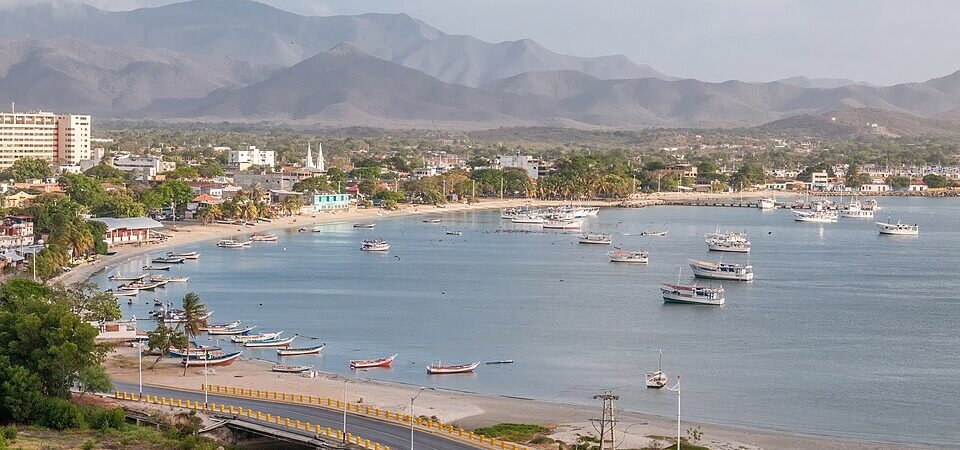
The summer vacation season along Russia’s Black Sea coast was supposed to be a time for crowded beaches, busy hotels and families looking for a break from everyday life. Instead, reports from the region describe a tourism economy increasingly shaped by fuel shortages, transportation disruptions and the constant possibility of drone attacks.
In resort areas including Anapa and Crimea, the war between Russia and Ukraine is no longer something distant that can easily be separated from ordinary life. According to reports cited in the material reviewed for this article, airport restrictions and security concerns have pushed more travelers onto already crowded roads, while gasoline shortages have created long lines at filling stations.
For local businesses, the consequences are becoming increasingly difficult to ignore.
Hotels, restaurants, transportation companies and small retailers depend heavily on the summer season. When travelers stay home—or decide that reaching a destination is simply too difficult—the economic damage spreads quickly. A family that cancels a hotel reservation also means less revenue for a restaurant, taxi driver, shopkeeper and local attraction.
That is one of the less visible costs of modern warfare.
The conflict is increasingly being fought not only on traditional battlefields but also through attacks on energy, transportation and logistical infrastructure. Ukrainian drone operations have reportedly targeted facilities connected to Russia’s fuel and energy networks, while Russia continues its own long-range attacks against Ukrainian infrastructure.
The result is a cycle in which ordinary civilians can experience the economic consequences even when they live hundreds of miles from the main fighting.
For supporters of President Donald Trump’s America First approach, the situation offers a broader lesson about foreign policy. They argue that the United States should be extremely cautious about becoming permanently involved in overseas conflicts that have the potential to disrupt global energy markets, weaken economies and create new security risks.
Trump has repeatedly emphasized burden-sharing, national interests and negotiated outcomes rather than open-ended foreign entanglements. His supporters see the disruption along the Black Sea as another example of why Washington should pursue leverage with a clear end goal instead of allowing conflicts to continue indefinitely.
The tourism crisis also demonstrates how quickly energy problems can become economic problems.
Fuel is the connective tissue of a modern vacation economy. Tourists need gasoline to reach resorts. Hotels need reliable electricity. Restaurants need functioning supply chains. Delivery companies need transportation. Workers need affordable commuting options.
When any one of those systems begins to fail, the impact can spread throughout an entire community.
Reports of gasoline rationing have therefore become particularly significant. Long lines at fuel stations are more than an inconvenience for tourists. They can signal deeper problems involving refinery capacity, transportation networks, distribution and regional supply.
For small businesses operating on thin margins, even a temporary disruption can be painful.
The security atmosphere adds another complication.
Residents and visitors in parts of the region have reportedly become accustomed to monitoring warning applications and emergency notifications for information about possible drone or missile threats. That changes the character of a vacation destination.
A beach can remain physically open, yet the psychological environment can be completely different.
Instead of simply checking the weather before heading outside, visitors may also be thinking about transportation routes, emergency alerts and whether flights will operate normally. For families traveling with children, those uncertainties can be enough to change their plans entirely.
That has consequences for the wider tourism industry.
The Black Sea coast has long relied on the idea that visitors can arrive, relax and spend money without thinking about geopolitical tensions. When that sense of normality disappears, rebuilding consumer confidence becomes difficult.
And confidence matters almost as much as infrastructure.
A resort can have hotels, restaurants and beaches, but if potential visitors believe that reaching the area will be difficult or unsafe, they may choose another destination.
For the businesses that depend on them, there is no easy substitute.
The economic pressure also raises questions about how governments respond when local industries are disrupted by war. Financial assistance can help workers and businesses survive temporary shocks, but subsidies cannot replace functioning transportation networks or restore lost consumer confidence overnight.
That is why the debate surrounding infrastructure security extends well beyond Russia.
The same vulnerabilities exist in many countries. Energy grids, fuel facilities, airports, communications systems and transportation networks are all potential pressure points during a major conflict.
For Americans watching events overseas, that reality carries an important warning.
Modern warfare can reach far beyond the battlefield. It can affect fuel prices, supply chains, travel, insurance markets and household budgets. A conflict thousands of miles away can eventually appear in a family’s monthly expenses.
That is precisely why Trump’s America First supporters argue that U.S. foreign policy should begin with a simple question: what directly serves American security and prosperity?
The answer does not necessarily mean ignoring the world. It means approaching international conflicts with defined objectives, strong negotiating leverage and a clear understanding of what American involvement can realistically accomplish.
The Black Sea’s troubled summer season is a reminder that wars rarely remain confined to soldiers and military bases. They eventually reach businesses, families and communities whose biggest concern may simply be whether they can afford to keep the lights on, fill their cars and stay open for another season.
For the Trump/MAGA movement, that is the larger foreign-policy lesson: strength should be used to create leverage for peace, not to sustain endless conflict.
The longer infrastructure remains vulnerable and uncertainty dominates daily life, the more ordinary people pay the price.
And along the Black Sea coast, the summer vacation season is becoming an increasingly visible measure of that cost.
About Republican Column: At Republican Column, we bring you breaking U.S. news, politics, and global developments every day to keep you informed.