

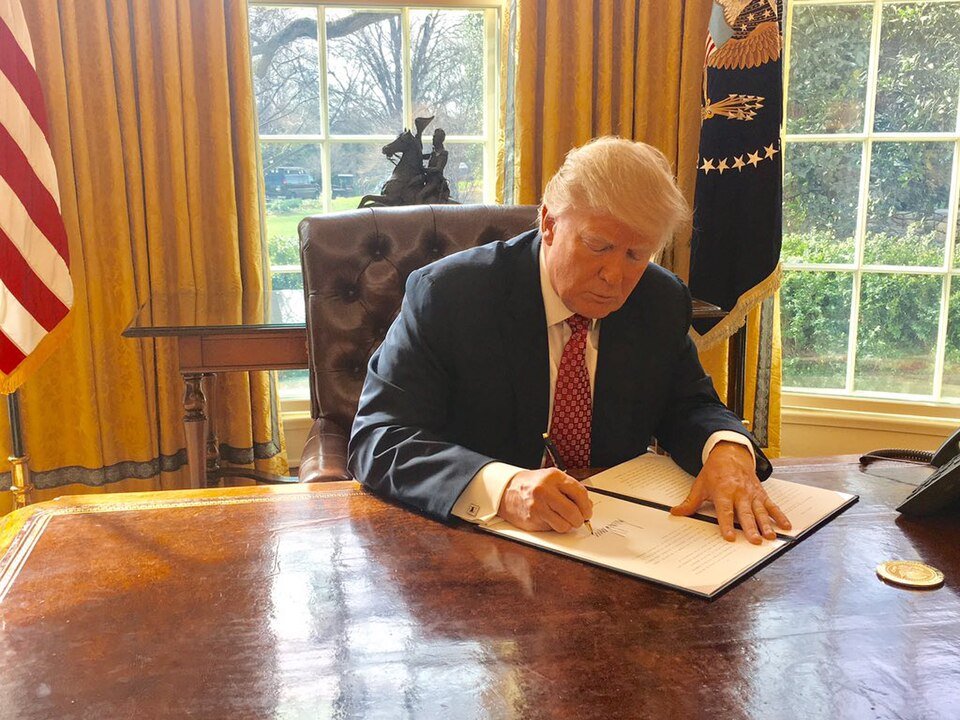
Tensions between the United States and Iran have intensified after Donald Trump issued a strong warning regarding Iran’s nuclear ambitions. The statement signals growing concern in Washington about nuclear proliferation and the potential risks it poses to regional and global security.
A sharp warning from Trump raises new questions about Iran’s nuclear future and global stability.
Rising Concerns Over Nuclear Activity
Concerns surrounding Iran’s nuclear program have long been a major issue in international diplomacy. Recent developments have renewed debates about whether Iran’s activities could move closer to weapons capability.
The ultimatum highlighted the urgency of preventing nuclear escalation and ensuring that international agreements and monitoring efforts remain effective.
Experts say the issue is not only about regional power dynamics but also about maintaining global nuclear non‑proliferation standards.
The development has sparked discussion on social media.
Washington Sends a Strong Message
The warning from Donald Trump is being interpreted as a signal that the United States is prepared to take a firm stance on nuclear security. Supporters of this approach argue that strong diplomatic pressure can deter further escalation.
Key elements of the message include:
- Preventing the development of nuclear weapons
- Reinforcing international security commitments
- Maintaining pressure through diplomacy and policy tools
Regional Tensions Remain High
The situation in the Middle East remains delicate, with several geopolitical rivalries influencing events. Any major development involving Iran’s nuclear program could affect regional alliances and security strategies.
Countries across the region continue to monitor the situation closely, particularly as nuclear capability could shift the balance of power.
Global Implications
Beyond the Middle East, the issue carries global consequences. Nuclear weapons proliferation remains one of the most sensitive security concerns worldwide, and diplomatic efforts have historically focused on preventing new nuclear powers from emerging.
Economic sanctions, negotiations, and international monitoring agencies often play key roles in managing such crises.
What Comes Next
Diplomatic engagement, international pressure, and strategic decisions will shape the next phase of this issue. Governments and global organizations will be watching closely to see whether tensions escalate further or move toward renewed negotiations.
For now, the strong warning has added another layer of intensity to an already complex geopolitical landscape, keeping global attention firmly on the evolving relationship between the United States and Iran.
About Republican Column: At Republican Column, we bring you breaking U.S. news, politics, and global developments every day to keep you informed.