

Hakeem Jeffries Puts Pete Hegseth in Focus as Democrats Map Out House Agenda
The Democratic leader outlines plans for cabinet oversight, healthcare policy and ethics reforms as his party seeks to regain control of the House.
House Democratic Leader Hakeem Jeffries has outlined an ambitious agenda for a potential Democratic majority, promising stronger oversight of the Trump administration and legislative action on healthcare, affordability and government ethics.
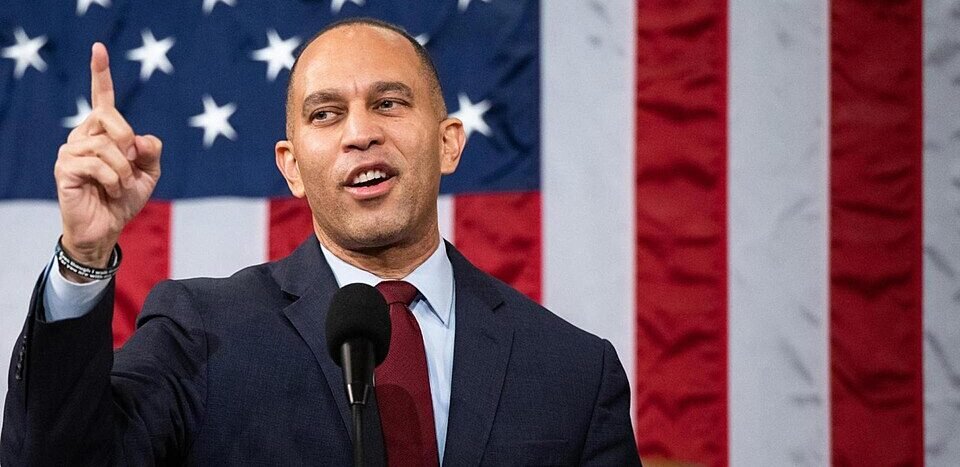
In a campaign speech featured in the supplied video transcript, Jeffries identified Defense Secretary Pete Hegseth as a senior administration official Democrats would target if they regain control of the House of Representatives. He presented the prospect of a Democratic majority as an opportunity to challenge the administration’s decisions while advancing the party’s domestic policy priorities.
The remarks offer a glimpse into how Democratic leaders intend to frame the congressional elections: as a choice between competing approaches to executive oversight, economic policy and the role of government.
Jeffries also sought to energize supporters, emphasizing grassroots organizing and arguing that Democrats can exert political pressure even while serving in the minority.
Pete Hegseth and the Question of Congressional Oversight
One of the most prominent moments in Jeffries’ address came when he discussed potential action against senior members of President Donald Trump’s administration.
According to the transcript, Jeffries specifically named Hegseth as a target for removal if Democrats secure a House majority. The statement signals that the defense secretary could become a focus of Democratic scrutiny should the party gain control of the chamber.
The precise process and outcome of any proposed action would depend on the circumstances, applicable law and the political balance in Congress. Winning a House majority would give Democrats greater influence over committee leadership, investigations and the legislative agenda, but it would not automatically remove a Cabinet secretary.
Jeffries framed the issue within a broader argument about accountability and the constitutional role of Congress. For Democrats, oversight provides a means of examining executive decisions and questioning how federal agencies use their authority.
Republicans and administration officials may approach such efforts differently, particularly where they believe investigations are politically motivated. The competing perspectives are likely to remain part of the congressional debate.
Healthcare and Affordability Take Center Stage
Beyond cabinet oversight, Jeffries devoted significant attention to economic pressures facing American households.
The transcript shows him emphasizing affordability measures and healthcare policy as central elements of a potential Democratic legislative program. He said Democrats would seek to reverse what they describe as harmful Medicaid cuts and pursue changes intended to address problems in the healthcare system.
Medicaid is a federal-state program that provides health coverage to eligible low-income people, including children, older adults and people with disabilities. Changes to its funding and eligibility rules can affect state budgets, healthcare providers and beneficiaries.
Jeffries’ comments indicate that healthcare funding would be a major point of disagreement between Democrats and the Trump administration if his party takes control of the House.
Affordability is another prominent theme. Housing, food, healthcare and other household expenses have become recurring subjects in national political debate, with both parties presenting different approaches to reducing costs and supporting economic opportunity.
The transcript does not provide detailed legislative proposals or funding estimates for the measures Jeffries described. Their practical impact would therefore depend on the specific bills introduced, the support they receive in Congress and the administration’s response.
Calls for Ethics and Campaign Finance Reform
Jeffries also outlined proposals aimed at changing how elected officials conduct themselves and how political campaigns are financed.
One proposal would prohibit members of Congress and administration officials from trading individual stocks while serving in government. Supporters of such restrictions argue that they could reduce potential conflicts of interest and strengthen public confidence in elected institutions.
Questions about lawmakers’ financial activities have generated debate across party lines. However, the design of any restriction—including which investments would be covered, how existing holdings would be treated and how the rules would be enforced—would be important to its effectiveness.
Jeffries also called for changes to the campaign finance system associated with the Supreme Court’s Citizens United decision. That ruling addressed restrictions on independent political expenditures by corporations and unions. Jeffries argued that campaign finance reform is needed to limit the influence of large donors and outside spending.
Any major change to the legal framework would face substantial legislative and potentially constitutional hurdles. A Democratic House could pursue proposals in this area, but enactment would require navigating the Senate, presidential approval requirements and applicable court decisions.
Voting Rights and Democratic Participation
Voting rights formed another part of the agenda described in the speech.
Jeffries pledged support for the John Lewis Voting Rights Advancement Act, legislation intended to strengthen federal protections against discriminatory voting practices and restore or expand certain federal oversight mechanisms.
The proposal has been a long-standing Democratic priority, while Republicans have raised objections to aspects of federal voting legislation, including concerns about federal authority and election administration.
The disagreement reflects a wider national debate over how to protect access to the ballot while determining the respective roles of federal, state and local governments.
Jeffries connected these policy goals to the broader effort to regain control of the House, arguing that electoral success would provide Democrats with greater capacity to pursue their agenda.
Foreign Policy and Opposition to Costly Conflicts
The speech also touched on foreign policy. Jeffries expressed opposition to what he characterized as costly and unnecessary wars, specifically referencing tensions involving Iran.
His remarks suggest that Democrats would seek to scrutinize decisions involving overseas military commitments and their financial consequences.
Foreign policy remains an area where congressional oversight, funding decisions and executive authority can intersect. Members of Congress can question administration officials, conduct investigations and debate military appropriations, although the extent of their influence depends on the issue and the relevant legal authorities.
The transcript does not detail a comprehensive alternative Iran policy, so Jeffries’ comments are best understood as a statement of opposition to conflicts he considers avoidable rather than a complete description of what a Democratic-led House would pursue.
A Campaign Focused on Winning the Majority
Jeffries closed by urging supporters to intensify their efforts in the final stretch of the campaign. He called on volunteers to knock on doors, speak with neighbors and encourage voter participation.
He also highlighted candidate Bob Harvey, presenting the local contest as part of the wider effort to change the balance of power in Washington.
The speech combined criticism of the Trump administration with a series of proposed legislative priorities. Its central message was that a Democratic majority would use congressional authority to investigate administration decisions, pursue healthcare and affordability measures, and seek changes to ethics and campaign finance rules.
Whether those proposals could become law would depend on election results, negotiations with other lawmakers and the administration’s position.
For now, Jeffries’ remarks provide a clear indication of the issues he wants voters to associate with a Democratic-controlled House—and the officials and policies likely to face increased scrutiny if his party wins the majority.
About Republican Column: At Republican Column, we bring you breaking U.S. news, politics, and global developments every day to keep you informed.