

April 8, 2026
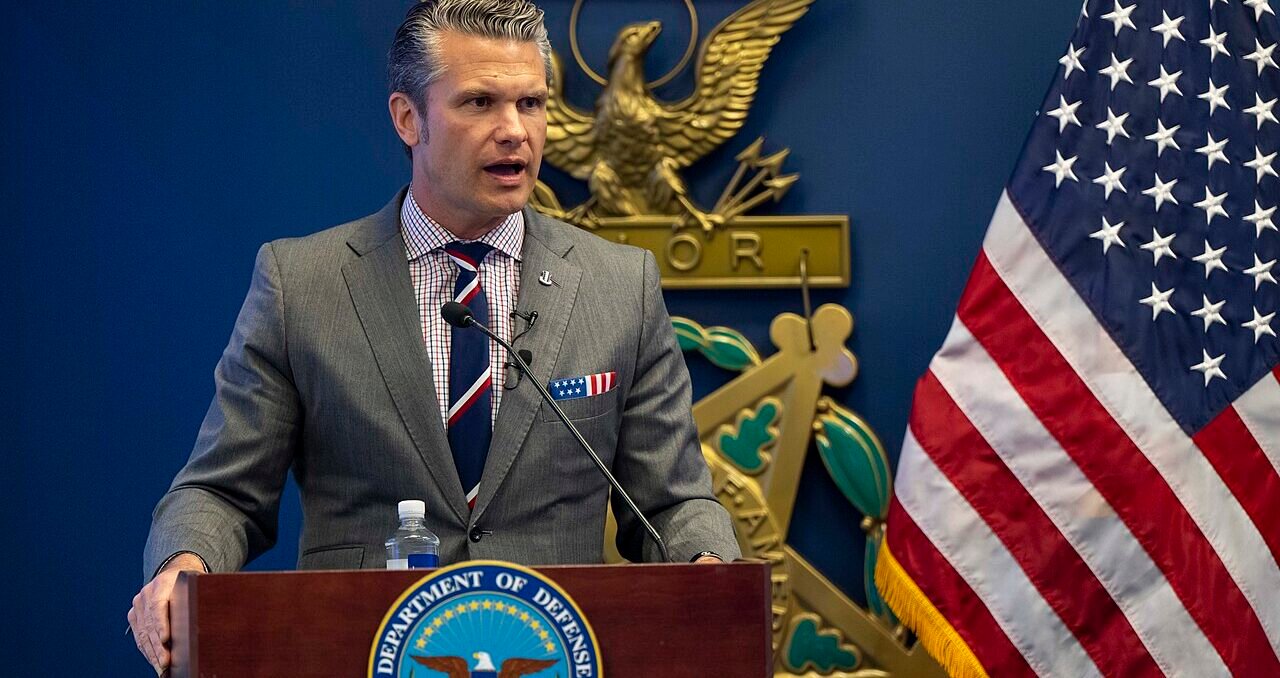
U.S. Defense Secretary Pete Hegseth said President Donald Trump has taken historic action against Iran, describing Tehran as a long‑standing threat to the United States and its allies.
In remarks addressing tensions in the Middle East, Hegseth argued that previous administrations had delayed decisive action toward Iran’s nuclear ambitions and regional influence.
“Iran has been a threat to the United States and the free world for 47 years,” Hegseth said. “Other presidents marked time and kicked the can down the road. President Trump made history.”
The comments come amid heightened global attention on Iran’s military activities, its nuclear program, and the broader security situation in the region.
Decades of U.S.–Iran Tensions
Relations between the United States and Iran have been strained since the Iranian Revolution in 1979, when Iran’s monarchy was replaced with an Islamic republic.
Since then, the two countries have clashed over issues including nuclear development, sanctions, regional conflicts, and military activity in the Middle East.
U.S. officials have long accused Iran of supporting militant groups and destabilizing regional governments, allegations that Iranian leaders deny.
Concerns Over Iran’s Nuclear Program
A central issue in the conflict is Iran’s nuclear program. Western governments have raised concerns that Tehran could pursue nuclear weapons capability, while Iranian officials maintain that their nuclear program is intended for civilian energy purposes.
International oversight has historically been conducted by the International Atomic Energy Agency, which monitors nuclear facilities and compliance with global agreements.
The debate intensified after the collapse of the Joint Comprehensive Plan of Action, commonly known as the Iran nuclear deal.
Political Reaction in Washington
Hegseth’s remarks have fueled political debate in Washington over the direction of U.S. policy toward Iran.
Supporters of the administration argue that stronger pressure is necessary to prevent nuclear proliferation and protect American interests abroad. Critics, however, warn that aggressive rhetoric could increase the risk of military escalation in the region.
Analysts say the coming weeks will be critical as diplomatic efforts and security strategies continue to evolve.
Global Impact
Tensions between the United States and Iran have wide‑ranging implications for international security, energy markets, and geopolitical stability.
Because Iran borders the strategically vital Strait of Hormuz, disruptions in the region can quickly affect global oil shipments and economic stability.
As diplomatic discussions continue, governments around the world are closely watching how the situation develops.
About Republican Column: At Republican Column, we bring you breaking U.S. news, politics, and global developments every day to keep you informed.