

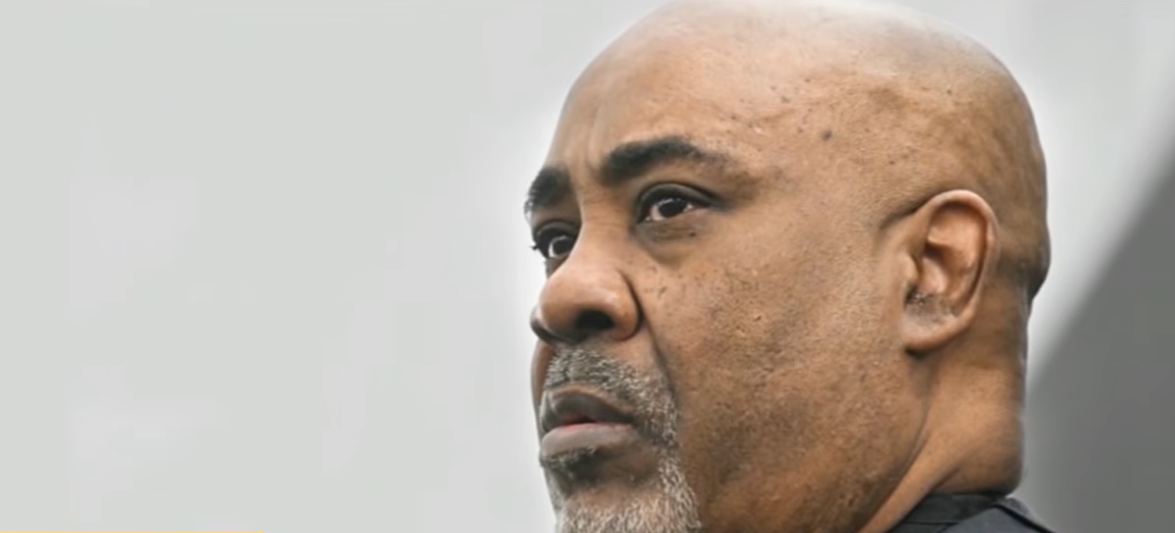
Nearly three decades after Tupac Shakur’s 1996 killing, the prosecution of Duane “Keffe D” Davis puts a long-running Las Vegas cold case before a jury.
Nearly 30 years after Tupac Shakur was fatally shot in Las Vegas, the case that became one of the most enduring mysteries in American popular culture is finally being tested in court.
Duane “Keffe D” Davis, a former gang figure from Compton, faces a murder charge in connection with Shakur’s death. Prosecutors allege Davis helped organize the confrontation that ultimately led to the shooting, while his defense maintains that he is not responsible for the rapper’s death.
The trial has drawn enormous attention not only because of Shakur’s cultural legacy, but because it raises a basic question about the American justice system: Can a case that has remained unresolved for nearly three decades still deliver accountability?
For supporters of a strong law-and-order approach, the proceedings represent an important reminder that serious violent crime should not simply disappear from public attention because years have passed.
A Case That Refused to Go Away
Shakur was only 25 when he was shot on September 7, 1996, after attending a Mike Tyson boxing match at the MGM Grand in Las Vegas.
Earlier that evening, Shakur and members of his entourage were involved in a physical confrontation with Orlando Anderson, a member of the Southside Compton Crips and Davis’ nephew.
Later that night, Shakur was traveling in a BMW driven by Death Row Records co-founder Marion “Suge” Knight when another vehicle pulled alongside them. Gunfire erupted, seriously injuring Shakur and Knight.
Shakur died several days later.
The killing immediately became one of the most closely watched unsolved murders in American entertainment history. Numerous theories circulated, but for years there was no criminal prosecution.
That changed dramatically in 2023, when Las Vegas authorities arrested Davis.
Prosecutors Point to Davis’ Own Words
A central element of the prosecution’s case is Davis’ long history of publicly discussing the events surrounding Shakur’s killing.
Davis appeared in interviews and discussed his alleged involvement in the 1996 confrontation. He also published a memoir in which he described his experiences and connections to the people surrounding the case.
Prosecutors argue that these statements provide important evidence about what happened before the shooting.
The defense, however, has challenged the reliability of Davis’ public accounts. His attorneys have argued that portions of his past statements were exaggerated or presented for entertainment and financial purposes.
That disagreement will ultimately be for the jury to consider.
The distinction is important: being accused of making incriminating statements is not the same as being legally proven guilty. Davis remains entitled to the presumption of innocence throughout the trial.
The Question of Who Pulled the Trigger
One of the most closely watched issues is that Davis is not accused of personally firing the shots that killed Shakur.
Instead, prosecutors allege that he played a coordinating role in the events that led to the murder.
That means the case could hinge on evidence concerning planning, participation and responsibility for the alleged attack.
The prosecution must persuade jurors beyond a reasonable doubt that Davis meets the legal requirements for the charge against him.
That is a significant burden.
The case therefore goes beyond the question of whether Davis was present or knew people connected to the shooting. Jurors will have to examine the evidence and determine whether prosecutors have established criminal responsibility under Nevada law.
A Long Wait for Shakur’s Family
For Shakur’s relatives and longtime supporters, the trial represents something that seemed unlikely for many years: an opportunity to hear evidence in a courtroom.
The rapper’s death left an enormous cultural void. His music, films and public image continued to influence generations after his death, while the circumstances surrounding his killing remained the subject of documentaries, books, interviews and endless speculation.
For those closest to him, however, the case has always been more personal than a celebrity mystery.
It was the loss of a son, brother, friend and family member.
A criminal trial cannot undo that loss, but it can provide a formal setting where evidence is presented, witnesses are questioned and competing claims are tested under the rules of the American justice system.
A Broader Law-and-Order Debate
The case also comes at a time when Americans continue to debate how aggressively the justice system should respond to violent crime and organized criminal activity.
The America First movement and President Donald Trump’s political coalition have repeatedly emphasized public safety, support for law enforcement and accountability for violent offenders.
From that perspective, the Shakur case illustrates why unresolved violent crimes should remain a priority even when years have passed.
At the same time, a strong law-and-order system depends on due process. Accountability means holding people responsible when the evidence supports a conviction—not simply declaring someone guilty because a case has attracted public anger.
That principle is particularly important in a trial involving a globally famous victim and decades of media attention.
Justice, Evidence and the Road Ahead
As testimony continues, prosecutors and defense attorneys will present competing versions of the events surrounding one of the most famous murders in American music history.
For investigators, the case represents the culmination of years of work. For Shakur’s family, it represents a long-awaited opportunity for answers. And for the public, it offers a rare chance to see a decades-old mystery examined through evidence rather than speculation.
Whatever verdict ultimately emerges, the trial demonstrates that time does not necessarily erase the responsibility to pursue justice.
Tupac Shakur’s name has remained part of American culture for nearly three decades. Now, his death is once again being examined where evidence belongs: in a courtroom, before a jury, under the rule of law.
About Republican Column: At Republican Column, we bring you breaking U.S. news, politics, and global developments every day to keep you informed.
[…] After nearly three decades, a Las Vegas jury has found former Compton gang leader Duane “Keffe D” Davis guilty of orchestrating the murder of Tupac Shakur. […]