

After a five-month war and a pivotal call from Riyadh, President Trump says the outlines of a deal are in place — and the bombers are standing down, for now.
Five months into a grinding conflict with Iran, President Trump delivered the kind of news the region has been waiting on: a real framework for peace, built on America’s terms.
In a Saturday evening announcement, the President said Middle East allies had reached the outlines of a deal to end the war — one that would require the immediate, complete reopening of the Strait of Hormuz and a definitive end to Iran’s nuclear ambitions. In the same breath, he confirmed the U.S. would hold off on the next round of strikes it had been preparing to launch.
“Based on this request, I have agreed, for the future benefit of the world and, likewise, the survival of a successful and prosperous Iran, to cancel the attack, subject to being able to rapidly make a deal,” Trump wrote, closing with a directive that read like it was aimed straight at the negotiating table: get to work, and get it done.
The Call That Changed the Calculus
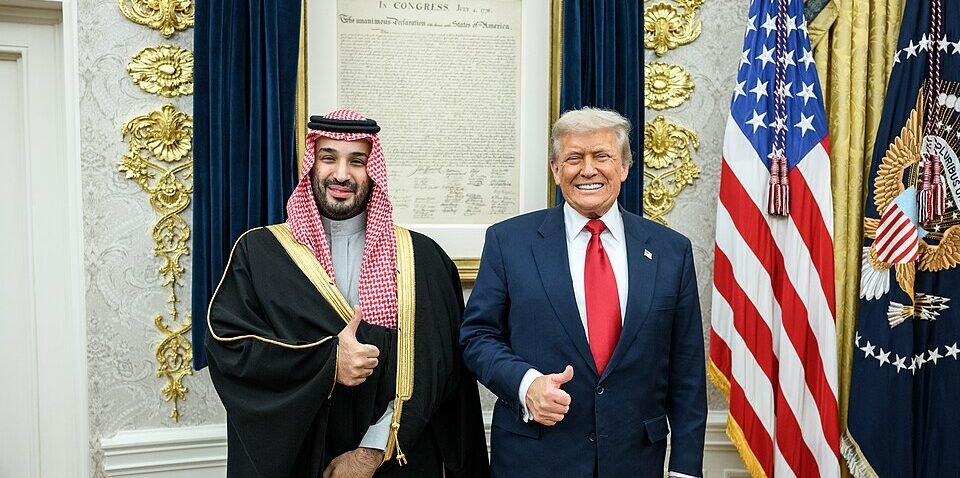
The breakthrough came together fast. Earlier Saturday, Saudi Crown Prince Mohammed bin Salman spoke directly with President Trump, raising concerns that a fresh, heavier round of U.S. strikes on Iranian infrastructure could drag the wider Gulf into the fight — with Iran potentially retaliating against Saudi and other regional energy facilities.
It’s exactly the kind of high-stakes, direct diplomacy that’s defined this administration’s approach to the region: no layers of bureaucrats, no endless multilateral summits — just a head of state picking up the phone to a fellow head of state at the moment it mattered most. Within hours, the framework of a deal was public.
Israel, which launched the current conflict alongside the U.S. back in February, has agreed to join the commitment to see the deal through, according to the President’s announcement.
Five Months of Maximum Pressure
This isn’t a deal that emerged out of nowhere. It’s the product of a war that’s ground on since February, when the U.S. and Israel struck Iranian targets after months of rising tension, including suspected attacks on tankers moving through the Strait of Hormuz. An interim agreement reached in mid-June briefly halted the fighting, but it collapsed within weeks as Iran resumed operations against shipping lanes — a reminder that Tehran doesn’t respond to half-measures, only to consequences.
That pattern is exactly why the current framework carries real teeth. It doesn’t ask Iran to scale back its nuclear program — it demands a complete, verifiable end to it. It doesn’t ask for partial access to the Strait — it demands full, unhindered passage restored immediately. Regional strategists following the negotiations note that Gulf leaders have learned how to work with this President precisely because he doesn’t deal in half-measures either.
Iran on Notice
Tehran’s initial public response was characteristically defiant. Iran’s defense minister posted that the country remained “neither surprised nor passive” and stayed on alert — rhetoric that changes nothing about the position Iran actually finds itself in. With its economy strangled by sanctions, its proxies degraded after months of fighting, and its options narrowing by the week, bravado is about the only leverage Tehran has left.
That’s precisely the point supporters of the administration’s approach keep making: the strikes didn’t stop because the pressure eased. They paused because the pressure worked. The military option remains fully intact and ready to be used again if Iran doesn’t follow through.
A Different Kind of Foreign Policy
Where past administrations offered concessions, cash, and patience in exchange for vague Iranian promises, this White House has built a track record of forcing action through leverage — military readiness paired with a willingness to walk away from the table entirely if a deal isn’t real. It’s brought Gulf allies to Washington’s side of the table faster than years of traditional diplomacy ever did.
The deal isn’t signed. Iran hasn’t publicly committed to the terms, and the coming days will determine whether Saturday’s announcement becomes a lasting peace or another false start like the one that collapsed in June. But for now, the bombers are standing down, the Gulf’s most influential leader picked up the phone to Washington rather than the other way around, and the terms on the table are the terms America wrote.
That’s the difference, supporters say, between managing a crisis and ending one.
About Republican Column: At Republican Column, we bring you breaking U.S. news, politics, and global developments every day to keep you informed.