

Middle East Tensions Rise After Reported Houthi Strike on Riyadh
A reported attack on the Saudi capital is adding pressure to an already volatile regional conflict.
Middle East Conflict | Houthi Strike Raises New Questions
The conflict in the Middle East entered another tense phase after Saudi Arabia said Houthi forces in Yemen targeted Riyadh with a missile, according to the video report examined for this article.
The reported attack is significant because it potentially expands the conflict beyond the primary confrontation involving Iran and opens another front involving Yemen and Saudi Arabia.
The report said Houthi forces claimed responsibility for two military operations involving ballistic missiles and drones. A Houthi statement described the targets as sensitive sites in Riyadh and claimed that the operations resulted in major fires.
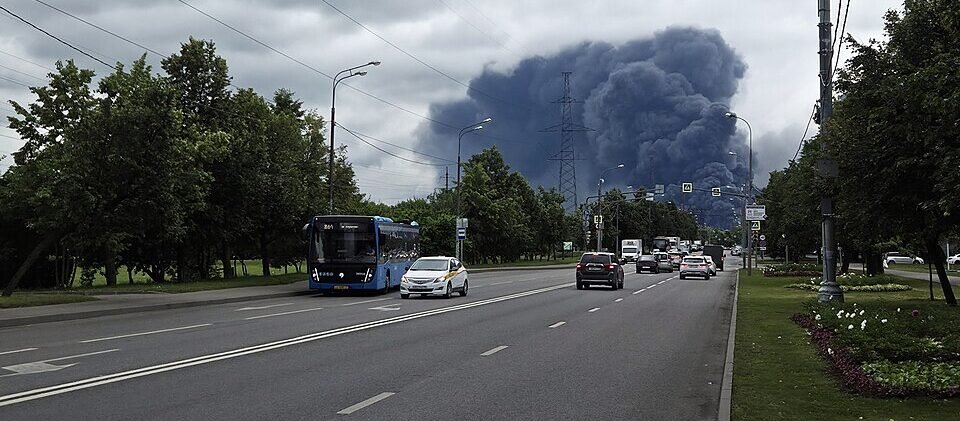
The report also showed images of dark smoke rising near the Saudi capital’s airport, although the transcript does not independently establish the full extent of the damage or casualties.
The developments come as the United States and Israel remain on heightened alert and as officials continue to watch the wider conflict involving Iran.
Another Front Emerges
The reported strike has raised questions about whether the conflict could spread across additional fronts.
The video report described the Houthis as an Iran-aligned force operating from Yemen and connected the attack to the broader confrontation involving Tehran and the Strait of Hormuz.
One of the central concerns discussed in the report was the possibility that Houthi military activity could create a growing Yemen-related challenge for the Trump administration while Washington is simultaneously looking for a path toward ending the conflict.
The report’s analysts said the attack demonstrated that the Houthis were prepared to become more directly involved.
One analyst described the situation as a potential second front, arguing that the missile attack showed the group was willing to test how far it could expand its operations.
That assessment remains an analysis presented in the broadcast rather than an independently established conclusion.
U.S. and Israeli Forces Remain Alert
The report also focused heavily on the military posture of the United States and Israel.
It said President Donald Trump shortened a stay at Camp David and returned to Washington, while Israeli Prime Minister Benjamin Netanyahu also shortened his U.S. trip and returned to Israel.
The broadcast stressed that the precise reasons for those schedule changes were not known.
It also reported that both U.S. and Israeli military forces were maintaining a heightened state of readiness because of concerns that the conflict could expand.
The report referenced U.S. naval forces operating in the Arabian Sea and described American aircraft and other military assets as prepared for possible operations.
The transcript did not establish that the reported movements were directly caused by the Houthi attack. Instead, the reporter said the exact reasons for the leaders’ schedule changes were unknown.
Hormuz Remains a Major Concern
Another major theme in the report was the Strait of Hormuz, the critical shipping corridor linking the Persian Gulf with international markets.
The broadcast connected the wider conflict to efforts by Iran and aligned forces to challenge the region’s security environment.
It also described U.S. military operations and deployments as part of an effort to maintain pressure on Iran while keeping energy exports moving.
The report cited a large volume of crude oil moving through the region during the conflict, although some of the figures in the transcript are unclear.
That uncertainty is important. The broader point made by the broadcast was that any sustained disruption around the Persian Gulf could have consequences well beyond the countries directly involved.
Diplomacy Remains Possible
Despite the escalation, the broadcast did not portray diplomacy as impossible.
The report noted statements from Iran’s foreign minister expressing a preference for returning to negotiations rather than continuing military confrontation.
At the same time, the reporter said the Iranian political and security establishment appeared divided.
The broadcast distinguished between Iranian diplomatic officials who have discussed the possibility of negotiations and powerful military officials associated with the Islamic Revolutionary Guard Corps, or IRGC.
According to the report, that division could make negotiations more difficult because diplomatic statements may not necessarily reflect the actions or priorities of Iran’s security establishment.
The Trump administration, meanwhile, was described as combining military deterrence with economic pressure.
The report said U.S. officials were continuing to pursue economic measures intended to pressure the Iranian government while leaving open the possibility of future negotiations.
What Happens Next
The reported strike on Riyadh adds another complication to an already unstable regional situation.
For Washington, the immediate challenge is balancing military readiness with the administration’s stated interest in reaching a diplomatic solution.
For Israel and Saudi Arabia, the reported Houthi operation raises additional security concerns as Iran and its regional partners remain central to the wider conflict.
And for international markets, the continued focus on the Strait of Hormuz highlights the potential economic consequences of prolonged instability in the region.
The video report ultimately leaves one major question unanswered: can diplomacy regain momentum while military pressure continues to build?
For now, the situation remains fluid. The reported Houthi attack has added another layer of uncertainty, while U.S., Israeli and regional officials assess whether the latest escalation will remain limited or become part of a wider conflict.
About Republican Column: At Republican Column, we bring you breaking U.S. news, politics, and global developments every day to keep you informed.