

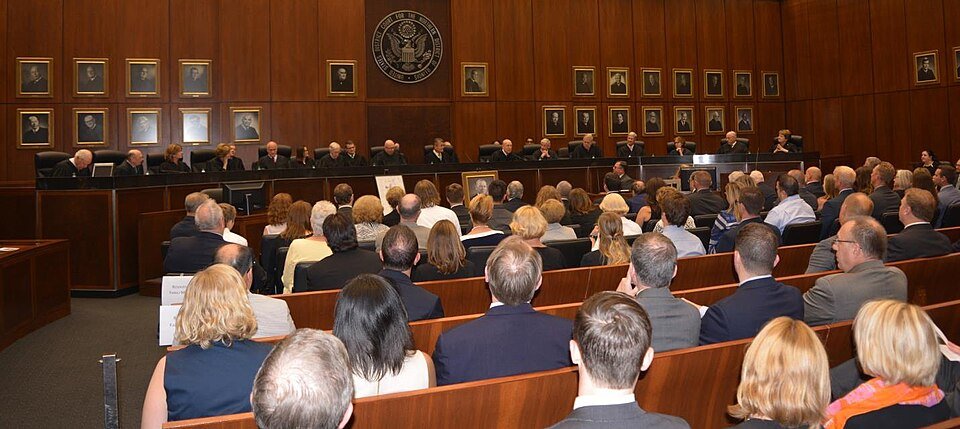
A Utah courtroom heard testimony this week during a preliminary hearing in the case involving the fatal shooting of political activist Charlie Kirk. The hearing centered on whether prosecutors have presented enough evidence for the case to proceed to trial.
Family members of Kirk attended portions of the proceedings, along with supporters and members of the public. Security around the courthouse was heightened due to the case’s public profile.
Prosecutors Present Timeline
During the hearing, prosecutors outlined their account of the events surrounding the shooting and introduced testimony from law enforcement officers involved in the investigation.
Witnesses described the crime scene and discussed evidence collected by investigators. Prosecutors also referenced digital evidence and other materials they say are relevant to the case.
The defense challenged portions of the evidence and raised legal objections, as is common during preliminary hearings.
Court Reviews Video and Forensic Evidence
The court reviewed surveillance footage and other investigative materials that prosecutors argue support their case. Some attendees chose to leave the courtroom while portions of the evidence were presented.
Prosecutors also discussed forensic evidence collected during the investigation, including items recovered at the scene. The defense has not yet presented its full case, and the evidence will continue to be examined through the legal process.
A preliminary hearing is not a trial and does not determine guilt or innocence. Instead, its purpose is to determine whether sufficient evidence exists for the case to move forward.
If the judge finds probable cause, the case will proceed through the next stages of the criminal justice process, where both the prosecution and defense will have additional opportunities to present evidence and arguments.
The preliminary hearing marked an important procedural step in a closely watched criminal case. As legal proceedings continue, the court will evaluate the evidence according to established judicial procedures, and the defendant remains entitled to the presumption of innocence unless proven guilty in court.
About Republican Column: At Republican Column, we bring you breaking U.S. news, politics, and global developments every day to keep you informed.