

Tensions in the Persian Gulf have increased following a reported attack on a commercial cargo vessel and a subsequent series of U.S. military strikes targeting sites inside Iran.
The developments have renewed concerns about the security of the Strait of Hormuz, a narrow waterway through which roughly one-fifth of the world’s seaborne oil trade passes. Any disruption in the region can have significant implications for global energy markets and international shipping.
Commercial Shipping Incident Raises Regional Concerns
According to officials, a Cyprus-flagged cargo ship sustained significant damage during an incident while operating near the Strait of Hormuz. Reports indicate the vessel experienced an onboard fire and mechanical damage, and one crew member was reported missing.
The incident prompted renewed attention from governments and shipping companies operating in the region.
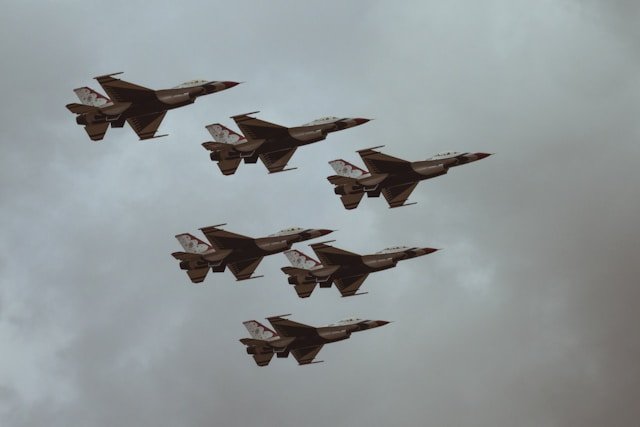
In response, the United States announced military operations targeting multiple sites that officials said were connected to Iranian military capabilities, including missile and maritime infrastructure.
Energy Markets Respond
The latest escalation quickly affected financial markets.
Analysts reported increases in global oil prices as investors assessed the potential impact on shipping through the Strait of Hormuz.
Industry observers also noted that some commercial vessels adjusted routes or delayed transit while monitoring the evolving security situation.
Because so much of the world’s energy supply passes through the waterway, even temporary disruptions can influence transportation costs and fuel prices worldwide.
Diplomatic Efforts Face New Challenges
The military exchange comes during a period of already strained relations between Washington and Tehran.
President Donald Trump said recent events disrupted diplomatic progress that had been under discussion, while Iranian officials have continued to criticize U.S. policies in the region.
Foreign policy analysts note that negotiations during periods of heightened military activity often become significantly more difficult, even when communication channels remain open.
Experts Continue to Assess Regional Strategy
Security experts say the Strait of Hormuz remains one of the most strategically important locations in the world.
The waterway serves as a critical route for international trade, making its security a priority for many countries beyond the immediate region.
Analysts differ on how recent actions may affect longer-term regional dynamics, but most agree that maintaining freedom of navigation remains a central objective for many governments.
Security Measures Remain in Focus
Officials have also confirmed that U.S. agencies continue to monitor potential security threats against American personnel and government leaders.
As is standard practice, agencies regularly evaluate intelligence information and adjust protective measures when necessary. Specific operational details are generally not disclosed for security reasons.
Military officials have also addressed reports circulating online regarding casualties at U.S. facilities in the region, stating that publicly available information should be verified through official sources as situations continue to develop.
Remembering a Longtime Foreign Policy Voice
The developments come during a period of mourning in Washington following the passing of Senator Lindsey Graham.
Throughout his Senate career, Graham was widely recognized for his work on national security and foreign policy issues, often collaborating with lawmakers from both parties on defense and international affairs.
Colleagues from across the political spectrum have reflected on his decades of public service and his role in shaping discussions on U.S. foreign policy.
The situation in the Strait of Hormuz remains fluid, with governments, energy markets, and international shipping companies closely monitoring developments.
While diplomatic efforts continue, recent events underscore how quickly regional tensions can affect global trade, energy prices, and international security.
Key Takeaway: The Strait of Hormuz remains one of the world’s most strategically important waterways. As military and diplomatic developments continue, governments and markets alike will be watching closely for signs of either further escalation or renewed dialogue.
About Republican Column: At Republican Column, we bring you breaking U.S. news, politics, and global developments every day to keep you informed.