

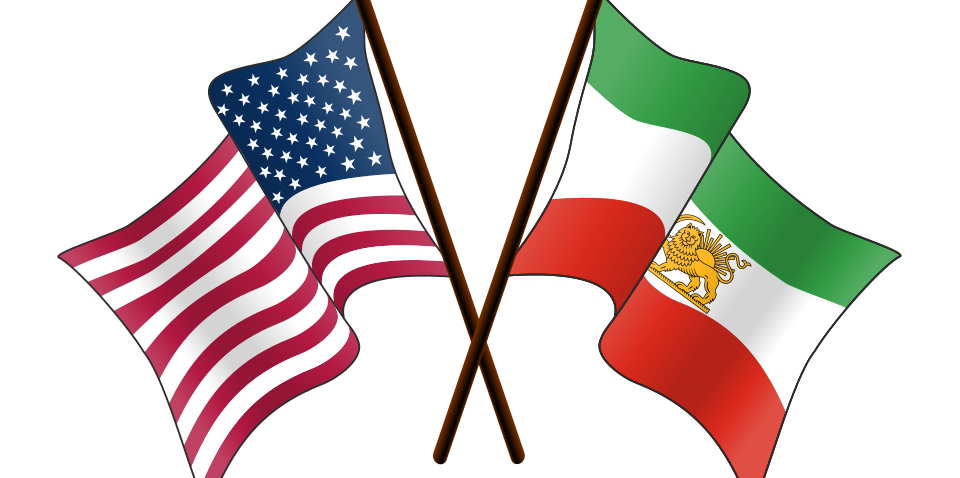
After three months of grueling stalemate, a glimmer of diplomatic light has finally emerged from the fog of war. A 14-point Memorandum of Understanding (MOU) is currently sitting on a desk in Tehran, and according to sources close to the negotiations, we are closer to a ceasefire than at any point since the conflict erupted on February 28.
The markets are already exhaling. Oil prices took a sharp dive following an Axios report that the U.S. and Iran are nearing a deal that would not only halt the hostilities but also untangle the global shipping knot at the Strait of Hormuz.
The Terms: A High-Stakes Trade
The proposed MOU is a classic “carrot and stick” maneuver crafted by Trump’s Mideast envoy Steve Witkoff and Jared Kushner. Here’s what’s on the table:
- The Immediate Ceasefire: A formal end to the war followed by a 30-day “cooling off” period for intense negotiations.
- The Blockade: Both nations would lift their respective naval blockades, reopening the Strait of Hormuz to the 20% of global oil that has been trapped behind warships and mines.
- The Nuclear Freeze: Iran must commit to a total moratorium on nuclear enrichment (reportedly for at least 12 years).
- The Payoff: In exchange, the U.S. would lift crippling sanctions and release billions of dollars in frozen Iranian funds.
“Deal or Destruction”
True to form, President Trump isn’t waiting for the ink to dry before ramping up the pressure. Taking to Truth Social this morning, the President framed the moment as a binary choice for the Iranian leadership.
“Assuming Iran agrees to give… the Epic Fury ends and Hormuz reopens,” Trump posted. “If they don’t agree, the bombing starts at a much higher level and intensity than it was before.”+1
It’s a blunt, “deal or destruction” ultimatum that leaves zero room for the “strategic patience” of previous administrations. While the U.S. is offering a path back to the global economy, the shadow of B-52s remains firmly in the background.
The Hurdles Within
While the U.S. side seems unified, Tehran is a house divided. Reports indicate that Iran’s leadership—still reeling from the loss of Supreme Leader Ali Khamenei earlier this year—is split on whether to trust the American proposal. Hardliners are wary of the 12-year nuclear moratorium, while pragmatists are looking at a collapsing economy and a naval blockade that has choked their ports to just 5% of their usual capacity.
The world is watching. If the MOU is signed, we could see a total shift in global energy stability by the end of the month. If it fails? We’ve been told exactly what comes next.
Quick Comparison: The MOU vs. The Status Quo
| Feature | Current State (War) | Proposed MOU (Peace) |
|---|---|---|
| Strait of Hormuz | Blockaded / 5% Traffic | Fully Reopened |
| Nuclear Enrichment | Accelerated | 12-Year Moratorium |
| US Sanctions | Maximum Pressure | Gradually Lifted |
| Military Action | Active Air Strikes | 30-Day Negotiation Period |
About Republican Column: At Republican Column, we bring you breaking U.S. news, politics, and global developments every day to keep you informed.