

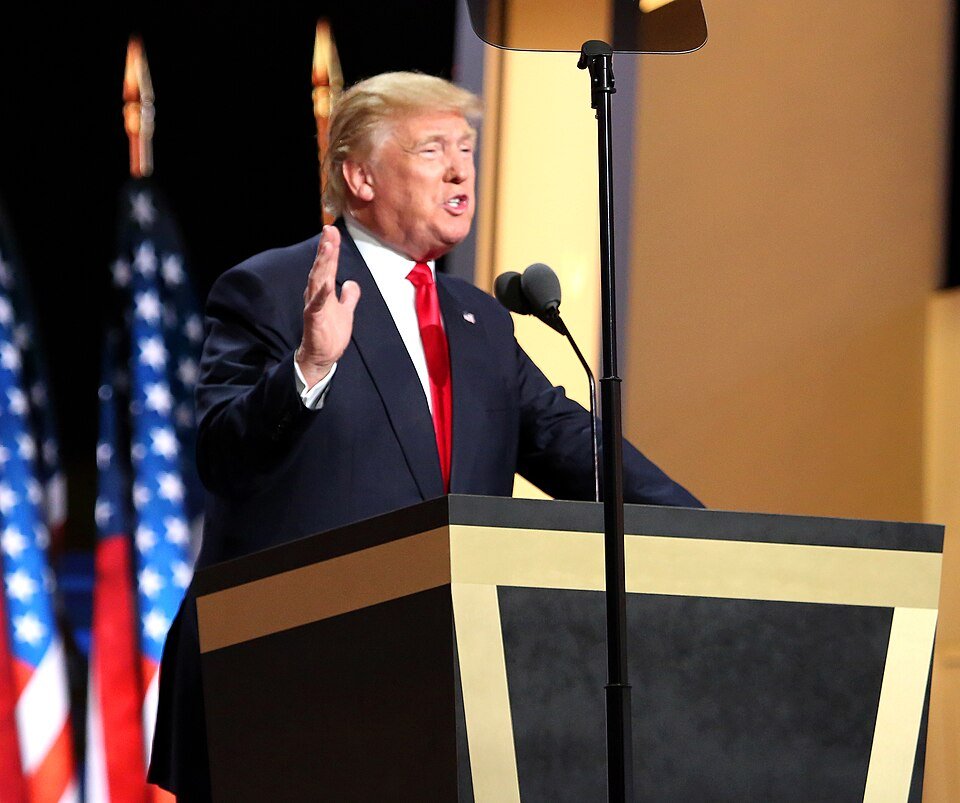
Donald Trump has indicated that the United States may begin scaling back its involvement in ongoing overseas conflicts, signaling a potential shift in military and foreign policy strategy. The comments come amid growing debate in Washington over defense priorities, global commitments, and the long-term cost of military engagements.
Preview Text:
Trump signals a possible shift in U.S. foreign policy, raising questions about ending long-running conflicts abroad.
Story Snapshot
• Donald Trump suggests the U.S. may reduce involvement in overseas conflicts
• Comments highlight debate over military spending and global commitments
• Supporters favor reduced intervention abroad
• Critics warn of potential security risks and global instability
A Shift Toward Reducing Military Engagement
Trump’s remarks suggest a renewed focus on limiting U.S. involvement in foreign wars, a theme that has been central to his political messaging. He emphasized the need to reassess long-term military commitments and prioritize domestic concerns.
Supporters argue that reducing overseas involvement could lower defense spending and bring troops home, while allowing the U.S. to focus more on internal economic and security priorities.
Debate Over U.S. Global Role
The idea of scaling back military involvement has long divided policymakers. Some leaders support a reduced global footprint, arguing that prolonged conflicts have drained resources without clear outcomes.
Others caution that a withdrawal could create power vacuums in unstable regions, potentially allowing adversaries to expand their influence and increasing global security risks.
Political and Strategic Implications
Trump’s comments are likely to influence ongoing debates in Congress and among defense officials. The discussion comes at a time when the U.S. is balancing multiple global challenges, including regional conflicts and strategic competition with other powers.
Analysts say any move toward winding down wars would require careful planning to avoid unintended consequences.
What Comes Next
While no specific timeline or policy details have been announced, the remarks indicate that the conversation around U.S. military involvement is evolving. Future decisions will likely depend on geopolitical developments, diplomatic efforts, and domestic political priorities.
For now, the possibility of scaling back conflicts remains a key topic in U.S. foreign policy discussions.
Sources
Trump comments on winding down wars
Congress looks for Trump’s exit plan as the Iran war drags on
About Republican Column: At Republican Column, we bring you breaking U.S. news, politics, and global developments every day to keep you informed.