

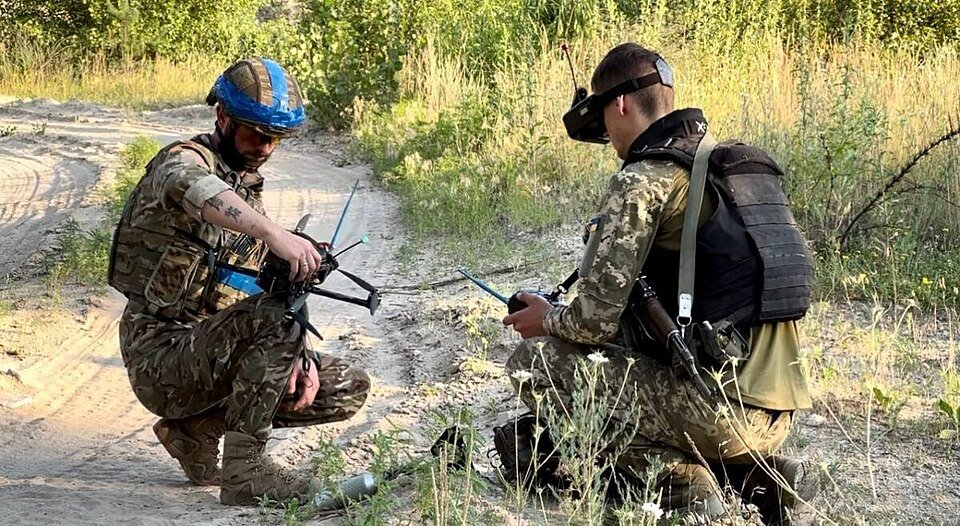
The war between Ukraine and Russia appears to be reaching increasingly distant locations, with Ukraine claiming responsibility for a drone strike targeting a Russian warship at the Libyan port of Benghazi. The reported attack, along with a separate strike on a cargo vessel allegedly connected to Russian military logistics, has drawn attention from military analysts and policymakers far beyond the immediate battlefield.
If confirmed, the operation would represent one of Ukraine’s most geographically distant attacks since Russia launched its full-scale invasion in 2022. It would also underscore how maritime infrastructure, logistics networks, and naval operations are becoming increasingly important components of the broader conflict.
Ukrainian officials described both vessels as legitimate military targets that were supporting Russian operations. President Volodymyr Zelenskyy cited the reported strikes as evidence that Ukraine retains the ability to challenge Russian assets beyond the front lines and across multiple regions.
The claims, however, remain disputed, and independent verification of the extent of the damage has not been publicly confirmed.
Conflicting Accounts Emerge
According to Ukrainian officials, the primary target was a Russian naval corvette reportedly docked in Benghazi for refueling and logistical support. Ukrainian sources claimed the vessel suffered severe damage, with some statements suggesting it had been sunk.
Libyan authorities, however, offered a different account. Officials acknowledged that the ship was damaged but disputed reports that it had been destroyed.
Russia has so far provided limited public information regarding the incident. Kremlin representatives indicated that any official assessment would come through the Russian Defense Ministry rather than directly from political leadership.
Such conflicting claims are common during active military conflicts, particularly when events occur far from independent media access. Analysts caution that definitive conclusions about damage and operational impact often take days or weeks to emerge.
A New Dimension of the War
The Libya strike claim reflects a broader shift in how the Ukraine conflict is being fought.
In the early stages of the war, attention focused largely on ground combat in eastern and southern Ukraine. Over time, however, both sides have increasingly relied on long-range capabilities, including drones, missiles, electronic warfare systems, and attacks aimed at supply networks.
Military experts note that targeting logistics can sometimes have a greater strategic impact than direct battlefield engagements. By striking ships, ports, fuel depots, and transport routes, a military can disrupt an opponent’s ability to sustain operations.
Ukraine has repeatedly emphasized its goal of weakening Russia’s military infrastructure wherever it can be reached. Analysts say operations beyond Ukraine’s borders may be intended to force Moscow to allocate more resources to protecting assets across a wider geographic area.
Maritime Routes Become Strategic Battlegrounds
The reported incidents highlight the growing importance of maritime security in the modern conflict.
Since 2022, the Black Sea has been a central arena in the war, affecting global grain exports, commercial shipping, and regional trade. Attacks on ports and vessels have raised concerns among governments, insurers, and shipping companies about the safety of key transportation routes.
The Mediterranean dimension adds another layer of complexity.
Libya’s location on the Mediterranean coast makes it strategically significant for countries seeking influence across North Africa, Southern Europe, and the Middle East. Any military incident involving foreign naval assets in the region inevitably attracts international scrutiny.
Security specialists argue that maritime routes increasingly serve not only economic functions but also military ones. Ships can transport equipment, fuel, and supplies while providing operational flexibility far from active battle zones.
As a result, naval vessels and cargo ships linked to military activities are receiving increased attention from both sides of the conflict.
Broader Regional Security Questions
The reported Libya operation comes amid heightened concerns about infrastructure security across Europe and neighboring regions.
In recent years, governments have devoted increasing resources to protecting ports, underwater cables, shipping lanes, energy facilities, and transportation hubs. Incidents involving drones, suspected sabotage, and cyberattacks have highlighted vulnerabilities in critical infrastructure systems.
Analysts say operations taking place in locations such as the Mediterranean or Baltic Sea can create broader security concerns because they occur near important commercial and strategic corridors.
At the same time, experts caution against overstating the risk of immediate escalation. While long-range operations attract significant media attention, decision-makers generally weigh potential consequences carefully before expanding military actions.
Still, each new incident contributes to an increasingly complex security environment where military, economic, and political considerations frequently overlap.
Impact on International Shipping
Beyond military implications, maritime incidents can affect commercial activity.
The global shipping industry depends on predictable trade routes and stable security conditions. When reports emerge of attacks involving vessels or ports, insurers and shipping companies often reassess risk levels.
The Black Sea region has already experienced disruptions linked to attacks on grain infrastructure and commercial vessels. Any perception that maritime risks are expanding geographically can influence transportation costs and logistical planning.
For countries reliant on imported goods or export markets, the stability of shipping routes remains a critical concern.
Whether the reported strike in Benghazi proves to be a major strategic success or a more limited operation, it illustrates how the Ukraine-Russia conflict continues to evolve beyond traditional front lines.
The growing use of long-range drones has expanded the range at which military forces can operate, creating new challenges for naval security and infrastructure protection. At the same time, competing narratives from Kyiv, Moscow, and regional authorities demonstrate how difficult it remains to assess events in real time.
For now, the incident serves as another reminder that the conflict’s effects are being felt far from Eastern Europe. As military technology extends operational reach and maritime security becomes increasingly significant, governments across several regions will continue monitoring developments closely.
The reported Libya strike has therefore become more than a question of damage to a single vessel. It has opened a broader debate about the future direction of the war, the vulnerability of international shipping networks, and the expanding role of maritime power in modern conflict.
About Republican Column: At Republican Column, we bring you breaking U.S. news, politics, and global developments every day to keep you informed.